What Is a Landlord? The Real Job Behind the Title
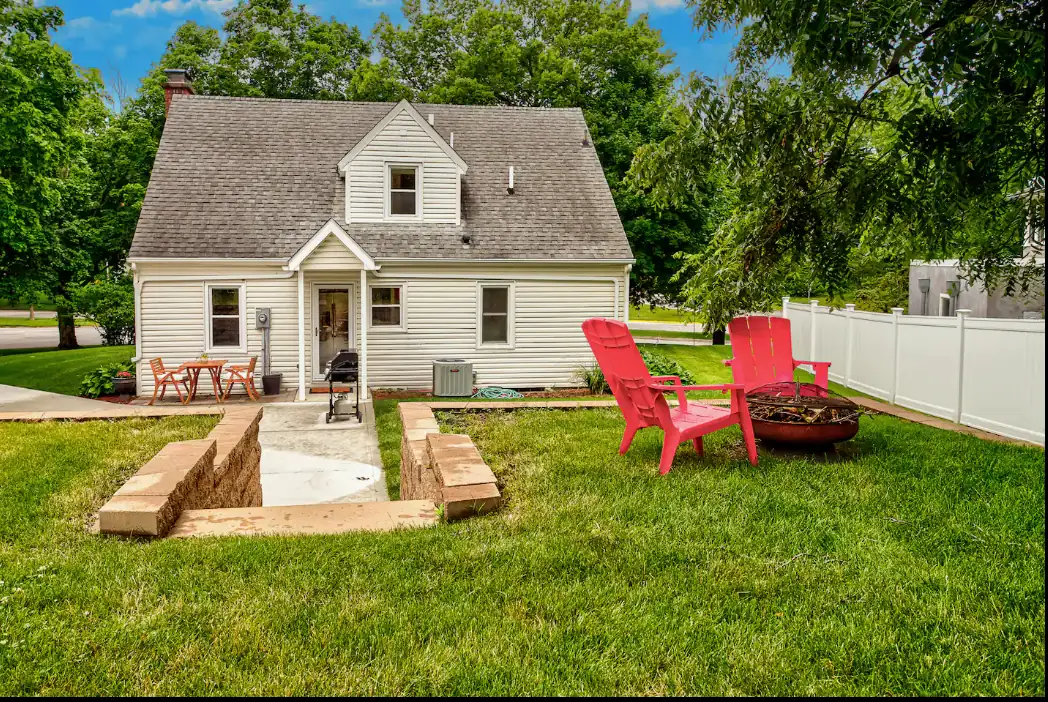
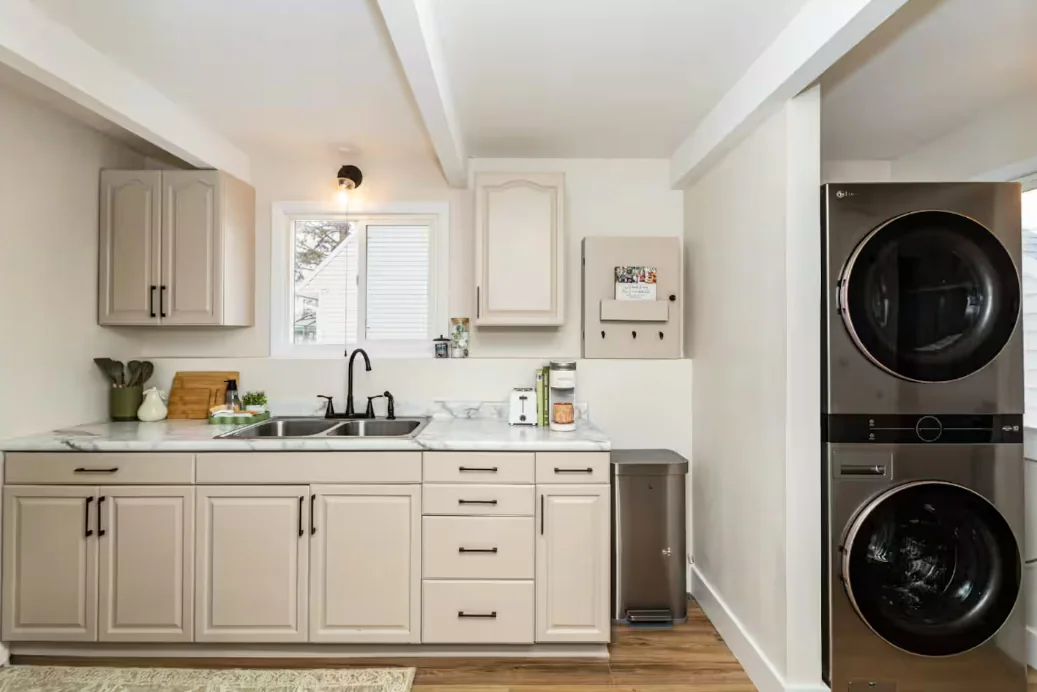
You're standing at a backyard cookout holding a paper plate that's structurally given up, and someone asks what you do. You mention you rent out your old house. And there it is — the pause, the eyebrow, the word: "Oh, so you're a landlord." Said the way people say "auditor." Suddenly you're wearing a top hat and a pocket watch in this person's imagination, twirling something. Meanwhile your actual phone is face-down on the picnic table with a text on it that says the dryer is making a noise. So: what is a landlord, really? It's the person who owns the property, rents it to someone else, and is on the hook when the dryer makes a noise. There's no top hat. There's a dryer.
The plain answer: a landlord is the legal owner of a property who lets another party occupy it in exchange for rent. That's the definition. The job, though, is a different animal — keeping the place livable, collecting the money, fixing what breaks, following the rules, and dealing with human beings who live in your building.
The 10-second answer
A landlord is the legal owner of a property who rents it out to a tenant for money. In practice the role means keeping the place safe and habitable, collecting rent, handling repairs and maintenance, following whatever local rules apply, and managing the relationship with the people living there. It's a small business, not a title. You own it; someone has to run it — and that someone doesn't have to be you.
Still reading? Good. Because the definition takes one sentence and the job takes the other 1,200 words, and the gap between those two is where most new owners get surprised.
What is a landlord, in the boring legal sense?
Strip the cartoon off and it's simple. You hold title to a property. Someone else pays you to live in it. The agreement between you is a lease, and that lease is the spine of the whole relationship — what they pay, when, for how long, and what each of you is responsible for.
The other party is the tenant. You're the landlord. That's the whole vocabulary lesson.
One honest caveat before we go further: the specific rules — notice periods, deposits, entry, eviction, all of it — vary a lot by state and by city, and they change. Iowa isn't California. Ames isn't Des Moines, necessarily. Nothing here is legal advice. Read your local landlord-tenant law and talk to an attorney before you sign anything or make a move that matters. I run properties for a living; I'm a founder and operator, not your lawyer.
What a landlord actually does all week
Here's the part the definition leaves out. The job is a recurring list that never quite empties:
- Keep the place habitable. Heat that heats, water that runs, working smoke and CO detectors, a roof that stays outside. This is the floor, not a favor.
- Collect the rent. Most months it lands on time. The months it doesn't are the ones that teach you things about yourself.
- Handle repairs and maintenance. Reactive (the dryer) and proactive (the furnace filter nobody's changed since the Obama administration).
- Find and screen tenants. Marketing, showings, applications, references. An empty unit costs you every single day it's empty.
- Follow the rules. Your lease, your local ordinances, rental permits and inspections where they apply, fair-housing obligations, and the tax side. Check what your city requires — it's rarely nothing.
- Deal with people. The upstairs-downstairs noise thing. The dog that appeared. The text that arrives at a time no reasonable person texts.
- Run the books. Income, expenses, receipts, and knowing whether this thing actually made money or just moved money around.
None of that is hard on its own. It's the collision that gets you — the inspection, the showing, and the leaking water line all landing on a Thursday you'd already promised to your actual job. That's the real job description. Not top hat. Thursday.
Nobody dreams about being a landlord. They dream about the rent showing up. The landlord part is just the toll you pay for the rent part — and the whole reason management companies exist is that the toll is negotiable.
Landlord vs. short-term rental host vs. owner with a manager
Now the distinction that actually matters if you're deciding what to do with a house. These three sound similar. They are wildly different jobs.
A landlord in the traditional sense rents long-term. One tenant, a lease measured in months or years, unfurnished, low turnover. Steady, lower-touch, lower ceiling. You might not hear from a good tenant for six weeks.
A short-term rental host isn't really a landlord at all — they're running a small hospitality business. Guests, not tenants. Nights, not years. You furnish it, stock it, clean it between every stay, price it against demand, answer messages fast, and live and die by a star rating. Here in Ames, a house goes from quiet to booked-solid the second the Cyclones have a home game — that's real upside, and it's real work.
An owner with a manager keeps the asset and hands off the job. You still own it. You still get the income. You just aren't the one meeting the appliance guy at 8am.
| Landlord (long-term) | STR host | Owner with a manager | |
|---|---|---|---|
| Who's in the house | A tenant, on a lease | Guests, every few nights | Either — depends on the play |
| Turnover | Once a year or less | Constant | Handled for you |
| Furnishing | Tenant brings it | You furnish and restock it all | Set up once, maintained |
| Income shape | Steady, predictable | Higher ceiling, more variable | Same upside, minus a fee |
| Your weekends | Mostly yours | Not really | Yours |
| Honestly passive? | Semi. Until it isn't. | No. | Closest thing there is. |
If you're still weighing which lane the house belongs in, we walked through that decision start to finish in our guide to how to rent out a house.
So which one is actually passive?
Let's be honest about the word, because the internet has beaten it senseless.
Long-term landlording is semi-passive. Quiet stretches, then a month where the water heater and the move-out and the city inspection all introduce themselves at once. Short-term hosting is not passive at any point. It's a business with a front desk, and you're the front desk. Anyone selling you "passive Airbnb income" while you hold the mop is selling you a mop.
Owning with a manager is the only version where "hands-off" survives contact with reality — and only because someone else is doing every item on that list up there. The work doesn't vanish. It changes hands. That's the honest sales pitch, and it's the one we make: you own it, we run it. After five-plus years and 60-plus properties across Central Iowa — 700-plus reviews at a 4.85-star average — I can tell you the work never once disappeared. It just stopped being the owner's problem.
What that role covers day to day is spelled out in what property managers do, and if the short-term route is the one tempting you, our field guide to managing short term rentals lays out the whole operation.
The bottom line
What is a landlord? The legal owner of a property who rents it to someone else — and, in practice, the person responsible for keeping it habitable, collecting the rent, fixing what breaks, following the local rules, and handling the people. The title is free. The job isn't.
Where owners go wrong is assuming the title and the job are the same thing. They aren't. You can be the owner without being the operator, and for most people with a career and a family and a finite number of Thursdays, that's the version that actually works.
Wondering whether your house is a long-term play, a short-term play, or something in between here in Central Iowa? Grab a free estimate and we'll run the honest numbers with you before you commit to a single lease or a single throw pillow. You own it; we run it.
What Is a Landlord FAQ
What is a landlord?
A landlord is the legal owner of a property who rents it out to another party — a tenant — in exchange for rent, usually under a lease. That's the definition. The job is broader: keeping the property safe and habitable, collecting rent, handling repairs and maintenance, finding and screening tenants, following whatever rules apply where the property sits, and managing the relationship with the people living there. It's less a title than a small business.
What are a landlord's main responsibilities?
Generally speaking, the core of the role is keeping the place livable and functional — heat, water, working detectors, a sound roof — plus collecting rent, handling repairs, screening tenants, keeping the books, and staying on the right side of local requirements like rental permits and inspections. The specifics of what's legally required vary quite a bit by state and city, so check your local landlord-tenant law and talk to an attorney rather than relying on a blog post.
Is a short-term rental host the same as a landlord?
Not really. A landlord rents long-term to a tenant on a lease — unfurnished, low turnover, steady income. A short-term rental host is running a hospitality business: furnished property, guests instead of tenants, constant turnover, dynamic pricing, fast messaging, and a star rating that decides your bookings. Higher ceiling, much more work, and the rules that apply to each can be different where you are — worth checking locally before you pick a lane.
Is being a landlord passive income?
Semi, on a good stretch. Long-term landlording is quiet for weeks at a time, then a move-out, a repair, and an inspection all land in the same month. Short-term hosting isn't passive at all — it's a business with a front desk, and you're the front desk. The only genuinely hands-off version is owning the property and hiring someone else to run the operations, which trades a fee for your time back. The work doesn't disappear either way; it just changes hands.