
What Do Property Managers Do? An Owner's Inside Look
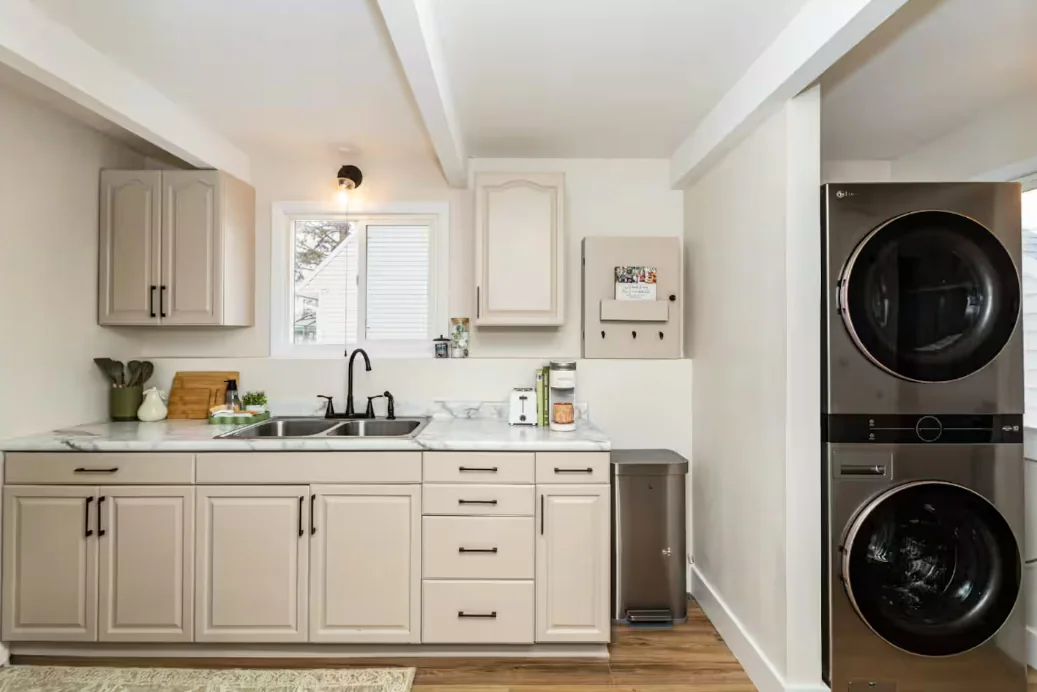
It's 6am on a Sunday, the guests checked out at the dot of nowhere-near-the-stated-time, and somewhere in that house there is exactly one coffee pod left and a thermostat cranked to a setting usually reserved for greenhouses. The cleaner arrives in forty minutes. New guests arrive in six hours. Between those two facts sits a mountain of laundry, a missing bath mat, and a review that will live forever based on whether this gets handled right. That gap — the calm a guest sees versus the scramble behind it — is the honest answer to what property managers do. We live in the scramble so the owner never has to.
The short version: a good short-term-rental property manager runs the entire operation end to end — pricing, listing, guests, turnovers, maintenance, restocking, compliance, and reporting — so your job shrinks to reading a statement. A bad one goes quiet and lets the small stuff become expensive. Knowing which one you've hired is the whole ballgame.
Still reading? Good — because the difference between a manager who earns their keep and one who just forwards you problems lives entirely in the parts nobody puts on the sales page. Here's the real day-to-day.
What do property managers do all day?
Strip away the brochure and the job is a handful of recurring duties that never fully stop. On any given day a short-term-rental manager is juggling:
- Dynamic pricing — moving the nightly rate with demand, season, and local events instead of setting one number and forgetting it.
- Listing & marketing — photos, copy, and keeping calendars synced across Airbnb and Vrbo so the property actually gets seen and booked.
- Guest communication — inquiries, check-in instructions, the after-hours "how does the TV work" message, and the reviews that follow.
- Turnovers & cleaning — scheduling the crew, laundry, and a real inspection between every single stay.
- Restocking — coffee, paper goods, soap, the things that quietly run out and turn into a one-star review about a coffee pod.
- Maintenance & emergencies — the stuff that breaks, on the day it always picks, with a plumber lined up before you needed one.
- Compliance — rental permits, lodging tax, and local short-term-rental rules.
- Owner reporting — a clear monthly statement so you can see exactly how the property performed.
None of these is hard on its own. The catch is they all land at once, usually on a checkout morning, usually while the owner is at their actual job. That collision is the entire reason this reads as "work" instead of "passive income," and it's exactly the load a manager exists to absorb. We broke the operations side down further in our field guide to managing short term rentals.
Pricing and marketing: getting the property booked at the right rate
A flat nightly rate leaves money on the table every busy weekend and sits empty every slow one. The single biggest lever a manager pulls is dynamic pricing — the same discipline hotels and airlines use — paired with a listing that's actually optimized to convert lookers into bookers.
In our market the lever is events. Here in Ames, a home goes from quiet to booked-solid the second the Cyclones have a home game, and pricing flat through that weekend is just handing money back. A manager who knows the local calendar — game weekends, graduation, the Des Moines and Okoboji summer rush — prices up into demand instead of hoping. That's the difference between a property that feeds the mortgage and one that actually pays you.
You own it. We run it. You find out about the leak from us — with a photo and a fix already in motion — and the rest of the month you just read a statement.
Guests, turnovers, and the stuff that breaks
Guest communication is the whole game. Set expectations before the booking, answer fast, and stay warm, and guests forgive almost anything. After five years and 500-plus reviews at a 4.85-star average across our Central Iowa portfolio, the pattern never changes: speed and friendliness out-earn fancy amenities every time. A good manager is the one replying in minutes while the owner sleeps.
Then there's the physical side — the part you can't do from a laptop 1,500 miles away. Turnovers, restocking, and the maintenance call that picks check-in day to happen. Short-term rentals take more wear in a month than a home sees in a year, so something will break, and a manager's job is to have the cleaner, the plumber, and the handyman already on speed dial. This is where local stops being a buzzword: someone has to physically meet the appliance guy at 8am, and it isn't going to be the owner in another time zone.
Compliance and reporting: the unglamorous half
The duties nobody brags about still matter. A manager keeps your rental permit current, files the lodging tax, and stays on top of changing local short-term-rental rules so a missed form doesn't become a fine. And at the end of every month, they hand you a clear statement — revenue, occupancy, expenses, in plain numbers. Transparency is the tell. A manager who shares the figures and answers hard questions directly is one you can trust; one who's vague about money is a red flag, full stop.
A good manager vs. a bad one
Same title, very different outcomes. The cheap "I'll just message guests for you" helper and a true full-service operator are not the same animal, and the gap shows up in your numbers and your weekends.
| A bad manager | A good manager | |
|---|---|---|
| Pricing | One flat rate, set and forgotten | Dynamic pricing tuned to local demand |
| Guests | Slow, generic replies | Fast, warm, on-brand communication |
| Turnovers | Inconsistent, no inspection | Reliable crew, checked every stay |
| Problems | You hear about it from the guest | You hear about it from them, already fixed |
| Reporting | Vague or silent | Clear monthly statement |
If you want the longer checklist of green flags and red flags, we wrote a whole piece on what to expect from a property management company before you hand over the keys.
The bottom line
So, what do property managers do? Everything between the booking and the statement — pricing, marketing, guests, turnovers, restocking, maintenance, compliance, and reporting — so the owner's role shrinks to owner, not operator. A great one runs all of it under one roof, stands behind the numbers, and lives in the scramble so you don't. Anything less and you're paying for a manager while still doing the managing.
Curious what we'd handle for your property across Ames and Central Iowa? Get a free estimate and we'll walk you through exactly what we'd run, line by line. You own it; we run it.
Sam Brant
Sam has spent 5+ years managing 60+ short-term rentals across Central Iowa on both Airbnb and VRBO — 500+ guest reviews at a 4.85★ average — helping owners and investors grow smarter, not harder. More about Sam →
What Property Managers Do FAQ
What do property managers do?
A short-term-rental property manager runs the whole operation end to end: dynamic pricing, listing setup and marketing, guest communication, cleaning turnovers, restocking, maintenance and emergencies, permit and lodging-tax compliance, and clear monthly owner reporting. The goal is for the owner to read a statement instead of running a to-do list.
What's the difference between a good property manager and a bad one?
A good manager runs every part of the operation under one roof, prices dynamically to local demand, replies to guests fast, keeps turnovers consistent, and flags problems before you notice them — often already fixed. A bad one does a few tasks, goes quiet, and quietly leaves you doing the rest. Compare the full scope of service, not just the title.
Do property managers handle cleaning and maintenance?
Yes. A full-service short-term-rental manager schedules the cleaning crew, handles laundry and restocking, and inspects the property between every stay. They also coordinate maintenance and emergencies, keeping a plumber, electrician, and handyman lined up so a broken water heater on check-in day gets handled without the owner lifting a finger.
Why hire a property manager instead of self-managing?
Self-managing works if you're local, organized, and have the hours — but a single active listing is a real part-time job. A manager trades a slice of revenue for your time back and the systems already built: dynamic pricing, fast guest comms, reliable turnovers, and local boots on the ground for the physical work you can't do from a laptop.

Want to know exactly what we'd handle for your property?
We've spent 5+ years and 500+ five-star reviews running the full operation for Central Iowa owners. You own it; we run it — pricing, guests, turnovers, maintenance, and all the checkout-morning surprises.
More from the blog

What to expect from a property management company
Full operations, clear reporting, honest pricing, and a local team that stands behind its work.

Managing short term rentals: an owner's field guide
The five jobs behind every smooth-running rental, and the systems that make it hands-off.

What does Airbnb management cost?
The real fee models, what's included, and how to tell if a manager is worth it.