
How to Rent Out a House Without It Becoming a Second Job
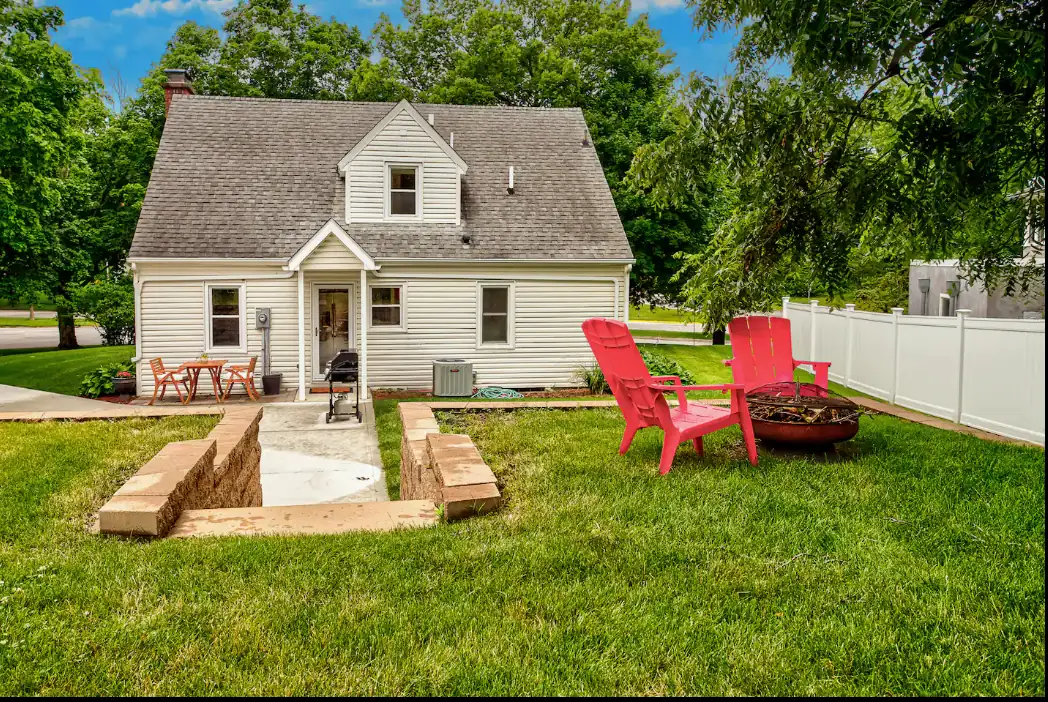
There's a specific quiet that fills a house the day it goes empty. The furniture's on a truck, your voice echoes off the walls, and you're standing in the front room jingling a set of keys with nowhere to be. Maybe you upgraded, maybe you inherited it, maybe the job moved you two states over. Doesn't matter — the mortgage didn't leave with the couch. An empty house costs you money just by sitting there, politely, like a gym membership you keep meaning to cancel. So you start googling how to rent out a house, and four hundred conflicting opinions later, you're more confused than when you started.
The short version: renting out a house comes down to five decisions in order — pick short-term or long-term, get it rent-ready, price and list it, screen who comes in, and then run the day-to-day. The first four are a project with a finish line. The fifth one never ends, and it's where most owners quietly burn out.
Still reading? Good — because the internet loves to make step one sound like the whole thing, and step five is where the money and the headaches actually live. Here's how it really goes.
First, decide: short-term or long-term?
This is the fork in the road, and every other decision hangs off it. A long-term rental means one tenant, a twelve-month lease, and a check that shows up the same every month. Predictable, lower-touch, lower-ceiling. A short-term rental — your house on Airbnb and VRBO — means many guests, nightly rates, and a lot more upside if you're in a market that travels.
And here in Central Iowa, plenty of markets travel. Ames fills up the second the Cyclones have a home game. Des Moines and Ankeny pull steady business and family traffic. Clear Lake and Okoboji turn into gold all summer. If your house sits near demand like that, short-term can out-earn a long lease by a wide margin — but only if someone's actually running it.
The honest trade-off looks like this:
| Long-term rental | Short-term rental | |
|---|---|---|
| Income | Steady, predictable | Higher ceiling, more variable |
| Effort | Lower, occasional | High and constant |
| Furnishing | Tenant brings their own | You furnish and stock it all |
| Guest turnover | Once a year or less | Every few nights |
| Best fit | Quiet neighborhood, no travel demand | Near events, campus, lakes, business hubs |
Not sure which way the money leans? That's a real conversation worth having before you buy a single throw pillow. We dug into the earning side of it in our piece on rental properties for passive income.
Get the house rent-ready
Rent-ready means different things depending on the fork you picked. For a long-term rental, it's clean, safe, and functional — working smoke detectors, no deferred repairs waiting to become an emergency, a fresh coat of paint if the last tenant loved the color beige a little too aggressively.
For a short-term rental, the bar is higher, because you're not renting a house — you're selling a stay. That means furnishing it fully, stocking it like a small hotel, and thinking about the stuff guests notice and photograph: good beds, real coffee, fast Wi-Fi, and enough forks that a family of five isn't taking turns. Under-furnish it and the reviews will tell on you before the second week is out.
Everybody wants the Airbnb income. Nobody's excited about the Tuesday-night trip to buy a sixth set of bath towels. That gap — the dream versus the errands — is the whole reason managers exist.
One more thing people skip: the boring safety and legal layer. Smoke and CO detectors, a fire extinguisher, clear exits, and a check on what your city actually allows. Which brings us to the part nobody enjoys.
Price it, list it, and don't guess
Pricing is where good money gets left on the table. Pick one flat nightly rate and you'll sit empty on the busy weekends and overpriced on the dead ones. The fix is dynamic pricing — moving your rate with demand, season, and the local calendar, the same way hotels and airlines do it.
In our market the calendar is everything. Pricing flat through an ISU home-game weekend is just handing money back to the internet. A listing that prices up into demand and down to fill the slow Tuesdays earns more than one that picks a number and hopes.
Then there's the listing itself. For a short-term rental, professional photos, a headline that sells the experience, and calendars synced across Airbnb and VRBO so you're not double-booking yourself. A great house with phone-camera photos and a two-sentence description will lose every time to a mediocre house that was marketed like it mattered.
Screen who you let in
Renting out a house means handing a near-stranger the keys to a six-figure asset, so screening isn't optional. For long-term tenants, that's credit, income, references, and prior-landlord checks — the stuff that keeps a lease from turning into a lawsuit.
For short-term guests, it's reading review history, asking about the trip, setting clear house rules up front, and having a deposit and the right insurance behind you. Most guests are lovely. The screening is for the handful who aren't, and for the 2am situation you'd rather have prepared for than improvised.
How to rent out a house without it becoming a second job
Here's the part the listing sites gently skip. Steps one through four have a finish line. Step five — the operations — does not. Once that house is live, it needs someone on it constantly:
- Guest messaging — inquiries, check-in instructions, and the after-hours "how does the shower work" text.
- Turnovers — cleaning, laundry, restocking, and a real inspection between every single stay.
- Maintenance — because short-term rentals take a year of wear in a month, and something always breaks on check-in day.
- Dynamic pricing — someone actively adjusting rates instead of setting one and forgetting it.
- Compliance — rental permits, lodging tax, and whatever your city decides to change this year.
None of these is hard alone. They just all land at once, usually on a checkout morning, usually while you're at your actual job. That's the collision that turns "passive income" into a part-time gig you didn't apply for. We broke the whole operation down in our field guide to managing short term rentals if you want to see exactly what it involves.
DIY or hire a manager? The honest answer.
Self-managing genuinely works — if you're local, organized, and have the evenings and weekends to give it. A single active listing is a real part-time job, and plenty of owners run one well.
The math changes fast when you're out of town, short on hours, or juggling more than one door. A manager trades a slice of revenue for your time back and for systems that already exist — dynamic pricing, fast guest comms, a reliable cleaning crew, and local boots on the ground for the physical work you can't do from a laptop. If you want the full breakdown of the role, we wrote up exactly what property managers do all day.
My blunt take after five years: the operations are the hard part, not the house. You can get the house rent-ready in a couple of weekends. The other 51 weeks a year are the job — and that job is the one thing we do for a living.
The bottom line
So, how to rent out a house? Pick your lane, get it rent-ready, price and list it like it matters, screen carefully, then run the operations that never stop. Do the first four and you've built the asset. It's the fifth — the daily grind of guests, turnovers, and surprises — that decides whether this feels like income or a second job.
Curious what your house could do across Ames, Des Moines, or the lakes — and whether it's a short-term or long-term play? Get a free estimate and we'll run the numbers with you, honestly, before you buy the first towel. You own it; we run it.
Sam Brant
Sam has spent 5+ years managing 60+ short-term rentals across Central Iowa on both Airbnb and VRBO — 500+ guest reviews at a 4.85★ average — helping owners and investors grow smarter, not harder. More about Sam →
How to Rent Out a House FAQ
How do you rent out a house?
Renting out a house comes down to five steps in order: decide short-term (Airbnb/VRBO) or long-term, get the house rent-ready, price and list it to real local demand, screen your guests or tenants, then run the day-to-day operations. The first four are a project with a finish line; the fifth one — pricing, messaging, turnovers, maintenance, and compliance — never stops, and it's where most owners either profit or burn out.
Is it better to rent a house short-term or long-term?
It depends on your market and how hands-on you want to be. Long-term means one tenant, a lease, and steady, lower-touch income. Short-term means nightly guests and a higher ceiling if your house sits near travel demand — in Central Iowa that's ISU game weekends in Ames, business traffic in Des Moines and Ankeny, and the summer rush at Clear Lake and Okoboji. The catch is short-term takes far more day-to-day work to run well.
What do I need to do to get a house rent-ready?
For a long-term rental, rent-ready means clean, safe, and fully functional — working detectors, no deferred repairs, fresh paint where it's needed. For a short-term rental the bar is higher because you're selling a stay, not just a house: furnish it fully, stock it like a small hotel with good beds, real coffee, and fast Wi-Fi, and cover the safety and legal layer, including whatever short-term-rental rules your city has.
Should I manage the rental myself or hire a property manager?
Self-managing works if you're local, organized, and have the evenings and weekends — a single active listing is a real part-time job. The math shifts fast when you're out of town, short on time, or running more than one property. A manager takes over the operations that never stop — dynamic pricing, guest communication, turnovers, maintenance, and compliance — so your role shrinks back to owner instead of operator.

Wondering what your house could actually earn?
We've spent 5+ years and 500+ five-star reviews renting out and running houses across Ames, Des Moines, and the Iowa lakes. Tell us about yours and we'll walk you through short-term vs. long-term, honestly, before you spend a dime.
More from the blog

Managing short term rentals: an owner's field guide
The five jobs behind every smooth-running rental, and the systems that make it hands-off.
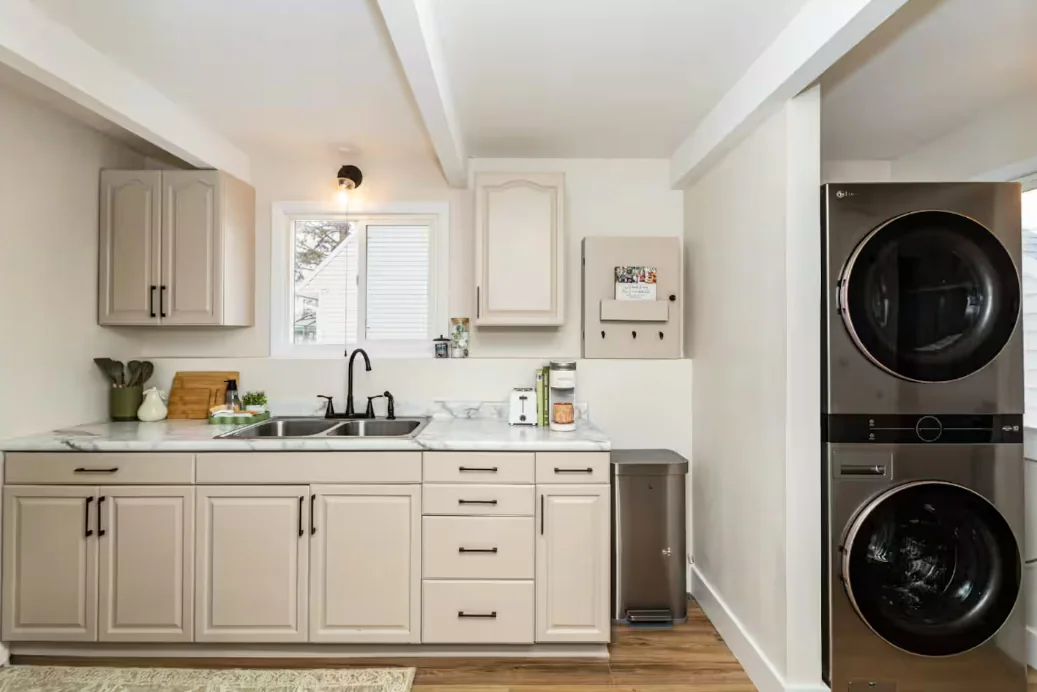
What Do Property Managers Do? The Real Day-to-Day
What do property managers do? A 5-year Iowa operator walks through the real day-to-day: pricing, listings, guests, turnovers, maintenance, compliance, and owner reporting.
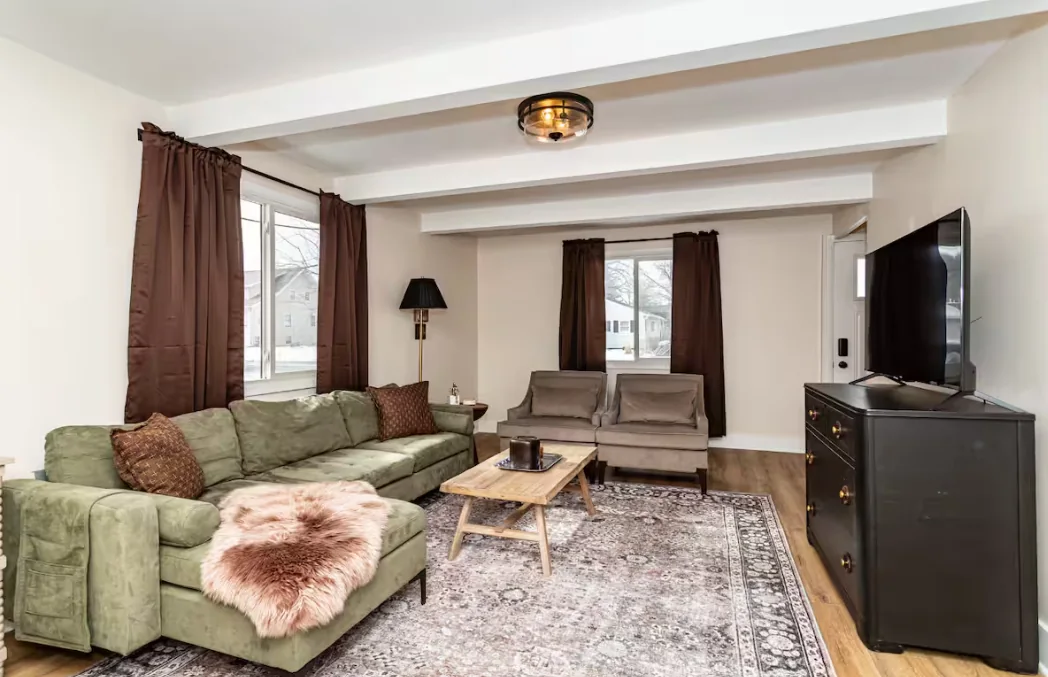
Rental Properties for Passive Income: The Honest Truth
Rental properties for passive income are only passive once someone runs them. Here's the work owners underestimate and how to get to true hands-off.