How Much Does It Cost to Furnish a House (An Operator's Honest Take)
You've got the keys, an empty three-bedroom that echoes when you walk through it, and one folding camp chair you've set up in the middle of the living room like a throne over a kingdom of nothing. Somewhere between measuring a doorway you will absolutely forget and pricing your fourth mattress of the night, you type how much does it cost to furnish a house into a search bar, quietly hoping one tidy number falls out and ends the spiral. It won't. And anyone who hands you a single number for the whole place is guessing.
I've furnished a lot of these. Not a couple, not for a hobby, dozens of short-term rentals across Central Iowa over the last five years. So the honest answer isn't a figure. It's a short list of things that swing the total up or down, most of which you actually control.
Still reading? Good, you're the type who wants the real breakdown instead of a fake average. Here's what moves the number.
So, how much does it cost to furnish a house? Start with the drivers
Two identical-looking houses can land a whole tier apart on furnishing cost, and it usually comes down to the same handful of levers. Nail these and you're in control of the number instead of the other way around.
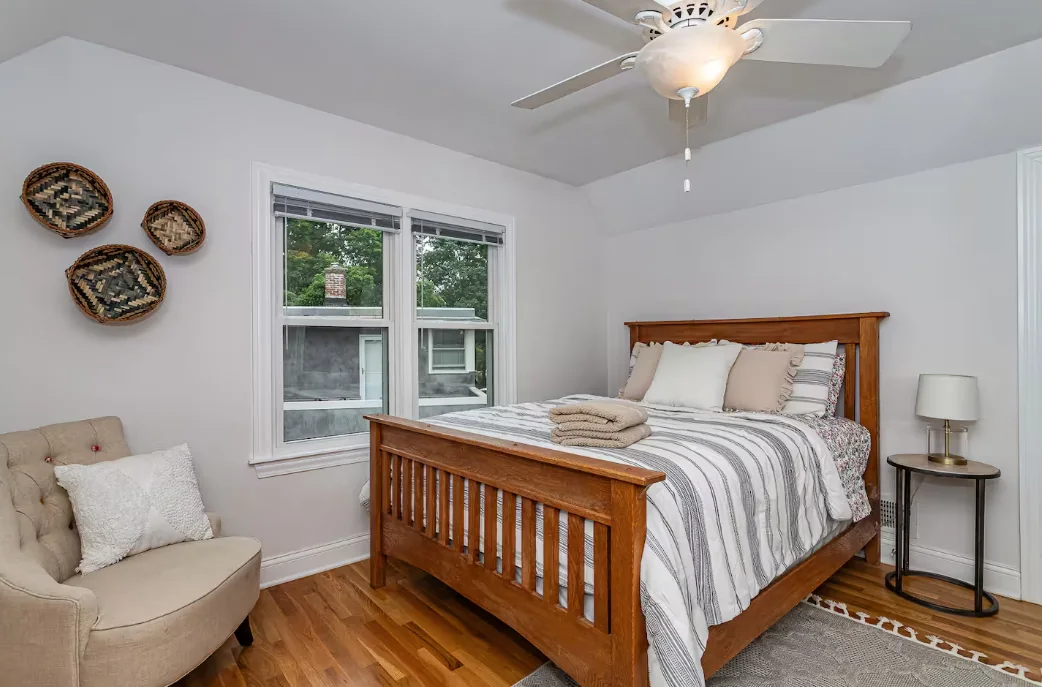
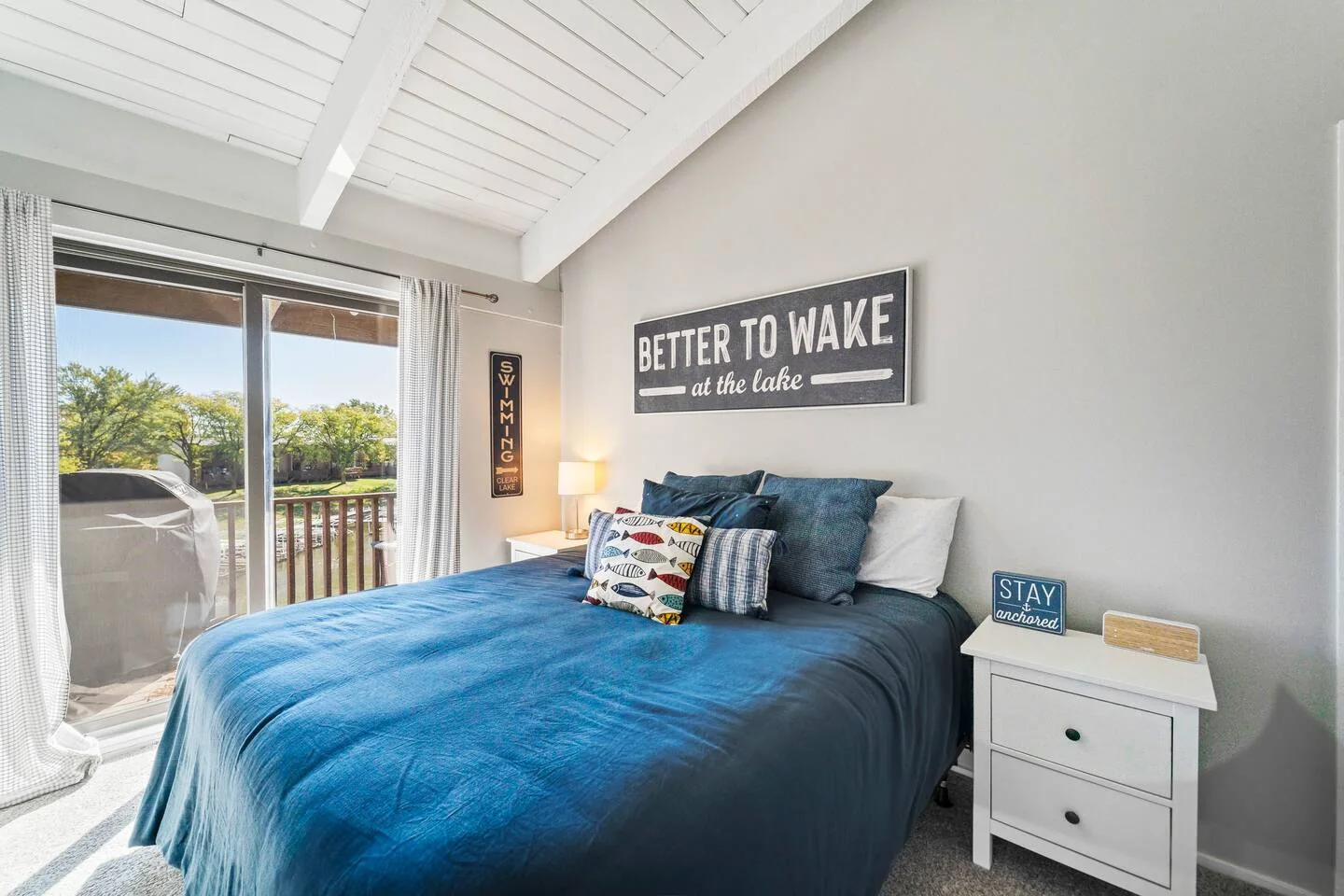
- Size and sleeping capacity. Every bedroom is a bed, a mattress, linens, a nightstand, lamps, and window coverings, a whole little kit that repeats per room. A four-bed costs more than a two-bed for the boring reason that there's simply more of it.
- Quality tier. Builder-basic, solid mid-range, or genuinely nice. This is the single biggest dial. The same room list at a premium tier can run several times what the bargain version does.
- Which rooms you prioritize. Not all rooms earn their keep. A great primary bedroom pulls more weight than a fully decked-out formal dining room nobody uses.
- Durability versus cheap-that-breaks. The white linen sofa that photographs like a dream is a one-month tragedy in a rental. Buying twice is the most expensive way to save money there is.
If you want the exact per-room checklist of what goes where, I wrote a full room-by-room guide to furnishing an Airbnb that pairs with this one.
Spend where guests live, save where they don't
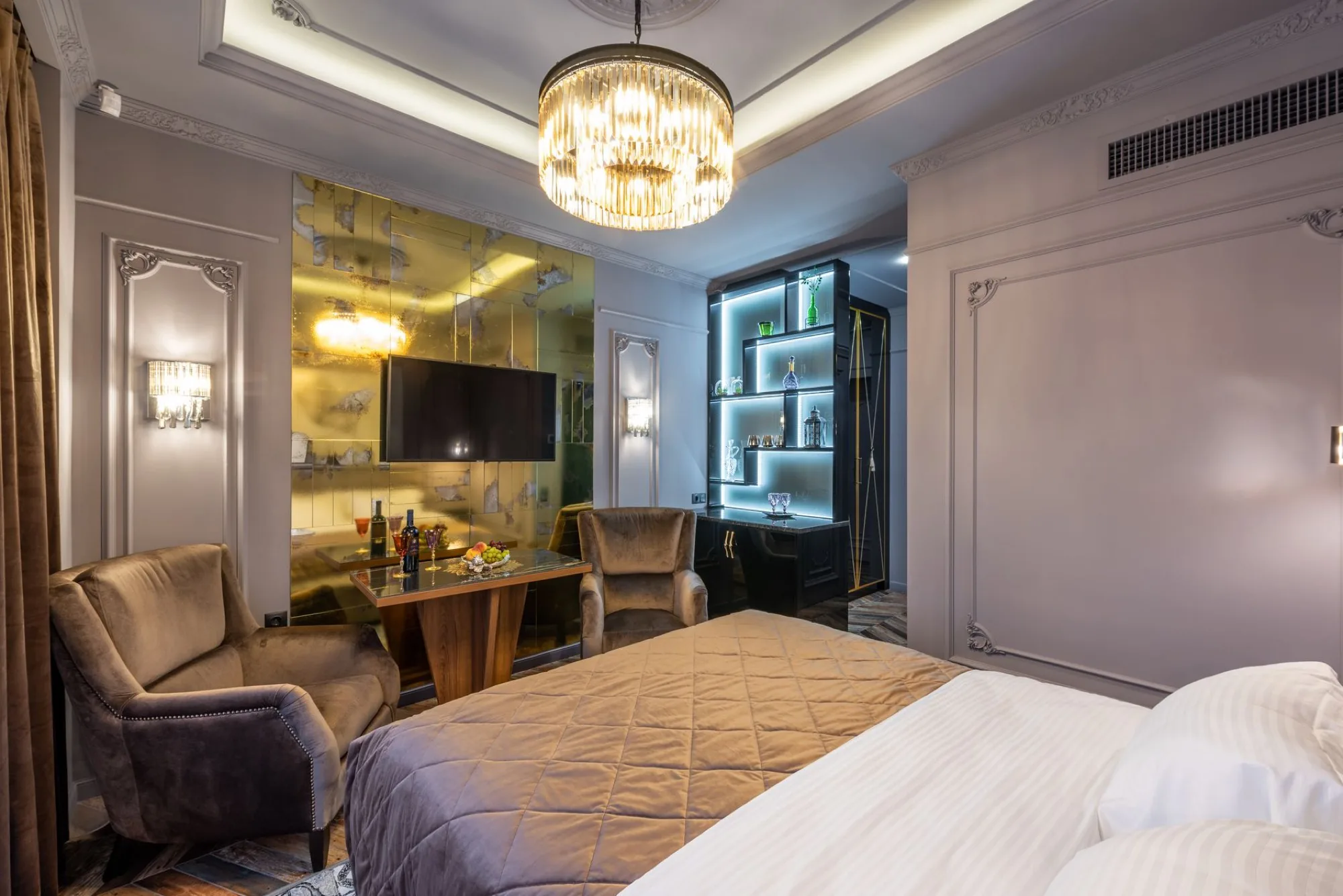
The mistake I see new owners make is spreading the money evenly, a little nice everywhere, which somehow reads as cheap everywhere. Don't. Put your dollars in the two or three spots that decide reviews, and go plain and tough on the rest. People forgive a basic side table. They do not forgive a bad night's sleep.
| Spend here (it shows up in reviews) | Save here (guests won't notice) |
|---|---|
| A genuinely good mattress and pillows | Dressers and nightstands |
| A stocked, working kitchen | Wall art and most décor |
| Comfortable living-room seating | Guest-bedroom furniture beyond the bed |
| Fast, reliable wifi | Trendy accent pieces |
| Plush towels and quality linens | Rarely-used formal or bonus rooms |
The bed is the highest-return purchase in the whole house, hands down. A great sleep quietly earns five stars; a lumpy mattress quietly loses them, and the guest never tells you which one it was. Same logic drives the amenity side, which is a related lever, see which Airbnb amenities are actually worth the money before you overspend on gadgets.
The "everything else" nobody budgets for
Here's where the number people quote themselves is always low. They price the furniture, the big obvious pieces, and mentally call it done. Then the house needs to actually function, and a second wave of small stuff shows up that adds up fast.
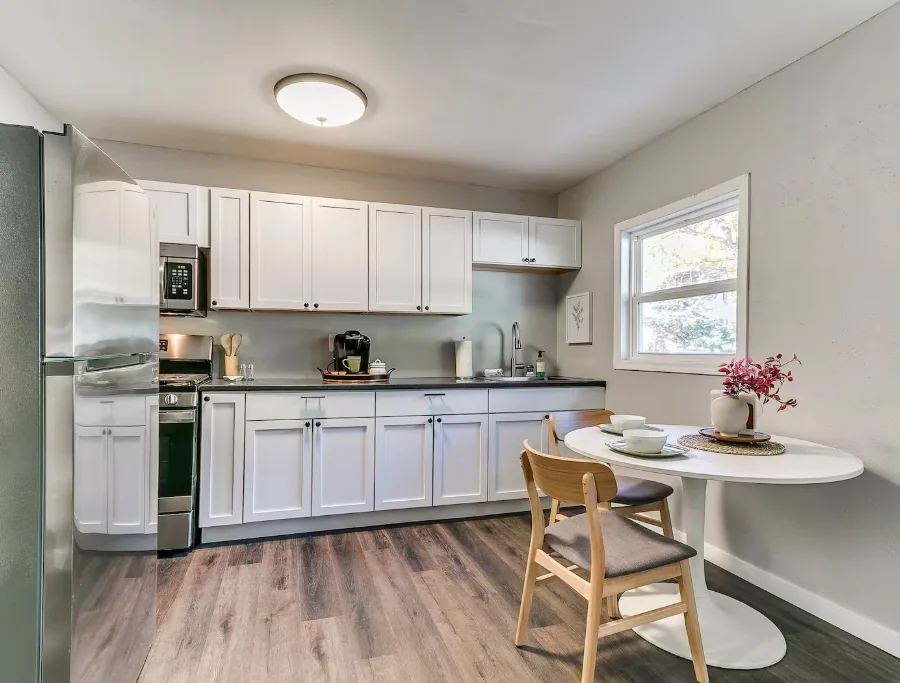
- The kitchen fill. Cookware, sharp knives, enough plates and glasses for max occupancy, a coffee setup, the basics. A pretty kitchen no one can cook in is a recurring complaint.
- Linens and towels, in backups. You need more than one set so a tight turnover never hangs on a single load of laundry. This line is always bigger than people expect.
- Safety and boring essentials. Smoke and CO detectors, a fire extinguisher, a first-aid kit, a plunger, trash bags, paper goods. Cheap individually, and skipping them is how a five-star stay picks up a one-star surprise.
- Décor and the finishing layer. Lamps, rugs, mirrors, the small touches that make photos look warm instead of like a furniture-store showroom floor.
Owners think furnishing is a shopping trip. It's really an inventory list you'll restock for years. Get that list right the first time and the rest of the business gets a lot quieter.
New to the whole thing and want the wider picture of what launching a rental takes? The Airbnb startup cost breakdown walks through the line items beyond furniture, licensing, photography, tech, and the rest.
Why owners just hand this part to us
Here's the quiet reason this post exists. Furnishing a rental well is a real skill, and it's a slow, decision-heavy one, dozens of little calls where the wrong tier or the wrong fabric costs you for years. Do it once and you learn it the expensive way. We've done it across 60+ properties, so we already know which mattress survives, which sofa wipes clean, which "deal" turns into a return trip.
So a lot of owners look at the empty house, the camp chair, and the forty open tabs, and decide their time is worth more than that. They hand us the keys and a target, and we furnish it to a standard that photographs well, holds up to guests, and books. You own it. We run it. You look at a statement once a month, which is a much nicer way to spend a Tuesday than pricing your fourth mattress.
The bottom line
How much does it cost to furnish a house comes down to choices, not a magic number: size, quality tier, which rooms you back, and buying tough over buying twice. Spend where guests sleep, cook, and shower; go plain everywhere else; and count the "everything else" before it counts you. Get those calls right and the house doesn't just look finished, it earns.
Furnishing a rental and want a real read on it instead of a guess? Get a free estimate and we'll help you spend where it actually pays off.
Furnishing a House FAQ
What actually drives the cost of furnishing a house?
Four things move it more than anything else: the size and sleeping capacity of the home, the quality tier you buy, which rooms you prioritize, and whether you buy durable pieces or cheap ones that break and need replacing. Bigger homes repeat the full per-bedroom kit, premium tiers can cost several times the bargain version, and buying twice is the most expensive way to save. Focus spend on the rooms guests actually use and go plain everywhere else.
Which rooms are worth spending the most on?
The bedroom and the kitchen, in that order. A genuinely good mattress and pillows are the highest-return purchase in the house because a bad night's sleep quietly costs you reviews, and a stocked, working kitchen prevents one of the most common guest complaints. Living-room seating, fast wifi, and quality towels round out the spots that show up in reviews. Guest bedrooms beyond the bed, décor, and rarely-used rooms are where you save.
What furnishing costs do people usually forget?
The 'everything else' beyond the big furniture. That includes the full kitchen fill (cookware, knives, plates, coffee setup), backup sets of linens and towels for fast turnovers, safety gear like smoke and CO detectors and a fire extinguisher, and the finishing layer of lamps, rugs, and small décor. Individually these feel minor, but together they're a real chunk of the total and the part that makes a house actually function.
Is it worth hiring someone to furnish a short-term rental?
For a lot of owners, yes. Furnishing well is a slow, decision-heavy skill, and the wrong tier or fabric costs you for years. An experienced operator already knows which mattress survives, which sofa wipes clean, and which 'deal' turns into a return trip, so you skip the expensive learning curve. Many owners simply decide their time is worth more than forty open browser tabs and hand the whole job off.