Airbnb Startup Cost: An Honest Look at What You're Actually Buying
Every new host meets the same moment, and it happens sitting cross-legged on the floor of an empty living room, because there is nowhere else to sit. It's a Saturday in March. You've got a tape measure, a gas station sandwich, and an online cart holding a couch you have personally reviewed more times than most people review their own marriage. The room echoes. And somewhere between "do I need a second shower curtain" and "wait — do I need a second shower curtain for the other bathroom," it lands on you: the airbnb startup cost isn't one number you look up. It's about forty small ones, and roughly eleven of them you haven't thought of yet.
So here's my deal with you up front. I'm not going to hand you a total. I've furnished and launched a lot of these houses over the last five-plus years, and I still can't price your house from a laptop. Anybody who gives you a firm number for a property they've never walked through is guessing at you, not for you.
What I can do is show you the categories. Because the owners who get burned aren't the ones who paid too much for a couch. They're the ones who never knew a whole category existed until the invoice showed up.
The categories that make up your airbnb startup cost
Think of launching in buckets, not in one lump. Every bucket has a floor you can't go under and a ceiling that's entirely up to your ego:
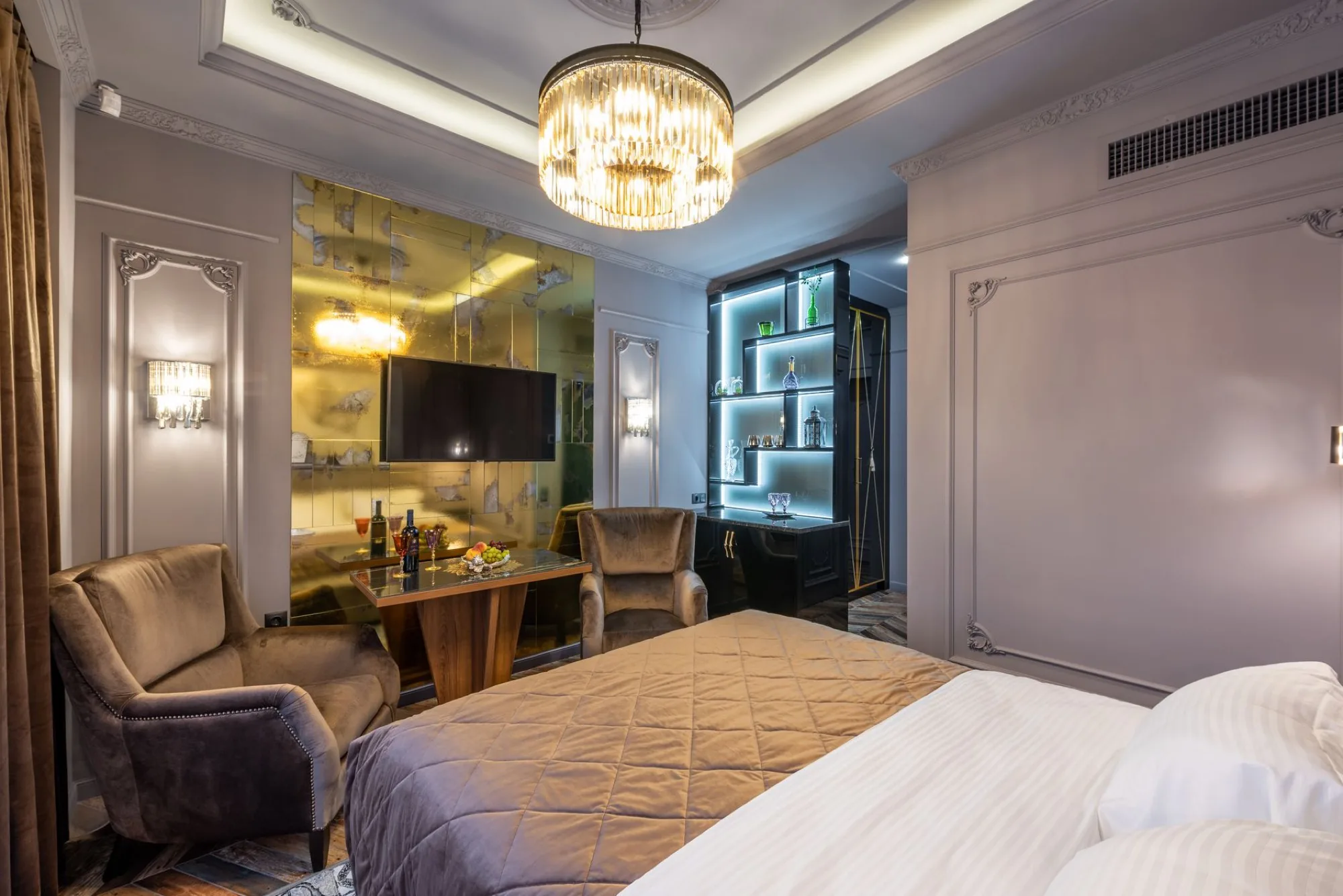
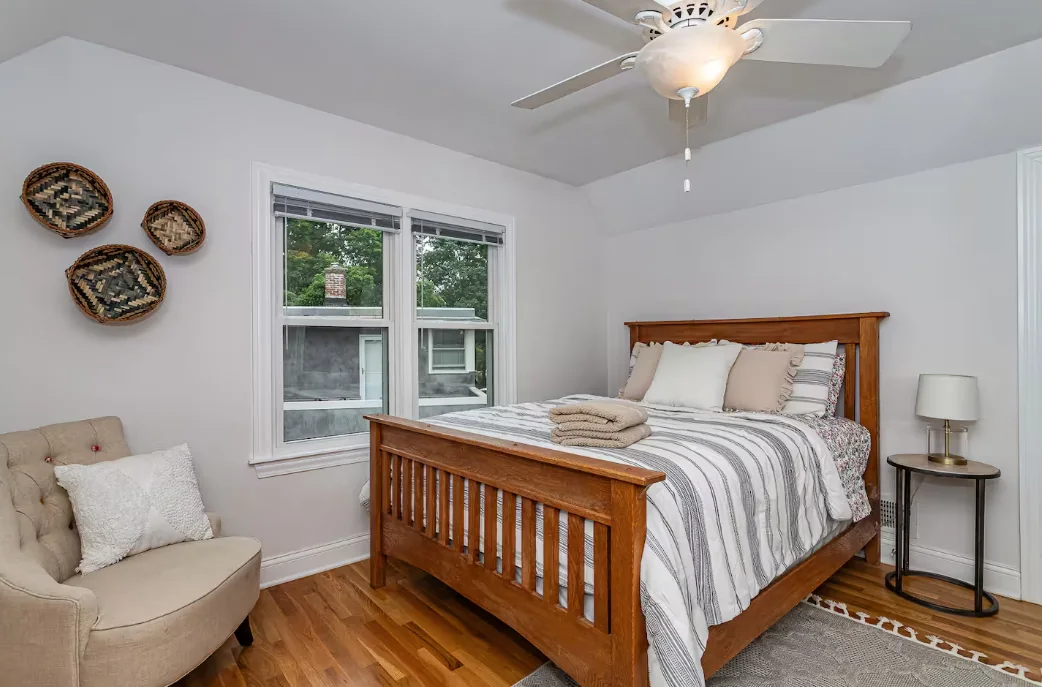
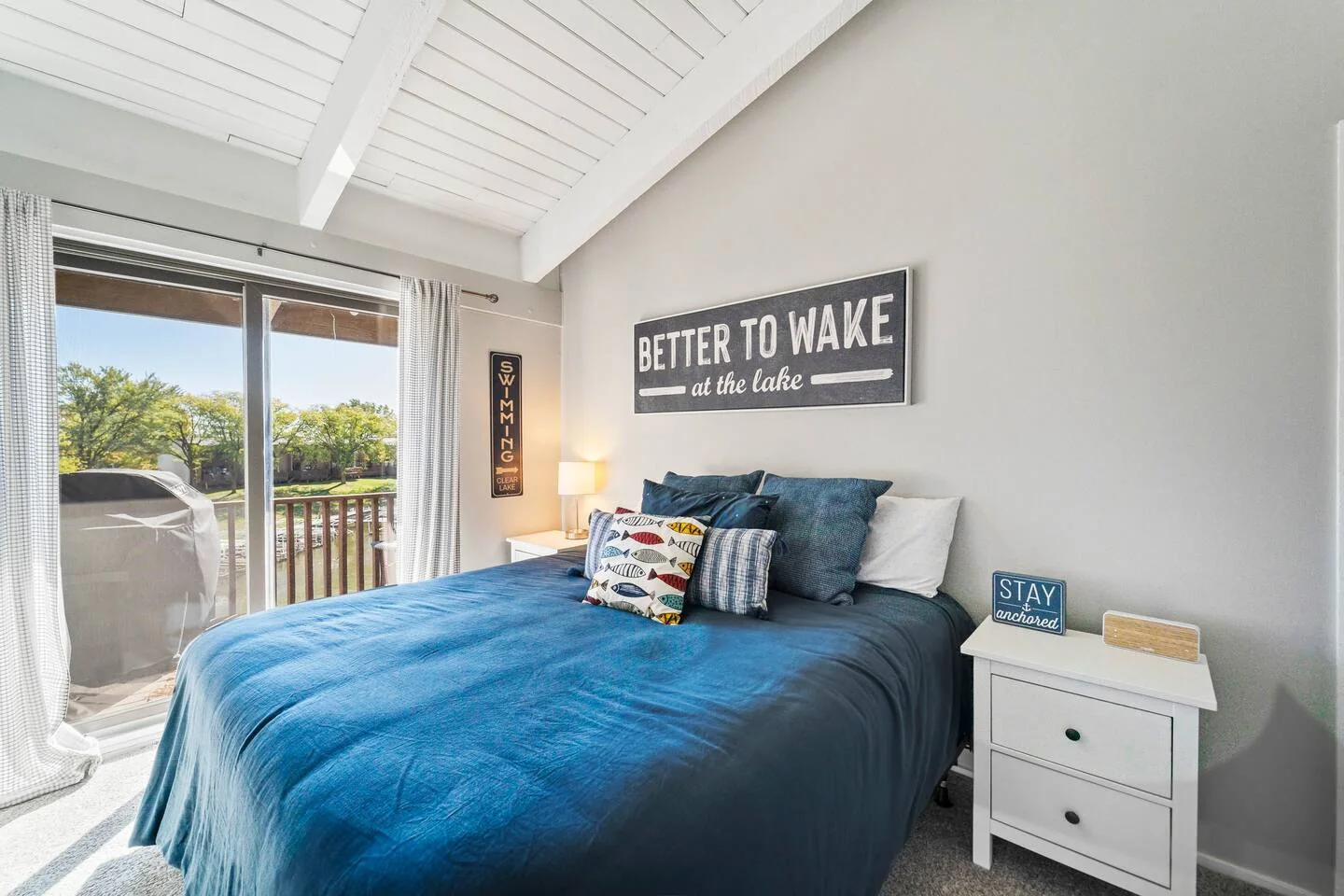
- Furnishing every room for strangers. Usually the biggest line item, and not close. A guest bedroom needs an actual bed people want to sleep in, not the one from your first apartment that folds if you sit on it wrong.
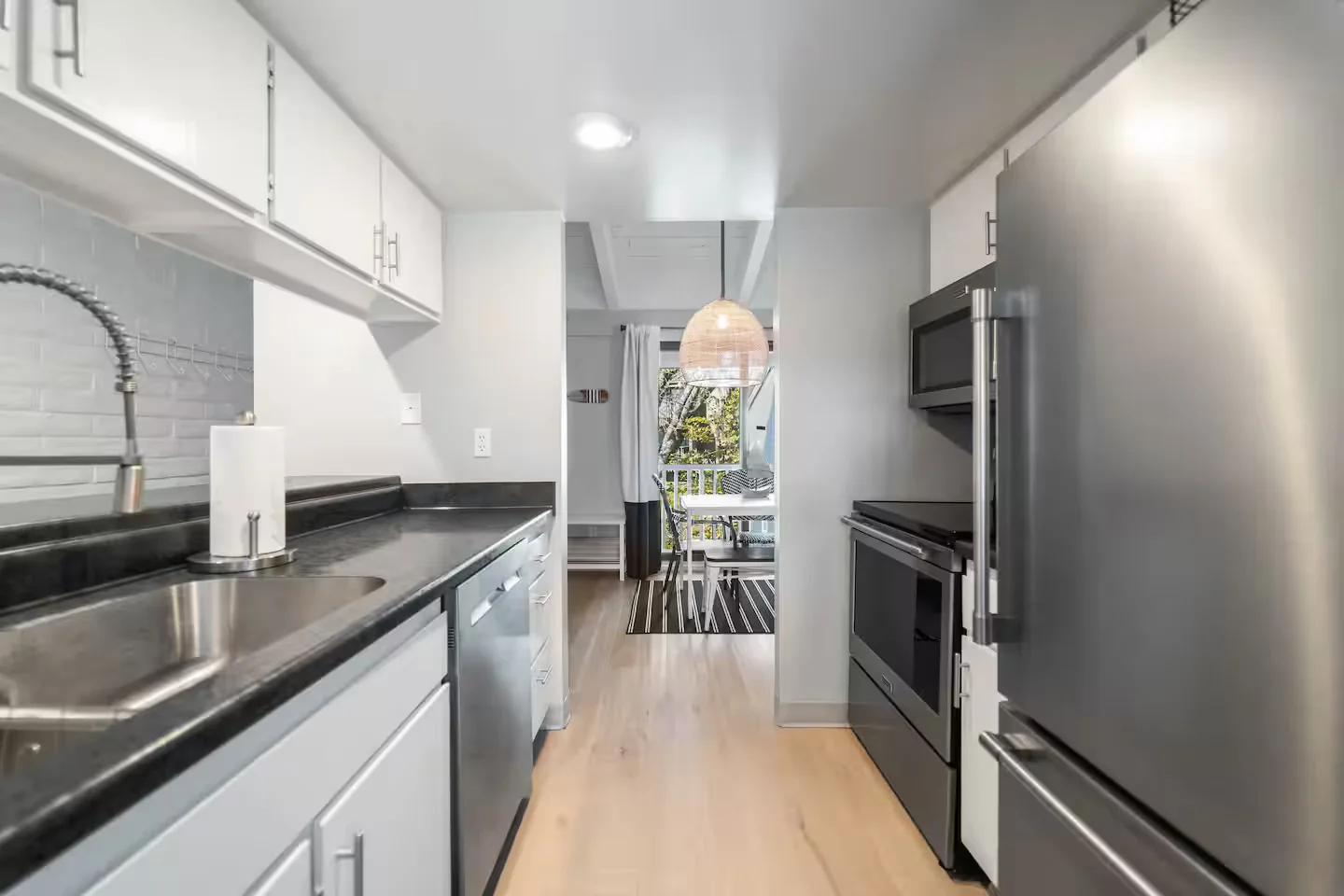
- The boring setup. Linens and towels — in multiples, plural, more than you think. Kitchen basics that let someone cook a real meal. Trash cans, hangers, a plunger you hope stays decorative.
- Consumables. Paper products, soap, coffee, dish tabs, salt and pepper. Small every time, constant forever.
- Professional photos. The single highest-leverage thing you'll buy. More on this below, because people fight me on it.
- Locks, wifi, and the smart stuff. Keypad lock, solid internet, noise or thermostat monitoring if the property calls for it. This is the difference between a check-in and a phone call.
- Permits and registration. Iowa handles short-term rentals at the city level, so your neighbor two towns over has a completely different answer than you do. Ask before you buy furniture, not after.
- Insurance. Your homeowner's policy was not written with strangers in mind. Get the right coverage before the first booking, not after the first incident.
- The first-month buffer. The category nobody budgets. Covered below.
Read that list and notice how little of it is "decor." The Pinterest part of setup is the part people obsess over and the smallest part of the spend. The stuff that quietly eats the budget is the stuff you'd never photograph.
The 10-second answer
Your airbnb startup cost is driven by four things: how much furnishing the place needs from scratch, how big it is (bedrooms and bathrooms multiply everything), what your city requires, and how much of the labor you're doing yourself. Everything else is a rounding error. Get quotes on the big buckets before you fall in love with a property.
What pushes airbnb startup cost up — and what pulls it down
Two identical-looking houses can launch for wildly different amounts. It's almost never mysterious. It's these levers, and you control most of them:
| Lever | Pushes cost up | Pulls cost down |
|---|---|---|
| Starting point | Empty shell — every room from zero, including the ones you'll rarely photograph | Already furnished, or you're bringing pieces that are genuinely guest-grade |
| Size | More bedrooms and bathrooms — each one multiplies beds, linens, towels, and consumables | A tight, well-laid-out smaller unit that doesn't need a third of anything |
| Guest type | Chasing a premium, design-forward listing with a hot tub and a "wow" factor | Clean, comfortable, durable — which is what most guests actually rate you on |
| City rules | Registration, inspection, and paperwork you discover mid-project | Knowing the requirements before day one so nothing gets bought twice |
| Your time | Paying someone to assemble, shop, stage, and coordinate every delivery | Doing it yourself — which is free, right up until you price your own weekends |
| Speed | Rush shipping, replacements, second trips, and a calendar sitting dark while you decide | One plan, one list, one pass — launch and start earning |
That last row is the one owners underrate. A house that takes three months to launch didn't save money by going slow. It just paid for those months in nights it never sold. The faster you go live, the faster you earn.
Where cheaping out costs you later
Some savings are real. Some are a loan from your future reviews at a terrible interest rate.
Across 700-plus reviews at a 4.85 average, I can tell you almost nobody writes about your art. They write about the mattress. They write about the towels. They write about whether the wifi held up on a Tuesday work call and whether there was a pan they could actually cook in.
So the honest ranking: never cheap out on the bed, the linens and towels, the wifi, or the photos. The bed is the product. Linens in multiples are what let a cleaner turn the house in a window instead of a miracle. Wifi is a utility to a modern guest, not an amenity. And the photos are the entire reason anyone clicks — a great house shot badly is invisible, and an invisible house earns nothing no matter what the couch cost.
Everywhere else? Buy tough and cleanable and move on. Our full breakdown on how to furnish an Airbnb gets into which rooms deserve the money.
A cheap mattress doesn't save you anything. It just spreads the cost out over a year of three-star reviews, and those cost more than the good mattress ever would have.
The buffer nobody puts in the spreadsheet
Here's the category that ambushes first-time owners. Your listing goes live and the bookings do not immediately arrive.
That's not a failure. That's just how it works. A brand-new listing has no reviews, no history, and no reason for the algorithm to trust it yet, so it earns its way up over the first stretch. Meanwhile the mortgage, the utilities, the insurance, and the internet all keep their normal schedule with total indifference to your ramp-up.
Budget for that gap on purpose. Owners who plan for a quiet opening run the property calmly and let it build. Owners who don't start panic-discounting in week two, attract the exact wrong guests, collect a rough review, and then spend six months digging out of a hole they dug themselves. If you want the honest math on what comes after launch, we walk through it in is Airbnb profitable.
The bottom line
Your airbnb startup cost is not a number on a blog. It's your house, your city, your bedroom count, and how honest you're willing to be about the boring categories. Get the buckets right and the total takes care of itself. Skip a bucket and you'll meet it later, usually at the worst possible moment, usually in public, in a review.
If you're still at the "should I even do this" stage, start with how to become an Airbnb host and work forward from there.
And if you'd rather someone who's launched a lot of these just walk your property and tell you straight — that's the job. Get a free estimate and we'll price your actual house instead of a hypothetical one.
Airbnb Startup Cost FAQ
What drives Airbnb startup cost the most?
Four things, in order. First, how much furnishing the property needs from scratch — an empty shell costs far more to launch than a place that's already livable, and furnishing is almost always the biggest line item. Second, size: every extra bedroom and bathroom multiplies beds, linens, towels, and consumables. Third, your city's requirements, since Iowa regulates short-term rentals locally and registration or inspection rules vary by town. Fourth, how much of the labor, shopping, and coordination you're doing yourself versus paying out. Everything else is comparatively small.
What costs do new Airbnb hosts usually forget?
The boring ones. Linens and towels in multiples, so a cleaner can actually turn the house between guests. Kitchen basics good enough to cook a real meal in. Ongoing consumables like paper products, soap, and coffee. Professional photography. A keypad lock and reliable wifi. Permits or registration. Proper insurance, because a standard homeowner's policy wasn't written with paying strangers in mind. And the first-month buffer before bookings ramp up.
Where should I not cut corners when setting up an Airbnb?
The bed, the linens and towels, the wifi, and the photos. Guests rarely review your artwork, but they absolutely review the mattress, whether they ran out of towels, and whether the internet held up. Photos are what earn the click in the first place — a great house shot poorly is an invisible house. Everywhere else, buy durable and cleanable and move on.
How long until an Airbnb starts covering its costs?
Plan for a ramp, not a switch. A brand-new listing has no reviews and no booking history, so it has to earn visibility over its first stretch while the mortgage, utilities, and insurance keep their normal schedule. Budget for that gap deliberately. Owners who plan for a quiet opening stay calm and let the listing build; owners who don't tend to panic-discount, attract the wrong guests, and spend months digging out of a rough early review.