
Serviced Accommodation: What It Actually Means (and Why Owners Care)
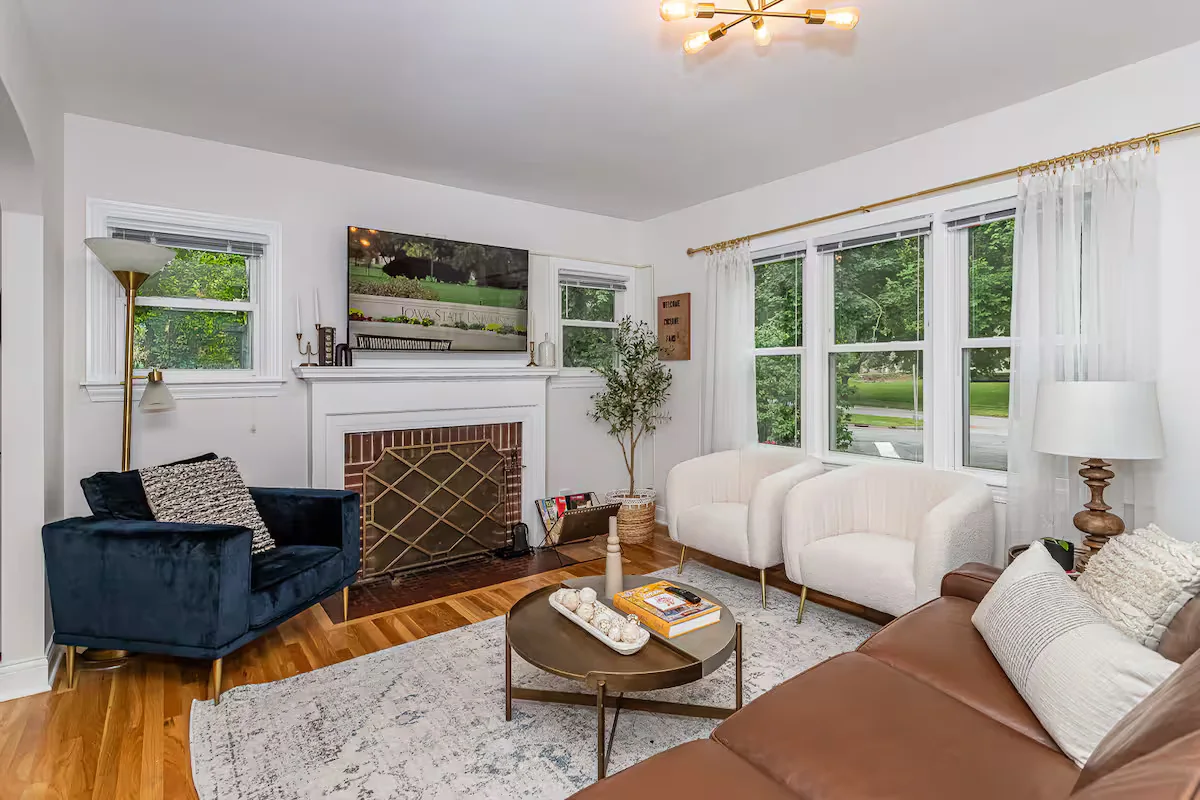
By the third week in an extended-stay hotel, you start greeting the lobby waffle iron like an old coworker. It's a Sunday night. A relocating engineer wheels his suitcase into room 214 for the fourth time this month, steps over the same worn square of carpet, and eats a granola bar over the sink because the "kitchenette" is a microwave and a hopeful attitude. He doesn't want a vacation. He wants somewhere to actually live for the next ten weeks that doesn't feel like a filing cabinet with a bed in it. That gap — bigger than a hotel, warmer than a bare lease — is exactly what serviced accommodation fills.
Serviced accommodation is a fully-furnished home rented with hotel-style services baked in: linens and towels, regular cleaning, utilities and wifi included, and a real person to text when something breaks. You book it by the week or the month, not the year. Think "apartment that runs itself," not "hotel you're slowly resenting."
Still reading? Good — because the term itself trips people up, and the model behind it is quietly one of the better plays a Central Iowa owner can run. Let's unpack it.
What "serviced accommodation" actually means
If the phrase sounds a little foreign, that's because it mostly is. "Serviced accommodation" is common in the UK and Europe, where it's a whole recognized category. In the US we tend to say "furnished rental," "corporate housing," or just "the Airbnb," and we mean roughly the same thing.
Strip the label off and here's the actual product: a real home, furnished and stocked so a guest can arrive with a suitcase and start living the same night. What makes it serviced is everything that happens around the four walls — the cleaning schedule, the fresh linens, the paid-for utilities, the fast wifi, and a manager who answers when the dishwasher stages a protest.
That last part is the whole game. A furnished house with no service behind it is just a furnished house. Add reliable service and you've got something a professional will pay a premium for, and come back to.
Not a hotel, and not a bare rental
The easiest way to understand serviced accommodation is to put it next to the two things it isn't. A hotel gives you service but hands you one room, a hallway of strangers, and a "kitchen" that's a coffee maker. A standard long-term rental gives you space and privacy but arrives empty, with a 12-month lease, utilities in your name, and a landlord who considers a text message a personal attack.
Serviced accommodation takes the good half of each.
| Serviced accommodation | Hotel | Standard rental | |
|---|---|---|---|
| Space | A whole furnished home | One room | A whole home, but empty |
| Furnished | Yes, fully | Yes | No |
| Services included | Cleaning, linens, utilities, wifi | Yes | None — it's on you |
| Typical stay | Nights to a few months | Nights | A year or more |
| Feels like | Living there | Passing through | Moving in for good |
| Commitment | Low, flexible | Very low | High, locked in |
Read that middle column again from a guest's side. Ten weeks in a hotel room is a punishment. Ten weeks signing a year lease and buying a couch you'll abandon is absurd. The furnished-home-with-service option is the only one that makes sense for a stay measured in weeks — which is exactly why demand for it keeps climbing.
Who actually books serviced accommodation
Not tourists, mostly. The people filling these stays have a reason to be somewhere for a while and a company or a situation footing the bill.
- Business travelers — consultants, engineers, and project crews parked in town for a contract, who'd rather cook dinner than order room service for the ninth night running.
- Relocations — a family that took the job and needs a soft landing while they house-hunt, instead of cramming into a hotel with a dog and two kids.
- Traveling professionals — the traveling-nurse and clinician crowd on 13-week assignments, which is a steady, well-behaved slice of demand. We wrote a whole piece on furnished rentals for traveling professionals because it's that reliable.
- Insurance and remodel displacements — someone whose house is mid-rebuild and needs a furnished place for a couple of months, yesterday.
Here in Central Iowa that list has a local accent. We're near ISU and a cluster of hospitals, which means visiting faculty, interns, medical travelers, and relocating professionals are a real and recurring source of exactly this kind of guest.
The owner's whole experience is a fully-booked calendar and a monthly statement. The service — the linens, the midnight wifi text, the turnover between guests — that's the part we quietly absorb so your guest never thinks about it and you never have to.
Why serviced accommodation is a smart model for owners
Here's the owner's version of the pitch, minus the fluff. Because guests pay for the service and the flexibility, a well-run serviced stay generally earns more than the same house sitting on a plain 12-month lease. You're not choosing between "empty" and "locked in for a year" — you can flex with demand.
It also plays beautifully with a mid-term strategy. When the nightly market goes quiet, a furnished home slides straight into a monthly booking without missing a beat, which is the entire logic behind the 30-day mid-term play. Same house, same furniture, different lever.
The catch — and it's a real one — is that all of that upside is riding on the word serviced. The rate premium only holds if the cleaning is reliable, the linens are fresh, the wifi is fast, and someone actually answers the phone. Skip the service and you've just got an expensive furnished rental with a bad review problem.
That service layer is precisely what we do all day. Five-plus years, 60-plus Central Iowa properties, and 700-plus guest reviews at a 4.85-star average is not a design accomplishment — it's an operations one. The furniture is the easy part; running the service behind it consistently, night after night, is the job. Doing that well is the core of managing short-term rentals without it running you.
The bottom line
Serviced accommodation is a furnished home that behaves like a hotel and lives like an apartment — bigger than a room, warmer than a lease, and rented by the people who need somewhere real to stay for weeks at a time. For an owner near ISU and the hospitals, it's a flexible, higher-yield way to run a property. The only hard part is doing the "serviced" half every single day, which happens to be exactly what we're built for.
Curious what your place could do as a serviced rental? Get a free estimate and we'll walk you through the numbers.
Sam Brant
Sam has spent 5+ years managing 60+ short-term rentals across Central Iowa on both Airbnb and VRBO — 500+ guest reviews at a 4.85★ average — helping owners and investors grow smarter, not harder. More about Sam →
Serviced Accommodation FAQ
What is serviced accommodation?
Serviced accommodation is a fully-furnished property rented short- or mid-term with hotel-like services included — regular cleaning, fresh linens, utilities, wifi, and guest support. It sits between a hotel and a standard long-term rental: bigger and more home-like than a hotel room, but far more flexible and hands-off than an empty year-long lease. The term is common in the UK; in the US it overlaps with furnished rentals and corporate housing.
How is serviced accommodation different from a hotel?
A hotel gives you one room, a hallway of strangers, and a coffee maker for a kitchen. Serviced accommodation gives you a whole furnished home — real kitchen, separate living space, privacy — with the hotel-style services still handled for you. For anyone staying more than a few nights, that space and the ability to actually cook and live make a serviced home far more comfortable than a hotel.
Who books serviced accommodation?
Mostly people with a reason to be somewhere for weeks rather than days: business travelers and project crews on contract, families relocating for a job, traveling nurses and clinicians on assignment, and people displaced by a remodel or insurance claim. In Central Iowa, being near ISU and several hospitals means visiting faculty, medical travelers, and relocating professionals are a steady source of these stays.
Is serviced accommodation a good model for property owners?
For many owners, yes. Because guests pay for the furnishings, services, and flexibility, a well-run serviced stay generally out-earns the same house on a plain long-term lease, and it flexes with demand instead of locking you into a year. The catch is the service layer — reliable cleaning, fresh linens, fast wifi, and responsive guest support are what justify the premium, which is exactly the part a good management team handles for you.
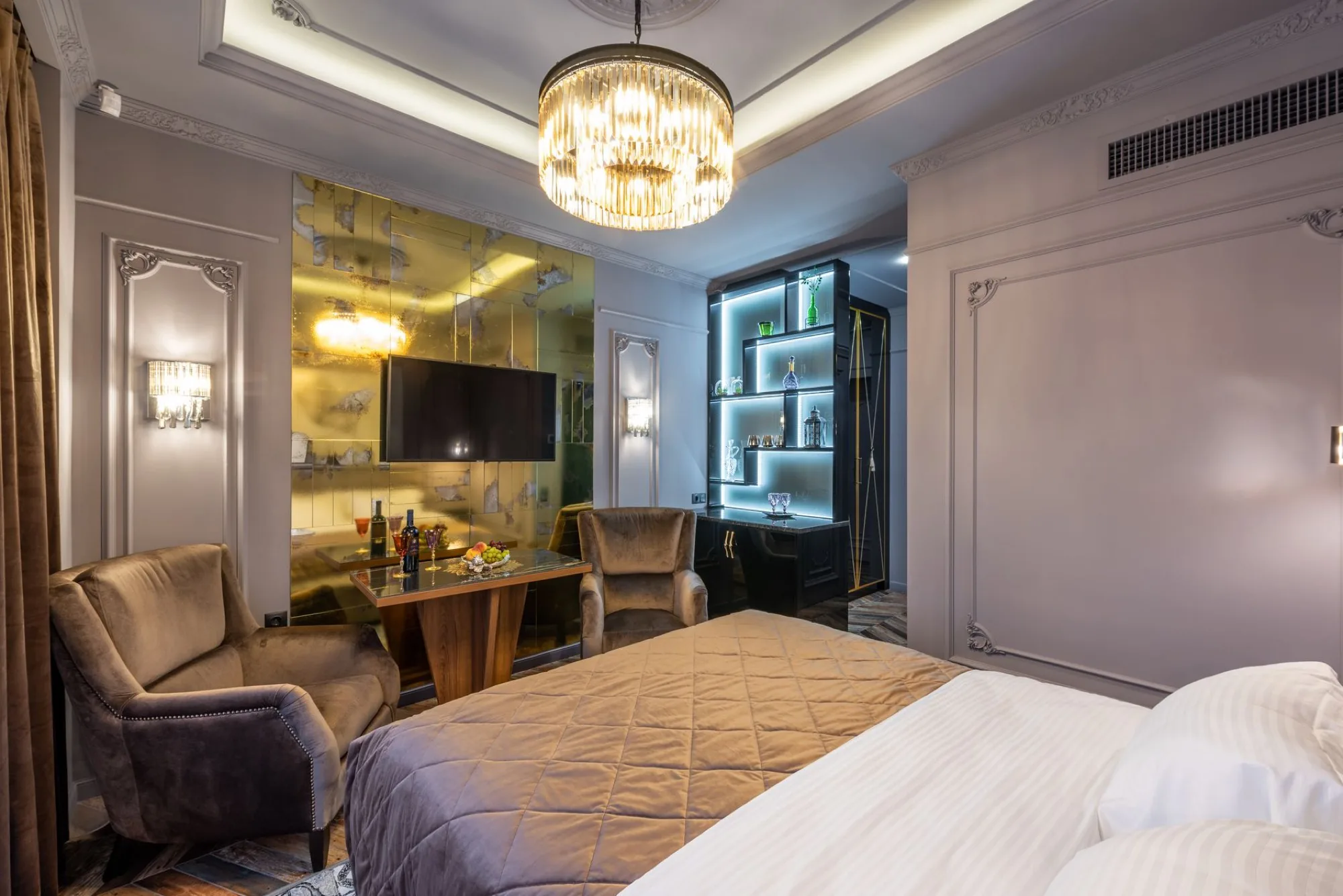
Wondering what your property could do as a serviced rental?
We furnish, price, and run serviced accommodation for owners across Ames, Des Moines, and Central Iowa — cleaning, guest support, and all. You own it; we run it.
More from the blog
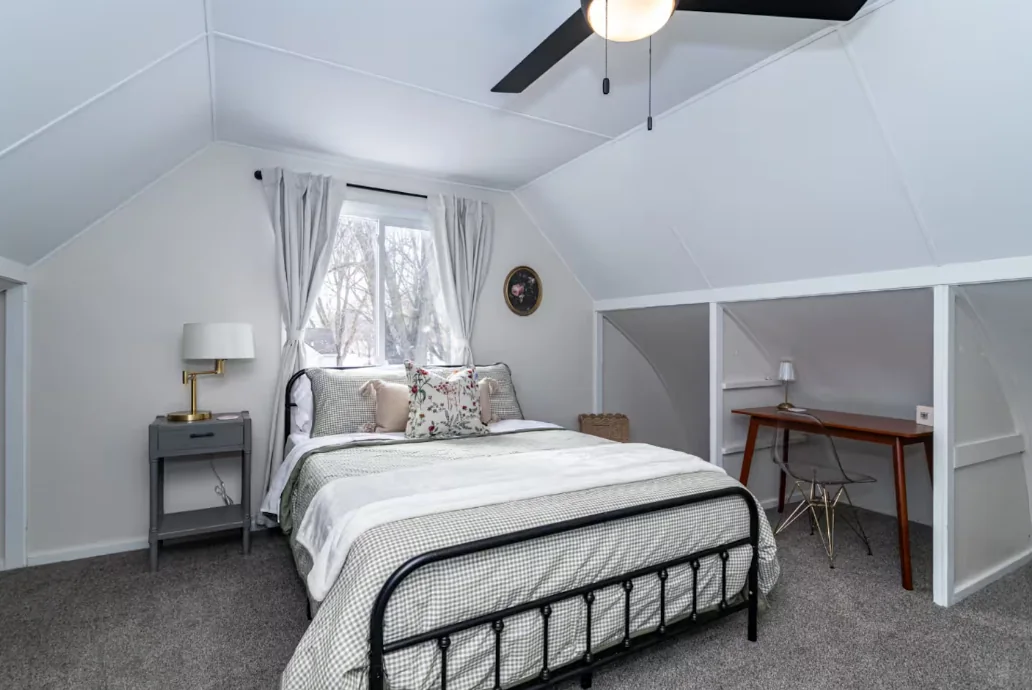
Mid-Term Rental Property Management: The 30-Day Play
Mid-term rentals are 30-plus day furnished stays that trade peak nightly rates for steady occupancy and far fewer turnovers. When the mid-term play wins.
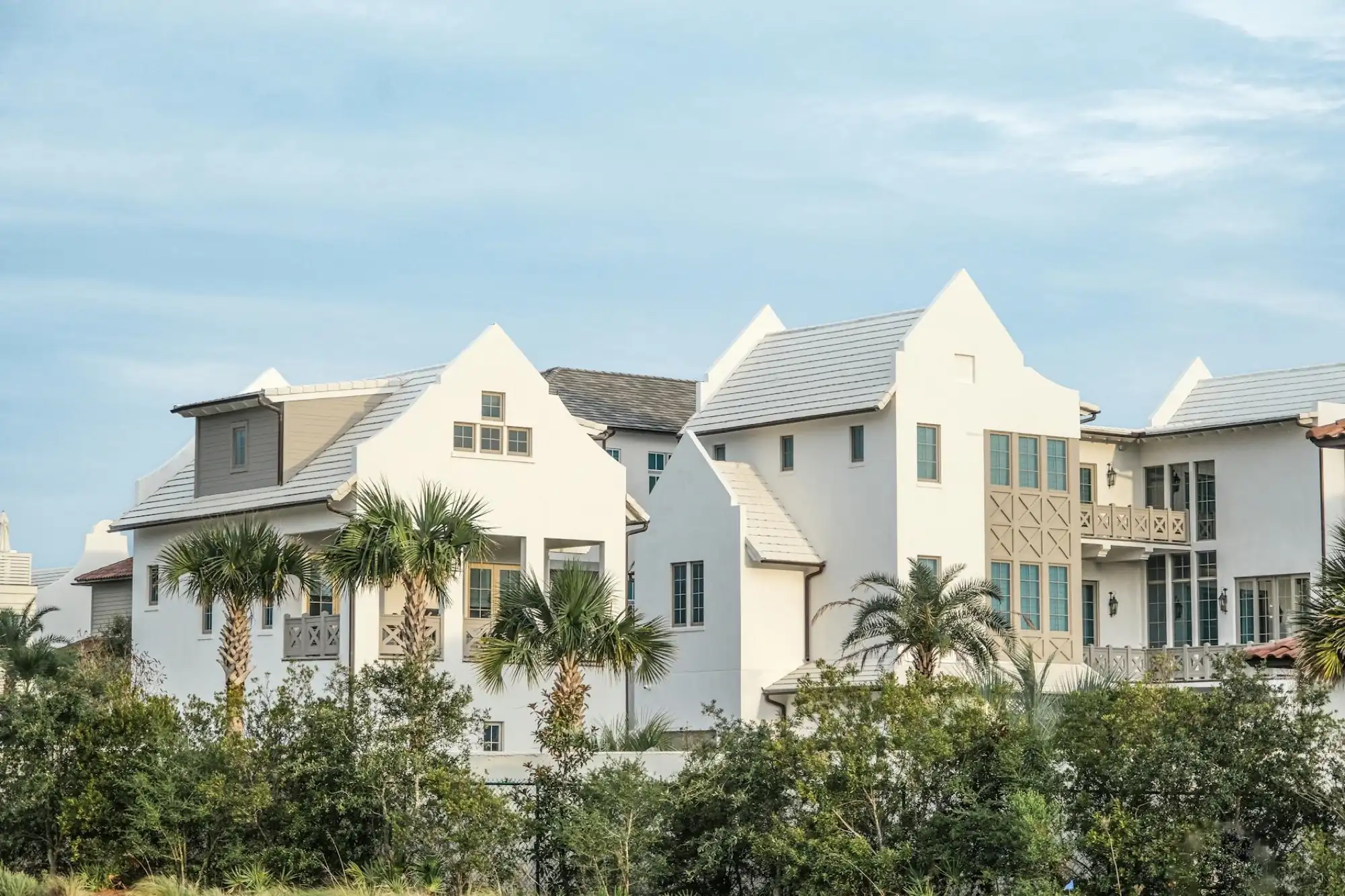
Managing short term rentals: an owner's field guide
The five jobs behind every smooth-running rental, and the systems that make it hands-off.
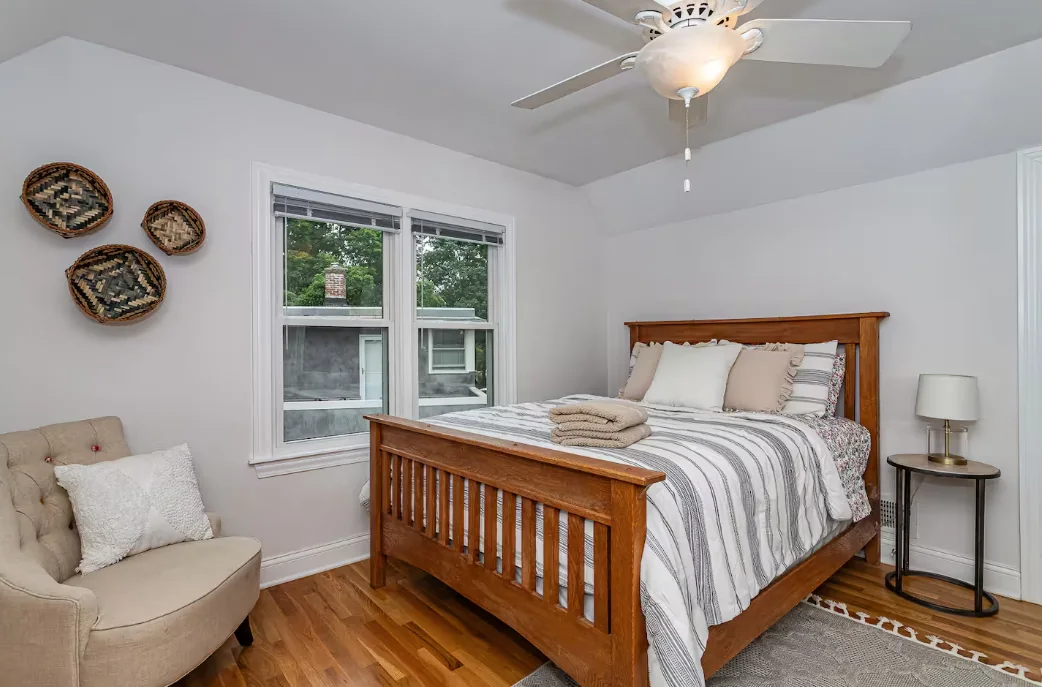
Furnished Rentals for Traveling Pros: The Steady Play
Furnished rentals for traveling professionals trade nightly-rate upside for steadier monthly income and far fewer turns. Who rents them in Central Iowa, and why owners win.