How to Purchase Rental Property: The Operator's Walkthrough
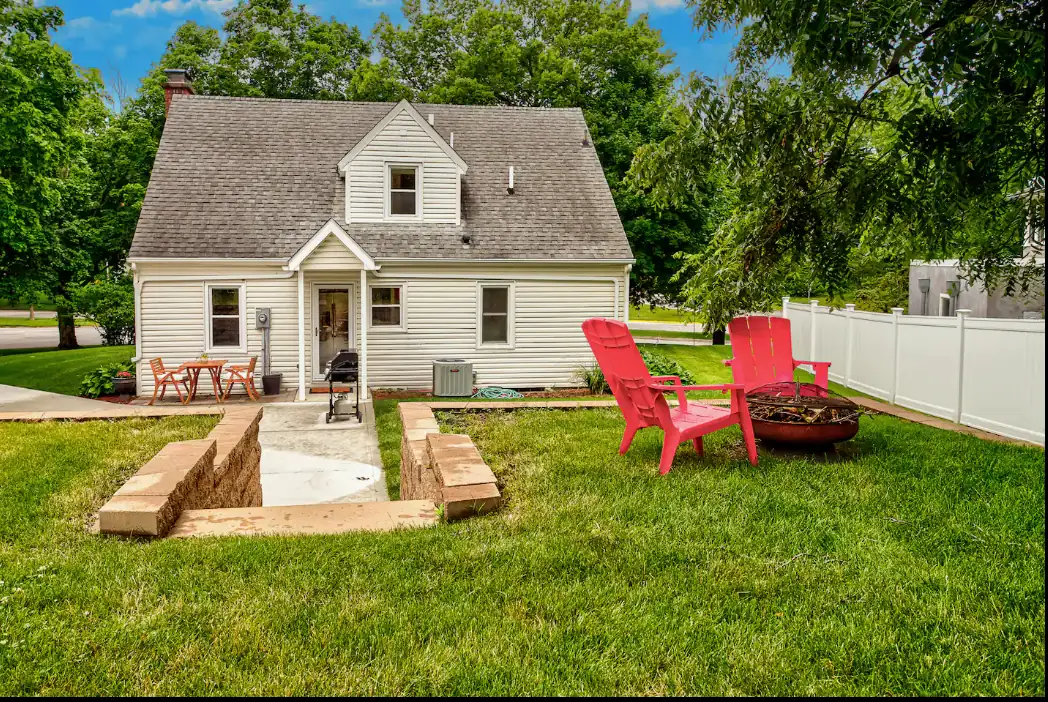
You've had the same three-bedroom saved on Zillow so long the listing photos have changed seasons. It's 6:40 on a Tuesday morning, coffee still too hot to drink, and you're scrolling the photos in order like the twelfth one will reveal whether this house makes money. It won't. The twelfth photo is a bathroom. But somewhere back there a daydream quietly turned into a project, and now you're actually researching how to purchase rental property instead of just admiring one. Good. Let's do it in the right order, because most people do it backwards.
Backwards looks like this: fall in love with a house, then invent a strategy to justify it, then discover what it costs to run. I've watched that movie. It's long and the ending is bad.
The short version
Decide your strategy first — long-term or short-term changes what you should even be shopping for. Then pick a market with real demand drivers, line up financing before you shop, run the numbers cold, inspect the expensive stuff, close with professionals doing the professional parts, and get serious about operating it. Buying is a transaction. Owning is a job.
Still reading? Then you want the whole map, not just the part with the pretty houses.
How to purchase rental property, step by step
After five-plus years and 60-plus rentals across Central Iowa, this is the sequence I'd hand a friend at the bar. It's not clever. It's just the order that keeps you from paying tuition to learn it.
- Pick the strategy before the property. Long-term or short-term isn't a detail you sort out later — it decides the house.
- Pick the market and know why anyone comes there. Demand has a reason. Find the reason.
- Get financing lined up. Talk to a lender before you talk to a seller.
- Run the numbers honestly. Before the emotions arrive.
- Inspect for the stuff that eats returns. Roof, HVAC, water.
- Close it properly. With an agent and an attorney doing their actual jobs.
- Launch it and run it. The step everybody underestimates.
Step 1: Strategy first — because it changes what you buy
Here's what new investors miss: a great long-term rental and a great short-term rental are frequently not the same house.
A long-term rental wants boring durability: low maintenance, a floor plan a family will tolerate for three years, a neighborhood with steady tenant demand. Nobody's going to review your backsplash.
A short-term rental wants proximity to a reason to travel and a layout that sleeps groups. Parking matters. Bedroom count beats square footage. And the finishes suddenly matter, because guests photograph them and strangers grade them.
| Long-term rental | Short-term rental | |
|---|---|---|
| You're buying for | Durability, steady tenant demand | A travel reason nearby, group layout |
| Income shape | Steady and predictable | Higher ceiling, lumpier floor |
| Condition standard | Solid and functional | Photographs well, guests grade it |
| Furnishing | Tenant's problem | Yours, before night one |
| Rules to check | Rental inspection, licensing | Permits, lodging tax, HOA, occupancy caps |
| The workload | A lease and a phone that rings rarely | A small hospitality business |
Neither is the right answer in the abstract. But buying for one and then running it as the other is how people end up with a beautifully furnished house in a neighborhood nobody travels to. The honest version of the short-term side is in is Airbnb profitable.
Step 2: Pick the market, and know its demand drivers
Every market that works, works for a reason. Your job is to name the reason out loud.
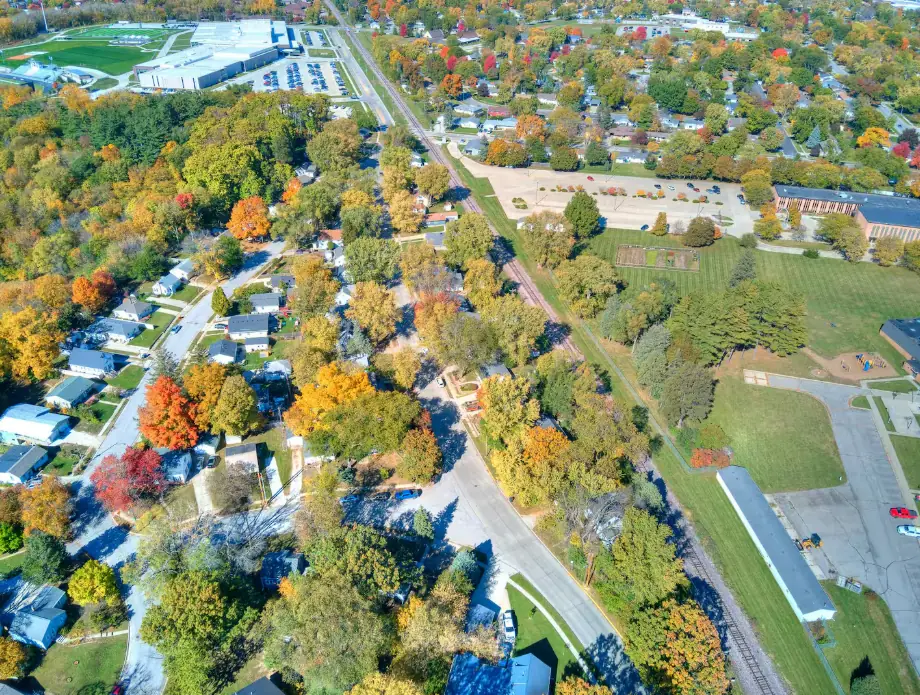
Ames has a university, and when the Cyclones are home the whole town remembers it has bedrooms. Des Moines has employers, hospitals, and a downtown that pulls business travel. Okoboji and Clear Lake are seasonal — the demand shows up wearing sunscreen and then leaves.
Those are completely different investments even though they're all Iowa. A lake house that eats through the winter and a campus house that lives by an eight-Saturday football schedule need different math, and different stomachs.
If you can't say in one sentence why a stranger would pay to sleep in this house, you don't have a rental. You have a house with an opinion about itself.
And check the rules before the photos. Short-term rental regulations in Iowa are set city by city — permits, lodging tax, occupancy limits, HOA language. Finding out after closing is an expensive way to read a municipal code.
Step 3: Get financing lined up before you shop
Talk to a lender early. Investment property financing works differently than the loan on your own house — different down payment expectations, different underwriting, different documentation about what the property will earn.
I'm an operator and an investor, not a lender or an attorney, so here's the useful thing instead of the fake-expert thing: get a real lender to tell you what you qualify for, in writing, before you write offers. Knowing your number changes which houses you're allowed to fall in love with. That's not a limitation, that's a filter.
Step 4: Run the numbers before you fall in love
This is where discipline beats optimism. Do the math cold, on a spreadsheet, before you've walked it and started imagining the throw pillows. Because after you've walked it, your math develops a personality — suddenly vacancy is lower, maintenance is cheaper, and that roof has "years left in it."
Count everything. Mortgage, taxes, and insurance are the easy part. The margin lives in the drip: turnover cleaning if it's short-term, maintenance, utilities, internet, supplies, software, lodging taxes, the roof and furnace that come due someday, management, and vacancy. Vacancy is a real cost even though nobody invoices you for it.
For a structured way to compare two properties without lying to yourself, start with how to calculate cap rate.
Step 5: Inspect for the things that actually eat returns
Get a real inspection. Then read it like an investor instead of a homebuyer. A homebuyer reads the report looking for reasons to worry. An investor reads it looking for three things: the roof, the HVAC, and anything involving water. Those turn a decent year into a bad one in a single afternoon.
Cosmetics are cheap and negotiable. Paint is a weekend. A sewer line is not a weekend. Foundation moisture, an original furnace, a roof at the end of its life, galvanized plumbing quietly rusting shut — those aren't quirks, those are line items with no sense of timing.
Ask the inspector how old, not just whether it works. "Works" is a status. "Nineteen years old" is a forecast.
Step 6: Close it, with professionals doing the professional parts
Use an agent to represent you. Use an attorney or title company for the closing. Use your lender's timeline, not your own optimism.
I run properties for a living — I'm a founder and an operator, not your agent and not your attorney, and I won't pretend otherwise to sound smarter. Hire the people whose job this is. The transaction is the one part of this that's genuinely well-solved by people who do it every day.
Step 7: The part nobody plans for — launching and running it
Congratulations, you own it. Here's what nobody says at the closing table: you didn't buy an income stream. You bought the raw material for one.
The buy is a series of decisions with deadlines. It ends. Operating has no end date — pricing that moves with demand, the guest at 4pm who can't find the door, the cleaner who cancels on the wrong Friday, the review that lands two weeks later about something you'd have fixed in ten minutes if anyone had told you.
That gap is why "passive income" is the most optimistic phrase in real estate. It can get close to passive — but only after somebody builds the systems, and systems don't build themselves while you're at your day job. We wrote about that honestly in rental properties for passive income.
The bottom line on how to purchase rental property
Strategy, then market, then financing, then honest math, then a hard look at the expensive systems, then a clean close. Do those in order and you've done the buy right — and understand what that means: you've finished the easy part.
Five-plus years, 60-plus Central Iowa rentals, and 700-plus guest reviews at a 4.85-star average have taught me the same thing over and over. The property doesn't decide whether this works. The operating does.
If you'd rather own the asset than answer the phone, that's the whole reason we exist. You own it; we run it. Reach out for a free estimate and we'll give you the straight read on your property, including the honest answer if it isn't a fit.
How to Purchase Rental Property FAQ
How do you purchase a rental property?
Work in this order. First decide your strategy, because a long-term rental and a short-term rental are often not the same house. Then pick a market and name the actual reason people travel to or live in it. Get financing lined up with a real lender before you shop, run the numbers cold before you fall in love with a property, inspect hard for the roof, HVAC, and anything involving water, and close with an agent and an attorney doing their jobs. Then launch it and operate it, which is the part most people underestimate.
Should I buy a long-term or short-term rental?
It depends on the market and your appetite for work, and you have to decide before you shop because it changes which house you should buy. A long-term rental wants durability, low maintenance, and steady tenant demand. A short-term rental wants proximity to a real travel reason, a layout that sleeps groups, parking, and finishes that photograph well. Buying for one and then running it as the other is a common and expensive mistake.
What should I inspect before buying a rental property?
Get a full professional inspection, then read it like an investor. Cosmetics are cheap and negotiable; the items that quietly eat returns are the roof, the HVAC, and anything involving water — foundation moisture, sewer lines, aging plumbing, and an original furnace. Ask the inspector how old each system is, not just whether it currently works, because age is a forecast and working is only a status.
Is buying a rental property really passive income?
Not on day one. Buying is a set of decisions with deadlines and then it ends; operating has no end date — pricing that moves with demand, guest communication, turnovers, maintenance, and local compliance. It can get close to passive, but only after somebody builds the systems, which is why a lot of owners hand the day-to-day to a manager rather than run it around a full-time job.