
How to Calculate Cap Rate (Without the Guesswork)
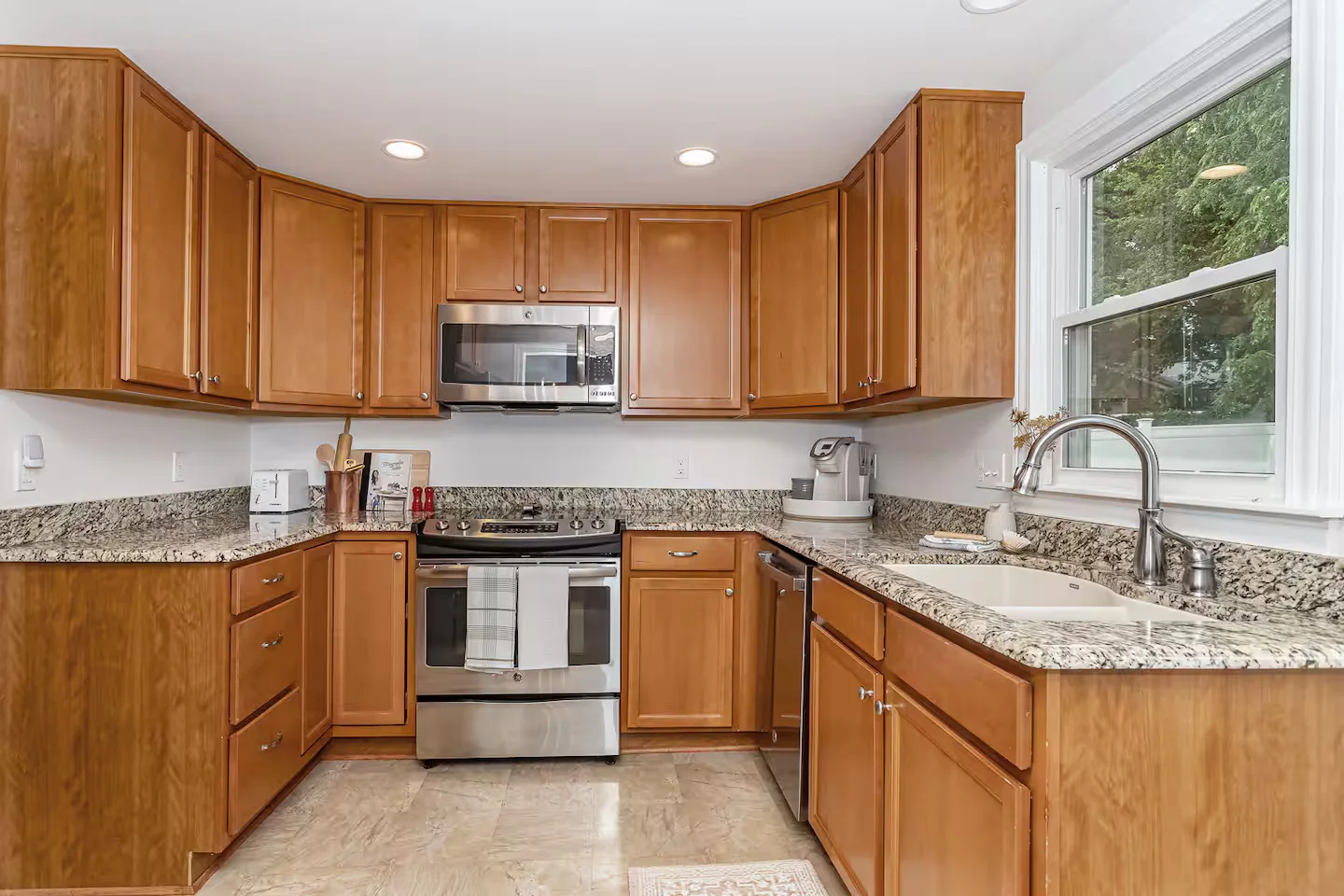
Somebody at every real estate meetup says "cap rate" the way other people say "bless you" — automatically, and not entirely sure why. You're standing in the kitchen of a tired little duplex, coffee going cold, and the seller's agent calls it "a solid eight cap" like that one number ends the conversation. You nod along. Then, in the car, you open a new tab and type how to calculate cap rate, because you'd like to know what you just agreed was solid. Fair. Let's make that number stop being a magic word and start being a tool.
Cap rate — short for capitalization rate — is just a property's annual return if you bought it in cash, before any loan. It's one clean percentage that lets you stack two totally different buildings next to each other and ask, "which one works harder for the money?" That's it. No incantation required.
Still reading? Good — because the formula is the easy half. The number that actually decides everything is that NOI on top, and it's the one a listing sheet loves to inflate. Let's take it apart.
How to calculate cap rate, step by step
Two moving parts, one division. Here's the order of operations that keeps you honest:
- Add up the annual income. Every dollar the property realistically brings in over a full year — rent, cleaning fees, any extra revenue — after you knock off some vacancy. Not the dream year. The likely year.
- Subtract the operating expenses. Everything it costs to run the place: property taxes, insurance, management, maintenance, utilities you cover, supplies, HOA dues, and a line for vacancy. What's left is your Net Operating Income (NOI).
- Divide NOI by the price. NOI ÷ purchase price (or current market value). Multiply by 100 to get your percent. Done.
Notice what's not in there: your mortgage. Cap rate deliberately ignores financing, because it's measuring the property, not your loan. Two investors can buy the same building with wildly different loans — cap rate lets them still compare the asset itself on even ground.
Working out NOI — the part everyone rushes
NOI is where a good-looking deal goes to confess. The formula never lies; the inputs do. Here's the honest version of both sides.
Income is more than the headline rent. Add cleaning fees, pet fees, any parking or extras — then subtract a realistic vacancy allowance, because no property is booked 365 nights a year and pretending otherwise is how people talk themselves into bad buys.
Operating expenses are the ones that get "forgotten" right up until they hit the bank account:
- Property taxes and insurance
- Management (yes, even if you plan to self-manage — your time isn't free)
- Repairs and ongoing maintenance
- Utilities, internet, and lawn/snow you cover
- Turnover cleaning, consumables, and supplies
- HOA dues, licensing, and lodging taxes where they apply
- A vacancy line — real money, even without an invoice
Two things stay out of NOI on purpose: your mortgage payment (that's financing) and big one-time capital projects like a new roof (that's a capital expense, not an operating one). Leave those in by accident and your cap rate turns to fiction.
Every seller's cap rate is calculated at 100% occupancy with the expenses that fell off the truck. Run your own NOI before you trust anybody's headline number — including mine.
How to actually use cap rate to compare deals
The reason cap rate earns its keep: it turns "this one's $300k and that one's $420k" into a single apples-to-apples percentage. Say, hypothetically, you're weighing two properties:
| Property A | Property B | |
|---|---|---|
| Price | $300,000 | $420,000 |
| Annual NOI | $24,000 | $29,400 |
| Cap rate | 8.0% | 7.0% |
(Illustrative round numbers again — not real market figures.) On the surface B earns more money. On a cap-rate basis, A works its capital harder. Neither is automatically "the winner" — a lower cap rate can be perfectly fine for a safer, in-demand location. But now you're comparing the deals instead of the price tags, which is the entire point.
A few honest rules of thumb for reading the number:
- Higher cap rate generally means more return, and usually more risk or more work — the cheap "great cap" is often cheap for a reason.
- Lower cap rate often signals a safer, higher-demand area where buyers accept less yield for more stability.
- "Good" is local. A strong cap rate in one town is a mediocre one two counties over. Compare within a market, not across the country.
Cap rate is a screening tool, not a verdict. It gets you from fifty listings down to five worth a real underwrite. If you want to see how the operating side turns a so-so number into a real one, our take on rental properties for passive income walks through what "passive" actually costs.
Where cap rate falls apart for short-term rentals
Here's the part the meetup guy skips. Cap rate was built for stable, predictable income — a long-term tenant paying the same rent every month. A short-term rental is not that. Point a clean formula at a moving target and you get a clean-looking wrong answer.
Three ways an STR breaks the tidy math:
- Income swings hard. A Cyclone home-game weekend and a dead Tuesday in February are not the same asset. Which nightly rate and occupancy did you plug in — the good month, the bad one, or an honest blend?
- Expenses run higher and lumpier. Turnovers, supplies, more wear, software, higher insurance. STR operating costs eat a bigger slice than a long-term rental's, and a napkin cap rate almost never counts them fully.
- Management drag is real. A short-term rental is a small business, not a mailbox. Whether you pay a manager or pay in your own weekends, that cost belongs in NOI — and it's the line most spreadsheets pretend is zero.
Which is the whole point I keep coming back to after five years and 60-plus rentals: the same building can post a great cap rate or a sad one depending entirely on how well it's operated. The purchase price sets the denominator; the operations decide the numerator. Nail the pricing and turns and your NOI climbs — the property didn't change, the running of it did. That's exactly the engine we break down in Airbnb revenue management, and the honest question of whether the whole thing pencils out at all in is Airbnb profitable.
The bottom line
So, how to calculate cap rate: take the property's honest annual NOI, divide it by the price, and read the percentage. The formula's easy. The discipline is refusing to fudge the NOI — counting every expense, including your own time, and using a realistic year instead of the seller's best one.
For a short-term rental, treat cap rate as the first filter, not the final word. The number on the listing assumes a well-run property, and "well-run" is a choice somebody has to make every single week. If you'd rather that somebody be us — so your NOI reflects tight operations instead of good intentions — grab a free estimate and we'll run the straight numbers on your deal, including the honest answer if the cap rate doesn't hold up.
Sam Brant
Sam has spent 5+ years managing 60+ short-term rentals across Central Iowa on both Airbnb and VRBO — 500+ guest reviews at a 4.85★ average — helping owners and investors grow smarter, not harder. More about Sam →
How to Calculate Cap Rate: FAQ
How do you calculate cap rate?
Cap rate equals Net Operating Income (NOI) divided by the purchase price or current value: Cap Rate = NOI ÷ Price. First add up the property's realistic annual income after vacancy, then subtract all operating expenses (taxes, insurance, management, maintenance, utilities, supplies) to get NOI. Divide that NOI by the price and multiply by 100 for your percentage. Financing and one-time capital projects stay out of the math, because cap rate measures the property itself, not your loan.
What is a good cap rate?
There's no single magic number — a good cap rate is relative to the market, the property type, and how much risk and work you're taking on. Generally a higher cap rate means more return but usually more risk or effort, while a lower one often reflects a safer, higher-demand location where buyers accept less yield for more stability. The right move is to compare cap rates within the same local market rather than chasing a nationwide benchmark.
Does cap rate include the mortgage?
No. Cap rate deliberately leaves out your mortgage and any debt service, because it's meant to measure the property's return as if you'd paid cash. That's what lets two investors with very different loans compare the same building on equal footing. Big one-time capital expenses, like a new roof, are also excluded — only ongoing operating income and expenses belong in the calculation.
Why is cap rate less reliable for short-term rentals?
Cap rate assumes steady, predictable income, and a short-term rental is anything but — revenue swings with seasons, events, and occupancy, and expenses run higher and lumpier than a long-term rental's. Management drag is real too: the property has to be actively operated every week, and that cost belongs in NOI even if you self-manage. Because the same building can post a strong or weak cap rate depending purely on how well it's run, treat cap rate as a first screen for STRs, not the final verdict.

Not sure your cap rate would actually hold up?
We've spent 5+ years and 500+ five-star reviews running the operations that decide whether a rental's NOI is real. Reach out for a free estimate and we'll run the straight numbers on your property, including the honest answer if the deal doesn't pencil out.
More from the blog
Is Airbnb Profitable? An Operator's Honest Answer
Yes, Airbnb can be profitable — but it's an outcome of how the place is run. The real levers, the forgotten expenses, and when it's not worth it.
Rental Properties for Passive Income: The Honest Truth
Rental properties for passive income are only passive once someone runs them. Here's the work owners underestimate and how to get to true hands-off.

Airbnb revenue management explained
Why the right nightly price beats a full calendar, and how dynamic pricing actually works.