Fall Color in Iowa: The Best Scenic Drives in Central Iowa
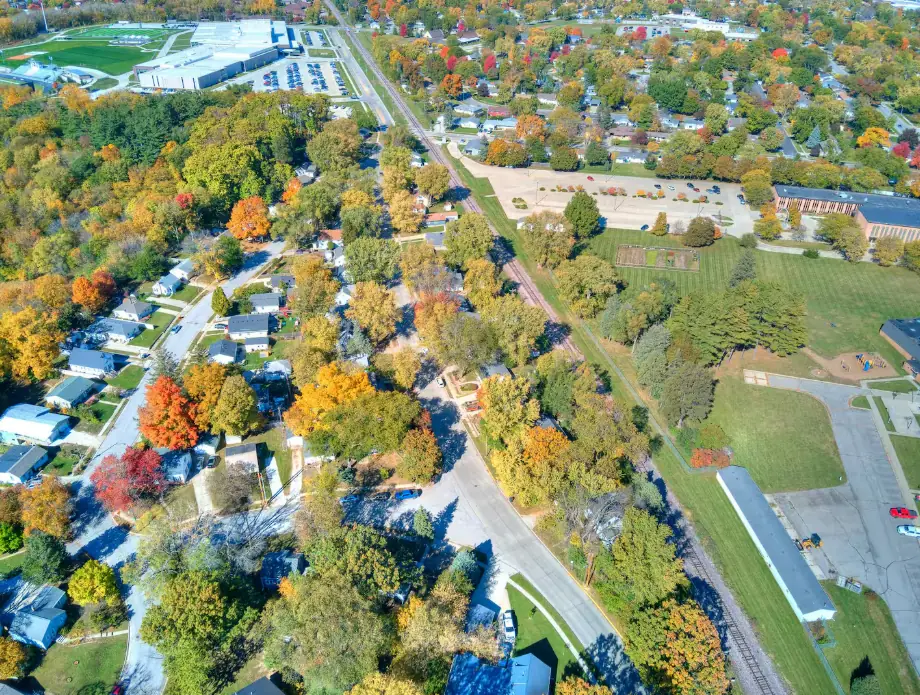
You crest a gravel rise expecting the usual corn-and-soybean patchwork Iowa gets teased for, and instead the river valley below has gone up like somebody knocked a box of crayons into a campfire — reds, ambers, a stubborn oak still holding out in rust. That's the thing nobody warns out-of-staters about: the best fall color in iowa isn't a distant leaf-peeping pilgrimage, it's a forty-minute drive from Des Moines that most people blow past on their way to somewhere flatter. You just have to know which roads to point the car down, and roughly when.
Central Iowa peaks somewhere in the back half of October most years, but "most years" is doing a lot of work in that sentence. A warm September pushes it late; an early cold snap lights it up fast and drops the leaves before you've booked the weekend off. So the honest answer is: aim for late September through October, then check a current color report before you commit to a date.
Still reading? Good. You're the kind of person who wants the actual roads and not a stock photo of a maple. Here's the local's version.
Why the color hides in the river valleys
Iowa's reputation is flat and farmed, and a lot of it is. But color needs trees, and the trees are where the plow couldn't go — the steep-sided river valleys, the timber that never got cleared, the ravines the Des Moines and Skunk and Raccoon rivers carved out over a few thousand patient years. That's your map. Follow the water, find the woods, find the color.
The open ground turns too, in its own way — soybean fields go gold, then brown, and there's a particular slant of afternoon light on cut cornstalks that hits harder than it has any right to. But if you want the postcard, the reds and oranges people picture, you're looking for hardwoods: maples, oaks, hickory. And those live in the valleys.
Ledges State Park: the canyon most Iowans forget they have
If you do one drive, do this one. Ledges State Park, just south of Boone, is a genuine sandstone canyon — narrow, steep, timbered top to bottom — and in mid-to-late October it turns into the kind of place that makes people quietly reconsider what they thought Iowa was. The park road drops right down into the gorge and crosses the creek at low fords, so you're inside the color, not just looking at it from a scenic pullout.
Bring shoes you don't mind getting wet. The canyon-floor crossings are shallow and half the fun, and the overlooks up top give you the whole valley at once. Go on a weekday morning if you can, because on a peak-color weekend every Iowan with a phone camera has the same idea, and the little fords get their own gentle traffic jam.
The best fall weekends here aren't planned three months out — they're planned three days out, once you can see what the leaves are actually doing. That's exactly the kind of last-minute, whole-home flexibility we're built to give people.
Want the full breakdown before you go? We wrote a whole local's guide to Ledges State Park with the trails, the fords, and where to park.
The High Trestle Trail bridge: fall color in Iowa from 13 stories up
This one's a walk, not a drive, and it's worth trading the steering wheel for a bit. The High Trestle Trail crosses the Des Moines River valley on a former railroad bridge near Madrid — half a mile long, roughly thirteen stories over the water, wrapped in a steel art frame that looks like you're walking through a tunnel of ribs. In fall, the valley underneath goes full color, and the whole thing is the sort of view that makes a Tuesday-morning walk feel like an event.
It's an easy, flat, paved trail, so you can bring the kids, the grandparents, and the one friend who insists they "don't really hike." Park at the Madrid trailhead, walk out to the bridge, take the pictures, walk back. If you'd rather do the longer version, the High Trestle Trail guide lays out the trailheads and the ride between towns.
Saylorville, the backroads, and the small-town loops
Once you've done the marquee spots, the good stuff is just wandering. A few that reliably deliver:
- Saylorville Lake. The timber and shoreline north of Des Moines light up nicely, and the overlooks near the dam give you water plus color in one frame. Easy loop, easy afternoon.
- Des Moines River valley backroads. Anywhere the road bends to follow the river, slow down. The blacktops and gravels between Boone, Madrid, and Woodward string together enough valley views to fill a tank of gas.
- Small-town loops. Point the car at a town square you've never seen — through Boone, over toward Woodward, down into the river towns — and let the drive between them be the point. Half the color is in the getting-there.
None of this needs an itinerary. Pick a direction with water on the map, keep the tank above half, and stop whenever a hillside makes you say something out loud in an empty car. For a broader hit list beyond the drives, our roundup of fall activities across Iowa covers the orchards, festivals, and the rest.
Timing, and what to actually bring
The timing question is the one everybody gets wrong, so here's the plain version: peak color moves a little every year, and it moves fast once it starts. Don't lock an exact date off a calendar or an old blog post — check a current fall-color report the week you're going, and be ready to shift a weekend either direction. The color doesn't wait for your PTO.
What to bring, learned the hard way:
- Layers. A crisp Iowa fall morning and a warm afternoon can be twenty-plus degrees apart. Dress for both.
- Shoes that can get muddy. The best overlooks and the Ledges fords don't care about your good sneakers.
- A real coffee thermos. Gas-station cups don't survive a gravel road. This is not a metaphor.
- Snacks and a full tank. The best backroads are proudly nowhere near a drive-thru.
- A flexible attitude. Clouds happen, peak slips a week, a field you loved got harvested. Roll with it — the next hill's still there.
Why a whole-home beats a hotel for leaf season
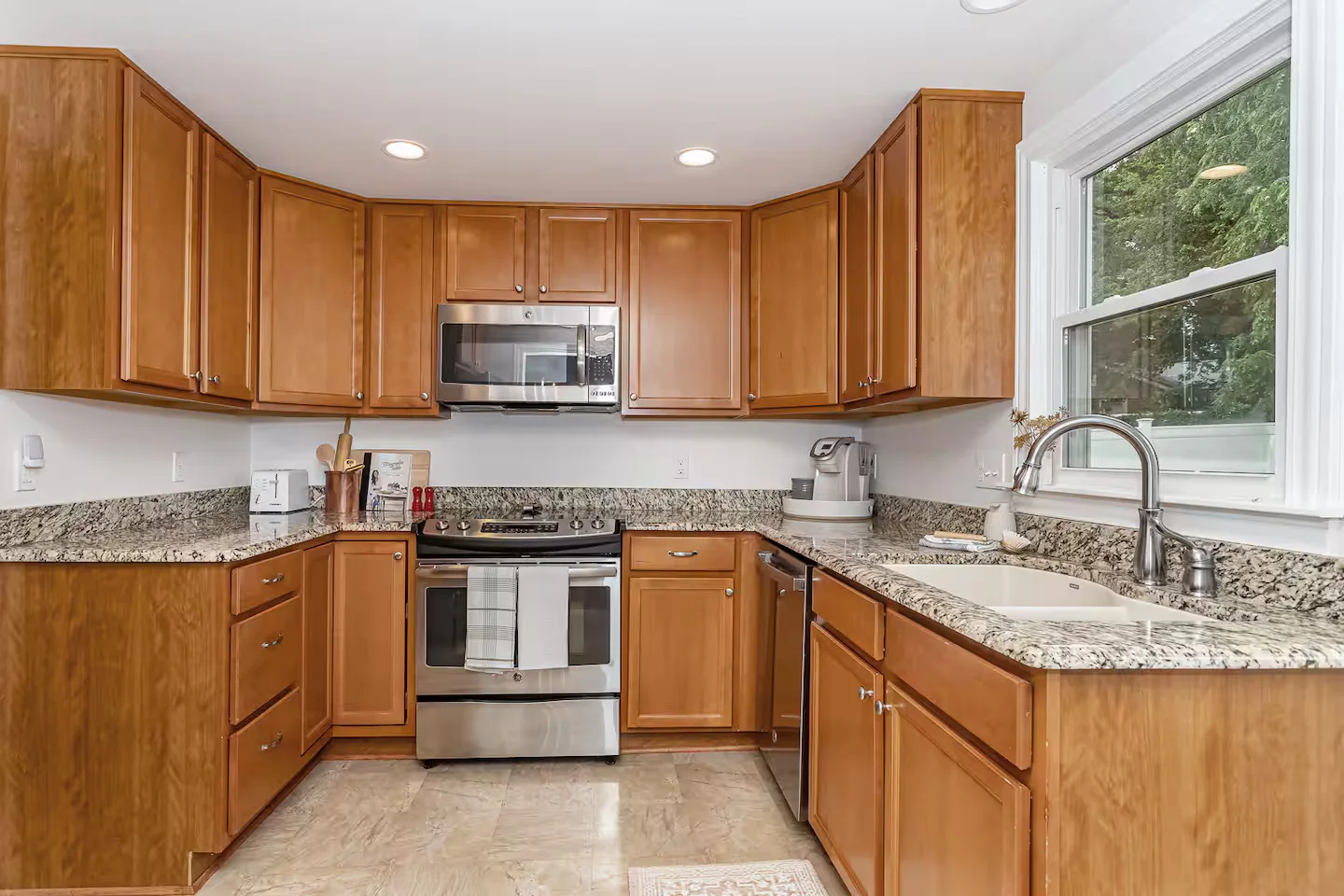
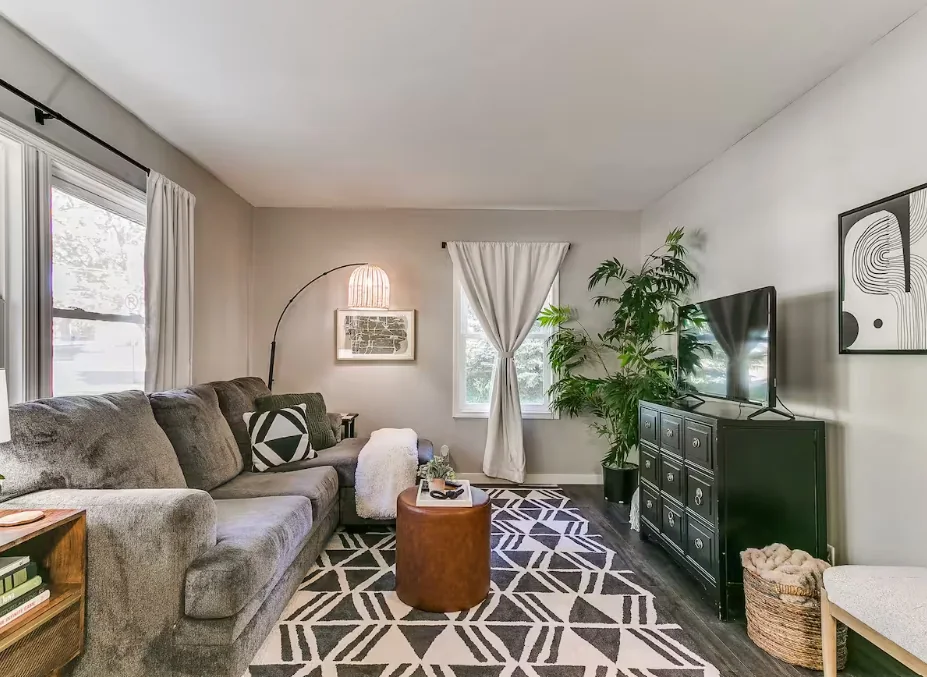
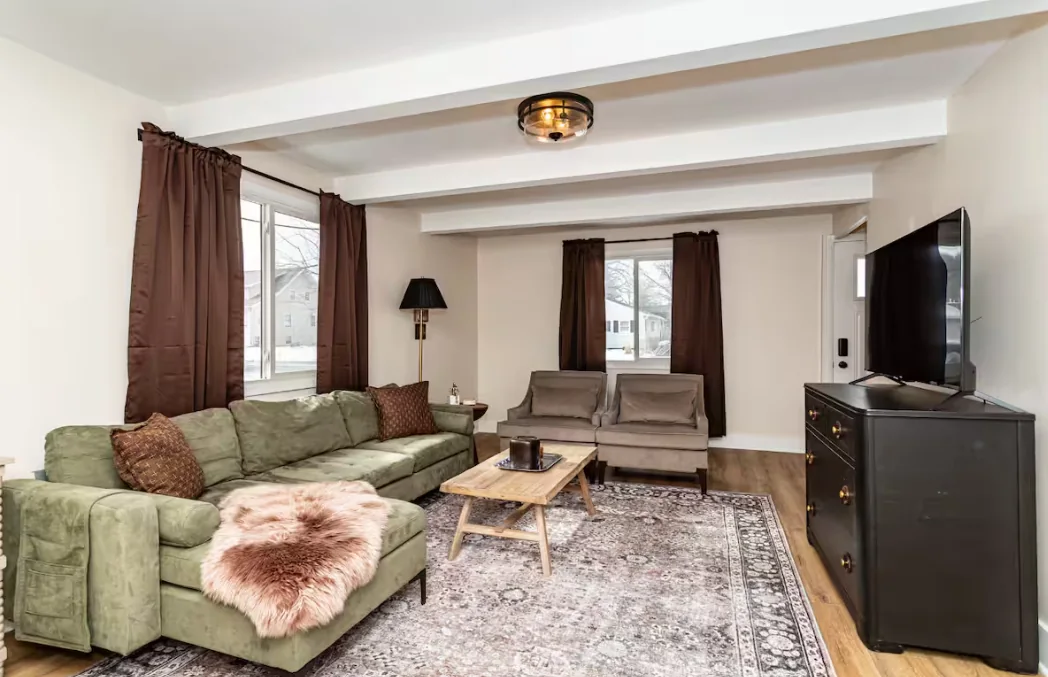
Here's where I'll show my hand. Leaf-peeping is a chase — you're out at first light for the good color, back for lunch, out again when the afternoon sun goes low and gold. A hotel room fights that rhythm. A whole-home rental feeds it: a real kitchen so you're not hunting for breakfast before a dawn drive, a living room where six people can dry off after the Ledges fords, and a checkout you're not sprinting to beat.
You own the weekend; we handle the house. Base yourself somewhere central in the Des Moines and Ames corridor and every spot in this post is a short drive — the canyon, the bridge, the lake, the backroads, all of it within reach of one comfortable front door. That's the whole pitch: less logistics, more color.
Book your leaf-peeping base
Central Iowa's fall is short, loud, and better than the flyover reputation lets on — you just need a comfortable place to land between drives. Set yourself up right and the color does the rest.
Ready to chase it? Book a Stay-A-While home as your leaf-peeping base and spend the weekend on the backroads instead of in a hotel lobby.
Fall Color in Iowa FAQ
When is the best time to see fall color in Iowa?
Central Iowa usually peaks in the back half of October, but it shifts every year — a warm September pushes it later, an early cold snap lights it up fast and drops the leaves early. Aim for late September through October and check a current fall-color report the week you plan to drive.
Where is the best fall color in Central Iowa?
Look in the river valleys and wooded parks, not the open farmland. Ledges State Park's sandstone canyon near Boone, the High Trestle Trail bridge over the Des Moines River valley near Madrid, the timber around Saylorville Lake, and the backroads that follow the rivers all deliver the reds and golds people picture.
Is the High Trestle Trail bridge worth visiting in fall?
Yes. The bridge crosses the Des Moines River valley on a former railroad line near Madrid, roughly thirteen stories above the water, and in fall the valley below goes full color. It's a flat, paved, easy walk from the Madrid trailhead, so it works for kids, grandparents, and non-hikers alike.
Why stay in a whole-home rental for a leaf-peeping trip?
Leaf-peeping is a chase — out early for the best color, back midday, out again when the light goes gold. A whole-home rental fits that rhythm with a real kitchen for early starts, room for the group to spread out and dry off, and no hotel checkout to sprint against. Base yourself centrally and every drive is a short hop away.