The BRRRR Method, Explained Straight — Including the Parts the Seminar Skips

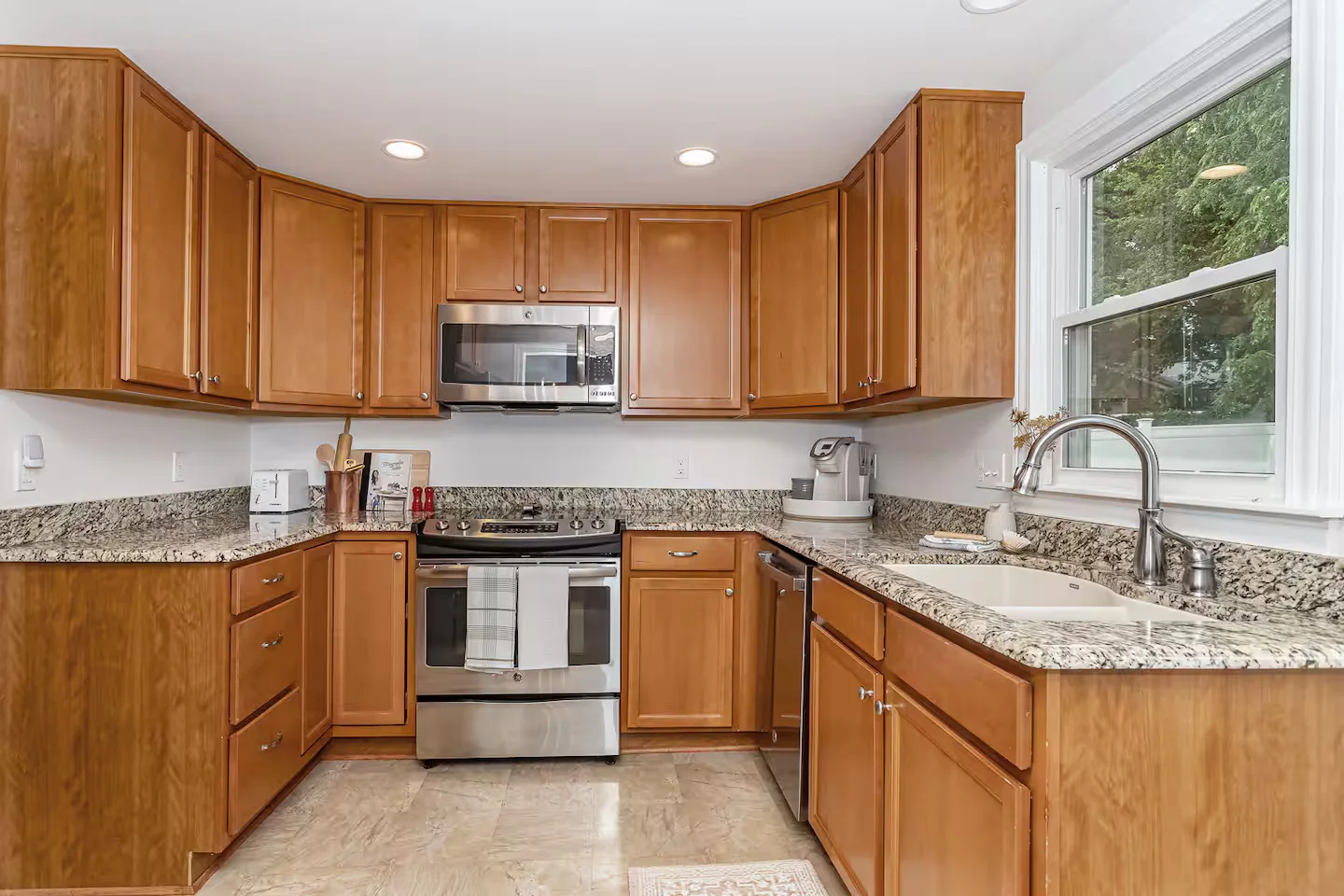
A rehab timeline is the only estimate in America that ages worse than a gym membership bought in January. It's the second Thursday of what was supposed to be a three-week project, you're standing in a kitchen with no cabinets and one working outlet, holding a coffee that went cold an hour ago, and your contractor says the word "so" before a sentence — which is never the start of good news. Meanwhile the hard money clock keeps ticking, because you're running the BRRRR method, and the brrr method has a very specific opinion about how long you're allowed to stand in a kitchen. It doesn't care that the subfloor had a surprise. Here's the honest version of the strategy nobody puts on the seminar slide.
The 10-second answer
BRRRR stands for Buy, Rehab, Rent, Refinance, Repeat. You buy a property that needs work, fix it so it's worth more than you put in, get it rented, refinance based on the new value to pull your original capital back out, and go do it again with that same money. It's a real strategy. It hinges entirely on the refinance, and the refinance hinges on things you don't control.
Still with me? Good — because the letters are the easy part. Everybody can recite them. The part that decides whether this works is buried in step three, which is the one most investors treat like a formality.
The BRRRR method, one letter at a time
Five steps. Each one is a place the whole thing can quietly stop working.
- Buy. You buy something that needs work — priced below what it'll be worth fixed. Often with short-term or cash-ish financing, because a bank isn't thrilled about a house with no kitchen. Your entire margin is set right here, at the purchase. Everything downstream is just protecting it.
- Rehab. You fix it. Not to your taste — to the value. The goal is forcing appreciation: making the property genuinely worth more than the purchase plus the work, so there's equity to borrow against later.
- Rent. You get a tenant or a guest in it and get it producing income. This is the step everyone rushes. This is also the step that decides whether the finished numbers hold. More on that in a minute, because I have feelings.
- Refinance. A lender orders an appraisal, looks at the new value, and writes a new long-term loan against it. That loan pays off what you used to buy and fix, and ideally hands you back most of the cash you started with. This is the whole point of the exercise.
- Repeat. You take that same capital and go buy the next one. The dream is a portfolio built on one down payment, recycled.
That's it. Elegant on a whiteboard. Reality is less elegant, mostly around letters two and four.
Why the refinance is the whole point
Strip everything else away and BRRRR is one bet: I can make this property worth enough that a lender will hand my money back.
Without that, you didn't run the BRRRR method. You bought a rental. Which is fine! Owning a rental is a perfectly good thing to do. But you did it with your capital locked in a wall, and locked capital can't go buy the next house. The refinance is what turns one deal into a repeatable machine instead of a one-time purchase with extra steps.
Which is why the appraisal matters more than anything you'll agonize over at the tile store. An appraiser doesn't care what you spent. They care what comparable properties sold for. You can pour money into a house and have the market politely disagree about what that bought you.
And I'll say the obvious thing because it needs saying: I'm an operator, not a lender. Loan products, seasoning requirements, what an appraisal will support — those are conversations for an actual lender, ideally before you buy, not after the drywall's up. Same for your agent on comps and your attorney on the paperwork. I run properties. Let the money people talk money.
The risks nobody puts on the seminar slide
Three things break this strategy, and they're all boring.
- The rehab runs long. Not "might." Does. Every extra week is carrying cost on a property producing exactly zero, and the surprises are never in the fun categories. It's never "we found gold." It's the panel, the sewer line, the thing behind the other thing.
- The appraisal doesn't come in. This is the one that actually kills deals. If the value lands short, the refinance hands back less than you planned — and now your capital is stuck in a house instead of buying the next one. The chain stops. Repeat becomes "wait."
- The rent step gets treated as an afterthought. The quiet killer. And the one that's actually yours to control.
Everybody plans the rehab down to the cabinet pull and treats "Rent" like a light switch you flip at the end. It isn't a switch. It's the only step that has to keep working every month for the next ten years.
The "Rent" in the brrr method isn't a step — it's the business
Here's what five-plus years and 60-plus properties taught me: Buy, Rehab, and Refinance are events. They happen once and they're over. Rent is a condition. It's ongoing, and it's what every number in your model rests on.
An income assumption you made in a spreadsheet in March is not income. It's a hope with a font. And the gap between projected rent and actual collected rent — after vacancy, after turnover, after the month something breaks — is where BRRRR deals quietly stop penciling. Worth reading our honest take on rental properties for passive income before you build a model on the optimistic version.
It also feeds back into step four. Income supports value. A property with a real, documented operating history is a different conversation with a lender than a property with a plan. If you want to pressure-test your assumptions properly, start with how to calculate cap rate and be honest about the NOI — that's the number everyone quietly rounds up.
Running the Rent leg as a short-term rental
Now the part I actually know something about. That "Rent" step doesn't have to mean a twelve-month lease. In the right location — near a campus, a hospital, a downtown, an event calendar — running it as a furnished short-term rental can change the income picture on the same four walls.
Say, hypothetically, you've got a three-bed you rehabbed near a demand driver. The long-term lease number is one thing. The short-term number is a different thing, driven by nightly rate and how many nights you actually book. It might be better. It might not. It depends on the market, the property, and the operating — and anyone who tells you otherwise from a stage is selling a stage. We laid the real math out in is Airbnb profitable.
But here's the honest catch, and it's the whole reason I'm writing this: a short-term rental is not a passive step in a five-step plan. It's an operating business. Pricing, guest comms, turnover cleaning, maintenance, compliance, reviews. Higher revenue potential, higher operational load, and a furnishing bill that comes before any of it. That's not a warning against it. It's a warning against penciling STR income into a BRRRR model while budgeting zero hours to run it.
The bottom line
The BRRRR method works. It's not magic and it's not a scam — it's a legitimate way to recycle capital, and plenty of people have built real portfolios on it. It just has more failure points than the acronym suggests, and the two that get people are an appraisal that doesn't cooperate and a Rent step that was never really planned.
Get your lender in the conversation early. Be conservative on the rehab timeline, because you will be wrong about it anyway. And treat the R that repeats every month with the same seriousness as the ones that only happen once.
If the STR version is what you're weighing, that's the part we can help with — five-plus years across Central Iowa, 700-plus reviews at a 4.85★ average, and we'll tell you straight if your property isn't a fit. You own it; we run it. Grab a free estimate and we'll give you real numbers for your address instead of a whiteboard.
BRRRR Method FAQ
What does BRRRR stand for in real estate?
Buy, Rehab, Rent, Refinance, Repeat. You buy a property that needs work at a price below what it will be worth once fixed, rehab it to force appreciation, get it rented and producing income, then refinance against the new value with a long-term loan that pays off what you used to buy and rehab it. If the numbers work, that refinance hands most of your original capital back so you can go do it again. The strategy is sometimes written with four R's, but the five-step version is the one most investors mean.
Why is the refinance the most important step in the brrr method?
Because it's the only step that recycles your capital. If the refinance doesn't return most of what you put in, you didn't run BRRRR — you just bought a rental with your money locked in the walls, and locked capital can't buy the next property. That makes the appraisal the pivot point of the whole strategy, and an appraiser cares about comparable sales, not about what you spent. Talk to a lender early about what they'll actually lend against and what their requirements are before you buy, not after the drywall is up.
What are the biggest risks of the BRRRR method?
Three, and they're all boring. The rehab runs longer than planned, which means more carrying cost on a property earning nothing. The appraisal comes in below what you needed, which shrinks or kills the cash-out and stops the chain. And the Rent step gets treated as an afterthought — an income assumption made in a spreadsheet is not income, and the gap between projected rent and actually collected rent after vacancy and turnover is where these deals quietly stop penciling.
Can you use a short-term rental for the Rent step?
Yes, and in the right location — near a campus, a hospital, a downtown, a real event calendar — it can change the income picture on the same four walls. But be honest with yourself about what you're signing up for. A short-term rental is an operating business, not a passive step in a five-step plan: pricing, guest communication, turnover cleaning, maintenance, compliance, and reviews all have to work every month. There's also a furnishing bill that lands before any revenue does. Higher potential, higher operational load. Don't pencil STR income into a model while budgeting zero hours to run it.