
Airbnb Arbitrage: How It Really Works, and Where It Bites
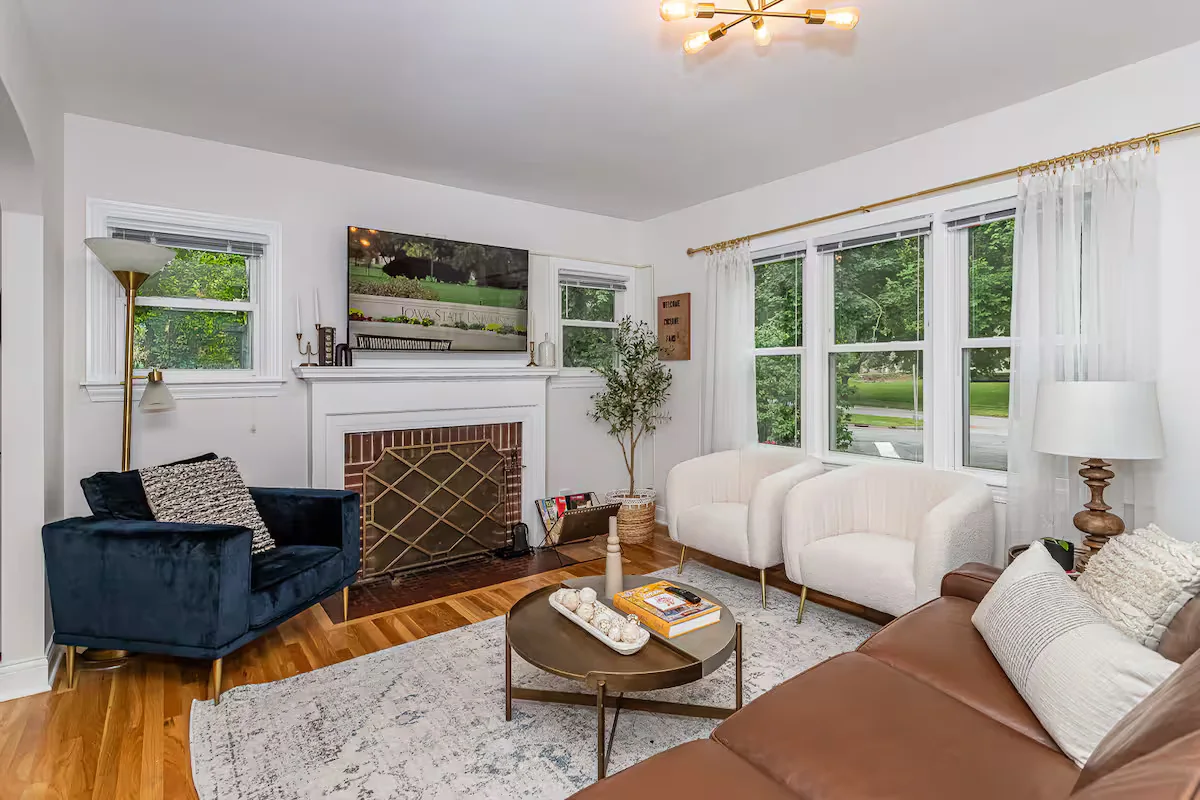
Airbnb arbitrage is the real-estate version of renting a tuxedo and then charging people to wear it to weddings. You don't own the suit. You're paying someone else for the right to use it, and your whole business model is that you can rent it out for more than it costs you to keep it — without the owner deciding mid-season they'd rather have it back. Picture a quiet Thursday: you've just signed a lease on a tidy two-bedroom, the keys are in your hand, and your plan isn't to live there. Your plan is to furnish it, list it on Airbnb, and pocket the spread between what you pay the landlord and what guests pay you. That's airbnb arbitrage in one breath — and it works exactly until one of three things you didn't read carefully decides to introduce itself.
The honest version: arbitrage means you lease a property, get the landlord's written permission to sublet it short-term, furnish it, and re-list it on Airbnb or VRBO. You keep the difference. You own none of the asset. That last part is the whole personality of the strategy — the upside and the catch.
Still reading? Good — because the brochure version of arbitrage skips every paragraph that matters. Let's go through how it actually works, and where it bites.
How airbnb arbitrage actually works
Strip the hustle-bro packaging off it and the model is four steps:
- Find a property in a market with real short-term demand — a college town, a hospital corridor, a lake.
- Get written permission to sublet short-term. Not a wink. Not "the landlord seemed cool." A signed clause that says you may re-rent the unit on Airbnb and VRBO.
- Furnish and list it — beds, kitchen, wifi, photos, the works, all on your dime.
- Run it — pricing, guest messages, cleaning turns, maintenance — and keep the difference between your fixed rent and your variable nightly revenue.
The appeal is obvious: you skip the down payment, the mortgage, and the closing costs, and you can theoretically stand up several units for the price of furnishing them. The catch is just as obvious once you say it out loud — your costs are fixed and your revenue isn't. The landlord gets paid in January whether or not anyone booked in January.
Arbitrage is a great way to learn the operations of a short-term rental on someone else's mortgage. It's a rough way to learn them on a slow month with rent due and an empty calendar.
The real risks nobody puts on the webinar slide
I'm not here to talk anyone out of it — plenty of operators run arbitrage well. But it has a specific risk profile, and pretending otherwise is how people get hurt.
You need written landlord consent — full stop
This is the one that ends businesses. A lot of standard leases flatly prohibit subletting, and "short-term rental" is subletting with extra steps. List a unit without explicit written permission and you're one neighbor complaint away from eviction, a broken lease, and a furnished apartment you can't legally rent. Get it in writing, signed, specific to short-term use. A landlord who says yes verbally can say no by text on a Tuesday.
Local STR rules don't care whose name is on the deed
Iowa regulates short-term rentals at the city level, so the rules in Ames aren't the rules in Ankeny, Clear Lake, or Okoboji. Permits, lodging tax, occupancy caps, owner-occupancy requirements — they apply to the operator, not just the owner. Renting instead of owning doesn't exempt you from a single one. Always check with the city before you sign anything; we dug into the broader compliance picture in our guide to managing short term rentals.
The margins are genuinely thin
I won't quote you numbers, because they're property-specific and anyone who promises you a fat fixed spread is selling a course. But the math is structurally tight: you're paying market rent plus furnishing, supplies, cleaning, software, and your own time, and hoping nightly revenue clears all of it with room to spare. One slow season, one bad run of weather, one new competitor down the street, and the spread you were counting on gets thin fast. This is why revenue management and dynamic pricing matter even more in arbitrage than in ownership — there's no equity cushion underneath you, just the calendar.
You own none of the asset
When you own a short-term rental, a slow year still builds equity and the property is appreciating in the background. Arbitrage has none of that. You're building a business on top of an asset that will never be yours, and the day the lease ends — or the landlord sells, or decides not to renew — the income stops cold and you're left holding a moving truck full of furniture. It can be a real income stream. It is not wealth-building the way ownership is.
Airbnb arbitrage vs. owning vs. co-hosting
Three honest paths into short-term rentals, and they're not the same animal. Here's the plain-English comparison:
| Arbitrage | Own the property | Co-host | |
|---|---|---|---|
| Upfront cash | Lower — furnishing, deposit | Highest — down payment, closing | Lowest — it's a service |
| You own the asset? | No | Yes — equity & appreciation | No — it's someone else's |
| Who carries the risk | You — fixed rent, variable income | You — but you own the upside | The owner |
| Biggest gotcha | Landlord consent & lease terms | Capital tied up | Finding owners who'll hire you |
| The hard part either way | The operations | The operations | The operations |
Notice the bottom row. Whichever door you walk through, the day-to-day is identical — pricing, guest comms, turns, maintenance, compliance. The strategy decides who owns the building. The operations decide whether it makes money.
An operator's honest take
If you're new and cash-light, arbitrage can be a legitimate on-ramp — a way to learn the business before you tie up a down payment. I respect that. But I'd rather see someone start with one clean, well-located unit and learn it cold than spin up four leased units they can't staff, can't price, and can't cover in a slow month.
And here's the part people skip past on their way to the spreadsheet: arbitrage doesn't make the operations easier. If anything it makes them less forgiving, because there's no equity underneath a bad month. The thing that decides whether your unit nets real money — owned or leased — is the same thing it's always been: fast guest replies, a spotless turn every time, a price that moves with demand, and someone who picks up when the water heater quits on a Saturday. After 5-plus years and 500-plus reviews at a 4.85-star average across our Central Iowa portfolio, that pattern has never once changed. The strategy is the easy decision. The operations are the job. If you're weighing arbitrage against owning, our breakdown of how to become an Airbnb host walks the ownership path step by step.
The bottom line
Airbnb arbitrage is a real strategy with a narrow lane: it works when you have ironclad written landlord consent, you've cleared the local STR rules, you respect how thin the margins really are, and you're at peace with owning none of the asset. Run it eyes-open and it can pay. Run it on a handshake and a webinar's promises and it'll teach you an expensive lesson.
Either way — arbitrage, ownership, or co-hosting — the operations are the part that actually makes or breaks the numbers, and that's exactly the part we run. Get a free estimate and we'll tell you straight whether your market and your model pencil out. You own it — or lease it — and we run it.
Sam Brant
Sam has spent 5+ years managing 60+ short-term rentals across Central Iowa on both Airbnb and VRBO — 500+ guest reviews at a 4.85★ average — helping owners and investors grow smarter, not harder. More about Sam →
Airbnb Arbitrage FAQ
What is airbnb arbitrage?
Airbnb arbitrage is when you lease a property and re-rent it short-term on platforms like Airbnb and VRBO, with the landlord's written permission, keeping the difference between the rent you pay and the nightly income you earn. You own none of the asset; you're running a short-term rental business on top of a lease.
Is airbnb arbitrage legal?
It can be, but only if two things line up: your lease explicitly permits short-term subletting in writing, and you follow local short-term rental rules. In Iowa those rules are set city by city, so permits, lodging tax, and occupancy limits apply to you as the operator regardless of who owns the property. Without written consent and local compliance, it isn't legal.
What are the biggest risks of airbnb arbitrage?
The four big ones: you need genuine written landlord consent or you risk eviction and a broken lease; local STR regulations apply to you even though you don't own the property; the margins are structurally thin because your rent is fixed while your income isn't; and you build no equity, so when the lease ends the income stops. Run it eyes-open or it gets expensive fast.
Is arbitrage better than just owning a short-term rental?
It depends on your goals. Arbitrage needs less upfront cash and can be a good way to learn the business, but it builds no equity and carries more downside in a slow month. Owning ties up more capital but the property appreciates and you keep the upside. Either way the operations, pricing, guest comms, turns, and maintenance, are what actually determine whether it makes money.

Arbitrage or own, the operations are the hard part
Whether you lease a unit or own it outright, the day-to-day is what decides if it pays. We run pricing, guests, turns, and compliance across Central Iowa so you don't have to.
More from the blog

Managing short term rentals: an owner's field guide
The five jobs behind every smooth-running rental, and the systems that make it hands-off.

Airbnb revenue management explained
Why the right nightly price beats a full calendar, and how dynamic pricing actually works.
How to become an Airbnb host
From empty room to first booking — the setup that gets you live and earning.