What Is Glamping? Types, Costs, and Where to Go in Iowa
Your sleeping bag smells like a decision you made in 2014 and your air mattress has a slow leak that only reveals itself around 2am. There is a better way. It is called glamping, short for glamorous camping, and it has quietly turned "sleeping outside" from a character-building ordeal into something people actually look forward to. About 1.8 million Americans went glamping in 2024, and the number keeps climbing.
Still reading? Good. Because there are more types of glamping than you think, the Iowa options are better than you would guess, and the whole thing costs less than most people assume.
What does glamping mean?
Glamping is a portmanteau of "glamorous" and "camping." The word first showed up in the UK around 2005 and hit mainstream use in the U.S. by 2016, according to Glamping.com's history of the term. The concept itself is much older. Think luxury safari tents in East Africa dating back over a century, or the elaborate canvas camps that European royalty dragged through the countryside. Humans have been making camping comfortable for as long as they have been complaining about camping.
The modern version just means: you sleep somewhere scenic, in a structure nicer than a tent, with amenities that make the outdoors feel less like a punishment. The specifics vary wildly.
Types of glamping accommodations
Glamping is not one thing. It is a category that covers everything from a canvas tent with a real mattress to a climate-controlled treehouse with Wi-Fi. Here are the most common types you will find.
| Type | What to expect | Best for |
|---|---|---|
| Safari tent | Canvas walls, real bed, sometimes a deck and private bathroom | Couples, first-time glampers |
| Yurt | Circular, wood-framed, insulated. Often has electricity and heat | Year-round stays, groups |
| Treehouse | Elevated cabin in or among trees. Varies from rustic to luxury | Families, bucket-list trips |
| Cabin | Traditional structure with full amenities. The least "camping" option | Anyone who wants nature + comfort |
| Geodesic dome | Transparent or semi-transparent dome with bed and skylight views | Stargazing, Instagram, romance |
| Airstream / trailer | Vintage or modern trailer, fully outfitted | Road-trip vibes without driving |
| Tiny house | Compact, fully functional home usually under 400 sq ft | Minimalists, couples |
The common thread: a real bed, solid shelter, and at least some modern amenities. Beyond that, the experience ranges from "camping plus" to "boutique hotel that happens to be in a forest."
Glamping vs. camping: what you actually gain
Nobody is here to trash camping. Camping is great. Camping is also the reason you own a sleeping bag that smells like 2014. Glamping keeps the parts people love and removes the parts that make people swear they will never do it again.
- Sleep quality. Real mattress, real pillows, real blankets. You wake up feeling like a person instead of a question mark.
- Weather protection. Solid walls or heavy-duty canvas that does not collapse in a storm. Climate control in many setups.
- Bathroom access. Private or nearby. No headlamp walks through the woods.
- Setup time. Zero. You show up, your shelter is already there, and nobody has to read instructions in the dark.
- Packing list. Shorter. Much shorter. Most glamping sites provide bedding, towels, cookware, sometimes even food.
What you give up: the bragging rights of surviving something uncomfortable. Some people value those. No judgment either way.
Glamping in Iowa: better than you think
Iowa does not get credit for its outdoor options. That is fine. Fewer crowds, better availability. Here are a few spots worth knowing about.
Honey Creek Resort at Rathbun Lake has yurts and cabins with lake views and is run by the Iowa DNR. It is one of the more polished glamping-adjacent options in the state. Backbone State Park, Maquoketa Caves, and Pikes Peak State Park all have cabins that land somewhere between traditional camping and glamping depending on the unit.
Private glamping sites are growing in Iowa too. Yurts, treehouses, and converted barns are showing up on booking platforms across the state, especially near scenic areas like the Loess Hills and the Driftless Region.
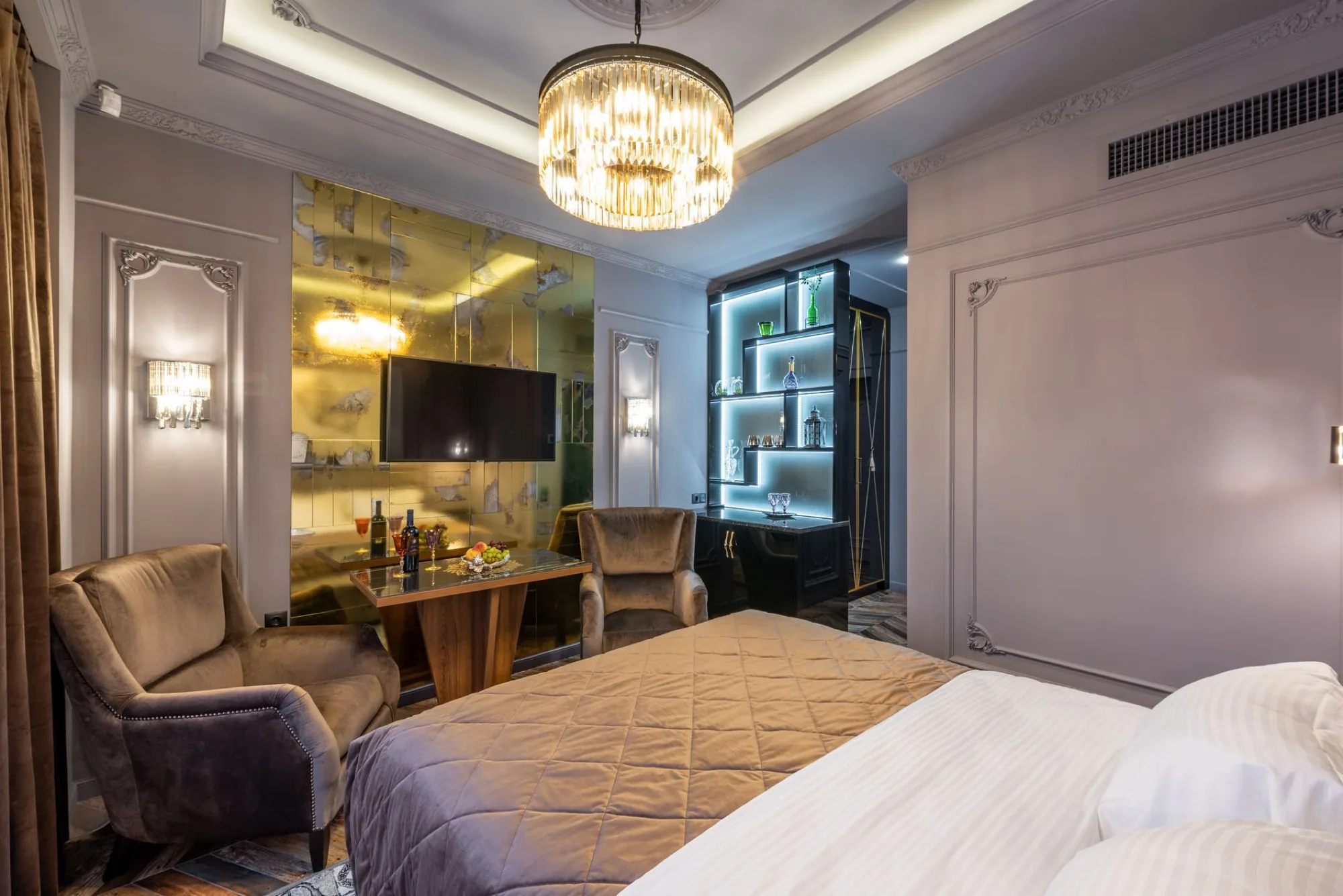
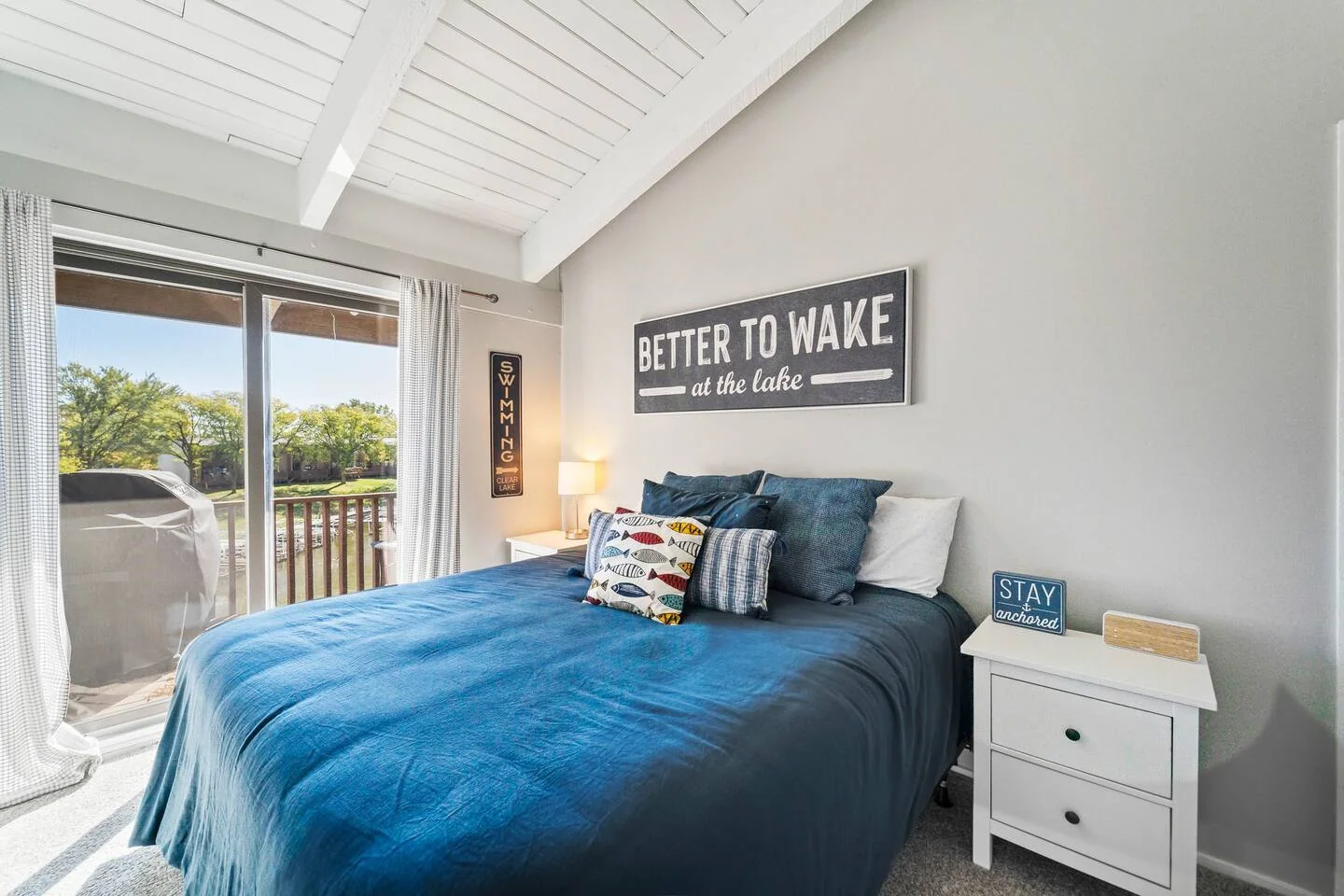
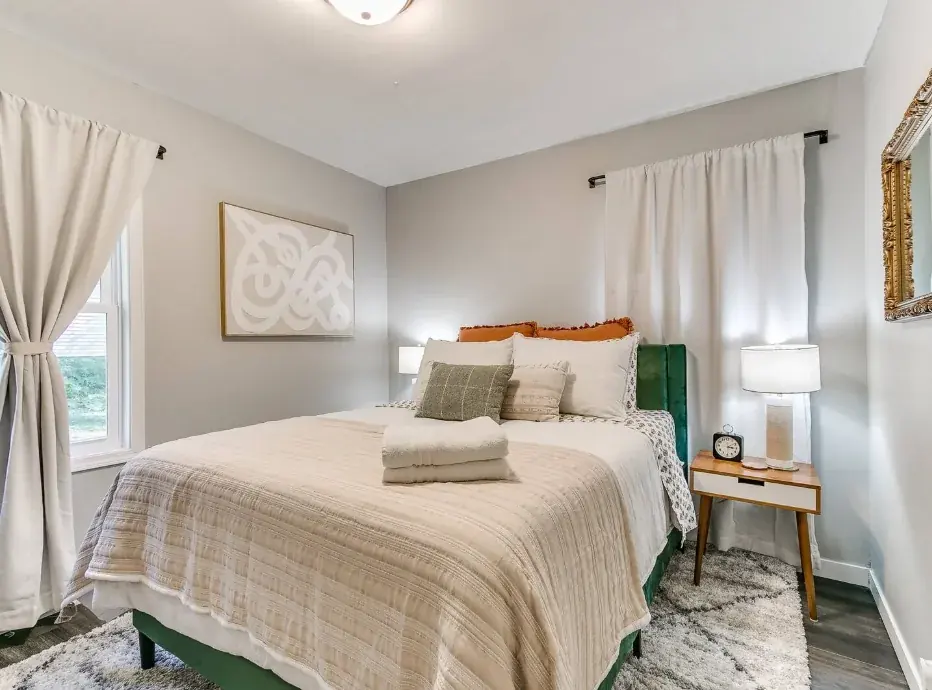
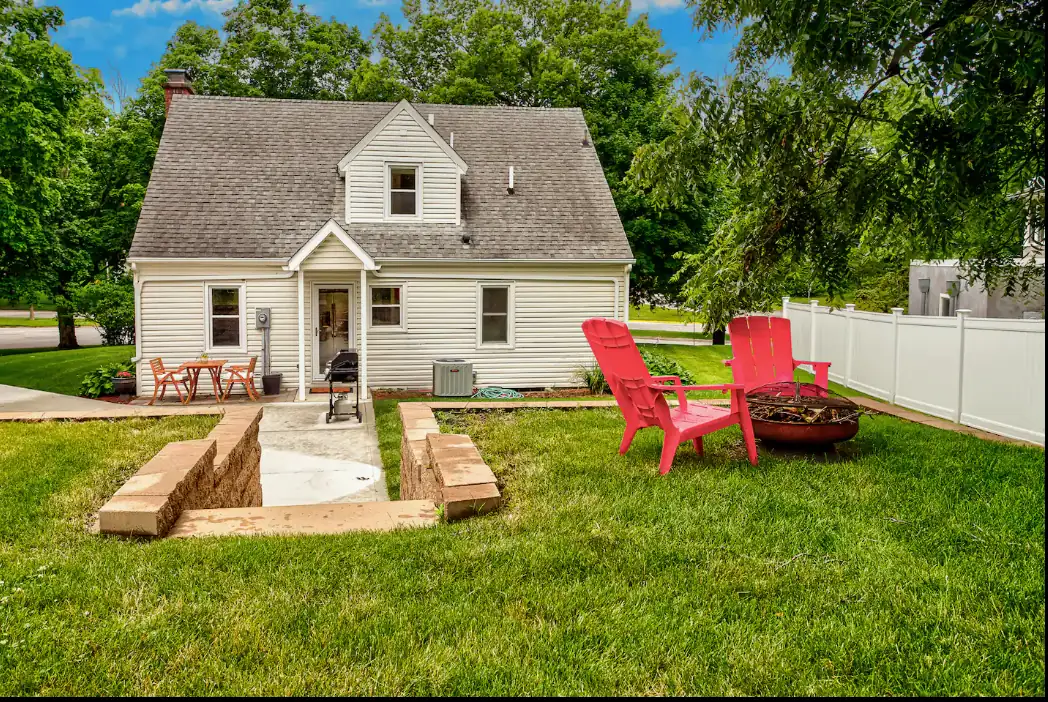
And if your version of "glamping" is really just "I want a comfortable place to stay somewhere scenic without a hotel lobby," that is what we do. Stay-A-While manages short-term rental properties across Central Iowa that give you the space of a full home with none of the tent drama. Real kitchen, real bathroom, real bed. Just no campfire. (You can find one nearby.)
What to pack for a glamping trip
The packing list for glamping is blissfully short compared to traditional camping. Most of the heavy stuff is already at the site. That said, a few things are worth bringing.
- Layers. Mornings and evenings get cold, even in summer. Especially in Iowa.
- Headlamp or flashlight. Paths between your unit and common areas may not be well-lit.
- Bug spray. Nature does not care how nice your yurt is.
- Chargers and a portable battery. Some sites have limited outlets.
- Groceries if the site has a kitchen. Check in advance. Some sites stock basics, most do not.
- A book. You will have time. That is the whole point.
What to leave at home: the tent, the air mattress, the camp stove, and the relationship stress that comes with assembling all three.
How much does glamping cost?
It depends on the type and location, but expect to pay more than a campsite and less than a hotel in most cases. A safari tent or yurt at a mid-range site typically runs $100 to $250 per night. Luxury treehouses and domes can hit $300 to $500. Basic glamping cabins in state parks can be under $100.
For context, a campsite at an Iowa state park is around $16 to $26 per night, and a mid-range hotel in Des Moines runs $120 to $180. Glamping sits in that middle ground where you are paying for comfort and scenery without the full hotel markup.
Glamping FAQ
What does glamping mean?
Glamping is short for glamorous camping. It refers to outdoor accommodations that offer real beds, solid shelter, and modern amenities like electricity and running water, while still being set in natural, scenic locations.
Is glamping just for couples?
Not at all. Cabins and yurts work well for families and groups. Treehouses and domes tend to skew toward couples, but the category is broad enough to fit any group size. Check the specific listing for capacity.
Do you need camping experience to go glamping?
No. That is kind of the point. Everything is set up for you. If you can check into a hotel, you can check into a glamping site. Some basic outdoor awareness helps (bring layers, watch for wildlife), but no technical skills are required.
What is the best time of year to go glamping in Iowa?
Late spring through early fall (May to October) is the sweet spot. Summer gives you the longest days and warmest nights. Fall brings color and cooler temps that make a fire pit feel perfect. Winter glamping exists in insulated yurts and cabins, but check that the site stays open year-round.
Is glamping worth the price?
If you want the outdoors without the discomfort, yes. You are paying for the setup, the location, and the fact that you do not have to haul, assemble, or pack anything. For people who would otherwise skip camping entirely, glamping opens up trips that would not happen otherwise.
Can you go glamping near Des Moines?
Yes. Honey Creek Resort is about two hours south at Rathbun Lake. Closer options include private yurts and cabins listed on booking platforms within an hour of the metro. The selection is growing as more landowners convert unique structures into glamping stays.
The bottom line
Glamping is camping with the hard parts removed. Real beds, real shelter, real amenities, and all the nature you came for. It works for couples, families, and groups, it exists at every price point from $80 cabins to $500 treehouses, and Iowa has more options than most people realize.
If your ideal trip is "somewhere comfortable, scenic, and not a hotel," take a look at our properties across Central Iowa. Full homes, full kitchens, real beds. The only thing missing is the campfire, and there is probably a fire pit within a short drive.
Glamping FAQ
What does glamping mean?
Glamping is short for glamorous camping. It refers to outdoor accommodations with real beds, solid shelter, and modern amenities like electricity and running water, set in natural and scenic locations.
Is glamping just for couples?
Not at all. Cabins and yurts work well for families and groups. Treehouses and domes tend to skew toward couples, but the category fits any group size. Check the specific listing for capacity.
Do you need camping experience to go glamping?
No. Everything is set up for you. If you can check into a hotel, you can handle a glamping site. Basic outdoor awareness helps, like bringing layers and watching for wildlife, but no technical skills are required.
What is the best time of year to go glamping in Iowa?
Late spring through early fall, roughly May to October. Summer gives you the longest days. Fall brings color and cooler temps perfect for a fire pit. Winter glamping exists in insulated yurts and cabins if the site stays open.
Is glamping worth the price?
If you want the outdoors without the discomfort, yes. You pay for setup, location, and not hauling or assembling anything. For people who would skip camping entirely, glamping opens up trips that otherwise would not happen.
Can you go glamping near Des Moines?
Yes. Honey Creek Resort is about two hours south at Rathbun Lake. Closer options include private yurts and cabins on booking platforms within an hour of the metro. The selection keeps growing.