
Landlord Friendly States: The Factors That Actually Matter
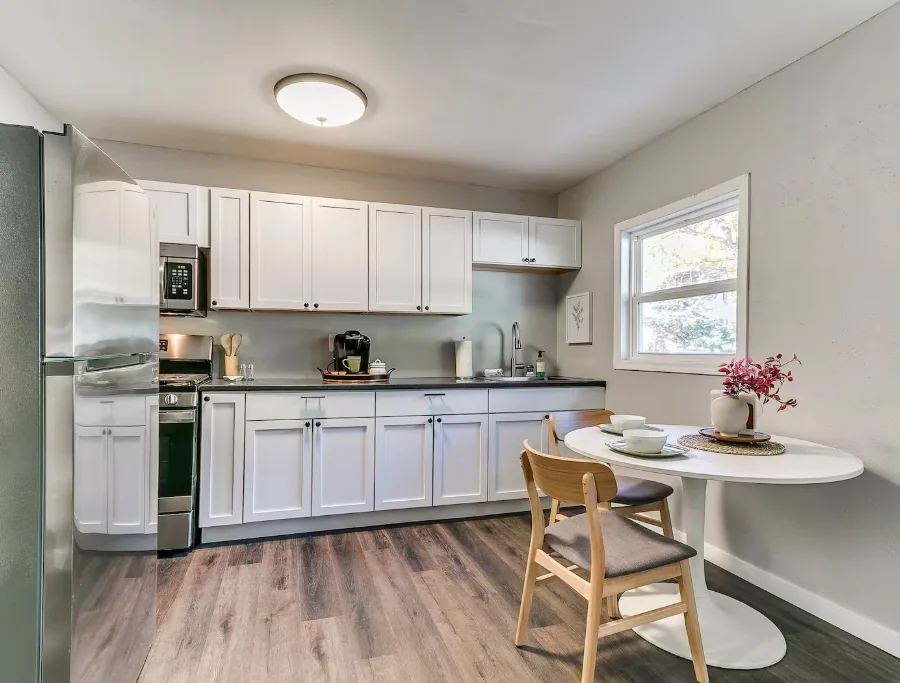
Open six browser tabs of "best landlord friendly states" listicles and you'll get six different answers, ranked in six different orders, each one very confident. It's a Tuesday night, you've got a deal you almost like sitting in another tab, and instead of underwriting it you're refereeing an argument between strangers on the internet about whether Texas beats Florida beats Indiana. I've watched investors burn a whole evening on this. So let me save you the tab-hopping: the state matters, but not the way a ranking pretends it does. What actually makes a state "landlord friendly" is a handful of factors you can look up yourself — and how well you operate inside that state matters just as much.
Here's the honest version. "Landlord friendly" isn't a trophy a state either has or doesn't. It's a bundle of specific rules — how fast you can evict, what you can do with a deposit, whether rents are capped, what the tax climate feels like, and how much paperwork stands between you and a legal rental. Learn to read those, and you stop needing anyone's Top 10.
The 15-second answer
A state reads as landlord friendly when the eviction process is clear and reasonably quick, security-deposit and lease rules are predictable, there's little or no rent control, the property-tax and insurance climate is manageable, and the regulatory burden to operate is low. Weigh those factors together instead of trusting a single ranking — and verify the current laws, because they change.
Still reading? Good — because the difference between a market that treats you fairly and one that quietly taxes your patience lives in the details nobody puts in the headline. Let's walk the factors.
What actually makes landlord friendly states friendly
After 5-plus years running 60-plus rentals across Central Iowa, I've learned that the questions worth asking about any market are boringly consistent. These are the levers underneath every "friendly" or "unfriendly" label:
- The eviction process and timeline. When a tenant stops paying or breaks the lease, how clear is the path to getting your property back, and how long does it realistically take? States with a defined, predictable process are the ones investors call friendly.
- Security-deposit rules. Caps on how much you can hold, deadlines to return it, and what you can legally deduct. Tighter, more punitive rules mean more risk of getting dinged on a technicality.
- Rent control (or the lack of it). Most of the states investors favor have little or no rent control, so you can price to the market. Where caps exist, your upside gets a ceiling bolted on.
- The property-tax and insurance climate. Two states can look identical on rent and wildly different after the tax bill and the insurance premium. This one quietly decides a lot of deals.
- Regulatory and licensing burden. How much registration, inspection, and ongoing paperwork it takes to operate legally. More hoops, more friction, more ways to trip.
Notice that none of these is a single number. A state can have great eviction law and a brutal tax climate, or the reverse. That's exactly why the rankings never agree with each other — they're all weighting these factors differently and calling it objective.
How to read those factors like an investor, not a listicle
The table below is how I'd actually think about it. Not scores — just the question each factor answers and why it hits your return.
| Factor | Why it matters to your return |
|---|---|
| Eviction process & timeline | A nonpaying tenant is lost rent every day you can't act. A clear, reasonable process caps your worst-case downside. |
| Security-deposit rules | Deadlines and deduction limits decide how exposed you are to disputes and penalties at move-out. |
| Rent control | Its absence lets you price to real demand; its presence puts a hard ceiling on your upside. |
| Property-tax & insurance climate | These come off the top every year, friendly rent or not. They quietly separate two "identical" deals. |
| Regulatory burden | More registration and inspection means more cost, more delay, and more ways to be out of compliance. |
Run any state you're considering through those five rows and you'll learn more in ten minutes than a week of ranked lists will teach you. And do it with current sources — laws shift session to session, so treat any article (this one included) as a map, not the territory. Confirm the specifics with the state's own statutes and your local jurisdiction before you write a check.
The best market in the country still loses money if it's run badly, and a "middling" one prints just fine when it's run tight. The state sets the rules of the game. You still have to play it well.
Where the Midwest and Iowa generally sit
Here's where I'll plant a flag, with the appropriate caveat. The Midwest is generally considered friendly territory for owners — Iowa included — largely because of the factors above: eviction processes that tend to be more predictable, no statewide rent control, and a cost-of-entry and tax picture that pencils more gently than the coasts. I say "generally considered" on purpose. It's the reputation, and it's a fair one, but it is not a guarantee about your specific address.
Because the thing a state-level label always hides is that the rules you actually live under are often local. A state can be friendly on paper while your particular city layers on registration, zoning limits, or short-term-rental rules that change the math entirely. We wrote a whole plain-English piece on how that plays out here in our guide to short-term rental regulations in Central Iowa, and the lesson generalizes: the state is the weather, the city is the day you actually have to go outside in.
Why the state is only half the answer
This is the part the rankings can't rank. A landlord friendly state lowers the difficulty setting. It does not run the property for you. Whether you're building a long-term buy-and-hold or chasing nightly rates, the returns still come down to operations — pricing, filling the calendar, clean turns, fast responses, and staying compliant with whatever the local rulebook says this year.
I've seen out-of-state investors pick a "top" market off a listicle, buy sight-unseen, and still underperform a neighbor in the exact same zip code — because one of them had someone on the ground who knew the market and the other had a spreadsheet and a prayer. If you're weighing whether the numbers even work before you get that far, our breakdowns of rental properties for passive income and whether an Airbnb is actually profitable are the honest math, no hype.
Local operating know-how is the multiplier. The friendliest state in the country is just a starting hand. What you do with it is the game.
The bottom line
Stop hunting for the one true ranking of landlord friendly states — it doesn't exist, because "friendly" is really five separate factors you have to weigh for yourself: eviction, deposits, rent control, taxes, and regulatory burden. Read those, verify the current law for your exact market, and remember that the Midwest and Iowa are generally considered friendly ground but still come down to how well the place is run.
Thinking about a Central Iowa property and want an operator's read on the numbers before you commit? Grab a free estimate and we'll tell you straight what it takes to run it well.
Sam Brant
Sam has spent 5+ years managing 60+ short-term rentals across Central Iowa on both Airbnb and VRBO — 500+ guest reviews at a 4.85★ average — helping owners and investors grow smarter, not harder. More about Sam →
Landlord Friendly States FAQ
What makes a state landlord friendly?
A state is generally considered landlord friendly when several factors line up: a clear, reasonably quick eviction process, predictable security-deposit and lease rules, little or no rent control, a manageable property-tax and insurance climate, and a low regulatory or licensing burden to operate. No single factor decides it, so weigh them together rather than trusting one ranking — and verify the current law for your specific state and city, because these rules change.
Is there one definitive ranking of the best states for landlords?
Not really. Every "best states for landlords" list weights the underlying factors differently, which is why they rarely agree. A more useful approach is to evaluate each market yourself against the core factors — eviction, deposits, rent control, taxes, and regulation — using current, authoritative sources rather than adopting someone else's ranked list.
Are the Midwest and Iowa considered landlord friendly?
The Midwest, Iowa included, is generally considered friendly territory for owners — largely because of more predictable eviction processes, no statewide rent control, and a gentler cost-of-entry and tax picture than the coasts. That's the reputation and it's a fair one, but it isn't a guarantee for any specific address, so always confirm your local rules.
Does a landlord friendly state guarantee a good investment?
No. A friendly state lowers the difficulty setting, but it doesn't run the property for you. Your returns still come down to operations — pricing, occupancy, clean turns, fast responses, and staying compliant with local rules. Local operating know-how often matters as much as which state you're in.

Weighing a Central Iowa rental? Get an operator's read first.
We'll walk the numbers with you before you commit and tell you straight what it takes to run the property well. You own it; we run it.
More from the blog
Rental Properties for Passive Income: The Honest Truth
Rental properties for passive income are only passive once someone runs them. Here's the work owners underestimate and how to get to true hands-off.
Is Airbnb Profitable? An Operator's Honest Answer
Yes, Airbnb can be profitable — but it's an outcome of how the place is run. The real levers, the forgotten expenses, and when it's not worth it.
Short-term rental regulations in Central Iowa
Permits, registration, and the one phone call that saves you a headache later.