
Build for Rent: Long-Term Lease or Furnished Short-Term?
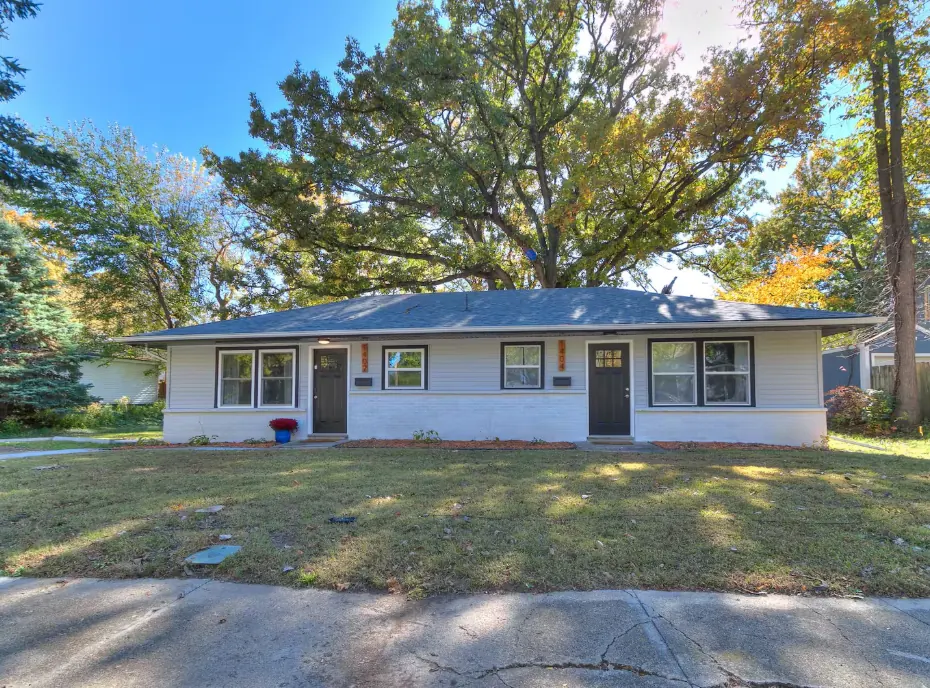
You're standing in a flooring showroom on a Thursday afternoon, holding two carpet samples up to the light, and it hits you: nobody in your family is ever going to walk on this. This isn't your house. It's a house you're putting up on purpose — to rent, not to live in, not to flip in ninety days. Welcome to the "build for rent" decision, where every choice you make gets judged by a stranger with a phone and a five-star scale, and the beige carpet you almost picked would've been shredded by month three. Building or buying a property specifically to rent is a different sport than buying one to love. And the finishes are the easy part.
Here's the short version: "build for rent" — sometimes called build-to-rent or BTR — means you acquire or construct a property with renting as the whole point from day one. Not a starter home you outgrew. Not a fixer you'll unload. A purpose-built rental. And the first real fork in the road is whether you run it as a long-term rental with a lease, or as a furnished short-term or mid-term rental on Airbnb and VRBO.
Still reading? Good — because the part that decides whether this thing pays you or just sits there pretty isn't the granite. Let's get into it.
What "build for rent" actually means
Most houses get bought for a reason that has nothing to do with a spreadsheet. You liked the kitchen. The commute worked. Your kid could walk to school. A build-for-rent property flips that logic on its head — the renter's experience is the entire design brief, and your personal taste gets a back seat.
That shift matters more than it sounds. When you build or buy to rent, you stop asking "would I live here?" and start asking "will this book, will it hold up, and will it cost me a fortune to keep running?" Those are different questions with different answers, and the people who skip them end up with a gorgeous house that eats money.
Everybody designs the rental they'd want to live in. The renter wanted a second bathroom and a driveway that fits two trucks. Build for the guest, not for your Pinterest board — the guest is the one leaving the review.
Long-term lease or furnished short-term? The real fork
Once you've committed to a rental, the biggest decision is how you run it. Both are legitimate. They just ask different things of you and pay you differently.
A long-term rental is the quiet option. One lease, one tenant, twelve months, a mostly predictable check. Less furniture to buy, fewer moving parts, and you're not restocking toilet paper. The trade is that your income has a ceiling and your control is limited — you can't reprice for a busy weekend, because there are no weekends, just months.
A furnished short-term or mid-term rental is the higher-effort, higher-ceiling play. You furnish it fully, list it on Airbnb and VRBO, and price it by the night or the month. Done right, the same four walls can out-earn the leased version. Done casually, it becomes a part-time job you didn't mean to take. If you're weighing whether the nightly model even pencils in your market, we walked through the honest math in is Airbnb profitable.
| Build for long-term | Build for short-term / furnished | |
|---|---|---|
| Income potential | Steadier, with a ceiling | Higher upside, more variable |
| Effort to run | Low, once leased | High without a team |
| Furnishing | Tenant brings their own | You furnish everything |
| Pricing control | Locked for the lease | Adjust nightly for demand |
| Wear & tear | Slower, one household | Faster, many guests |
| Best when | You want calm and hands-off | You want income and have a team |
In Central Iowa, that fork often isn't either-or. Ames swings hard around ISU home games and university calendars, which rewards a furnished nightly model that can charge what a Cyclone Saturday is worth. A quieter Des Moines suburb might do beautifully as a straight long-term lease — or as a mid-term furnished rental for traveling nurses and relocating families. Same state, different math, block by block.
What to design in from the start
Here's where building for rent earns its keep. When renting is the plan from day one, you get to make choices a normal homeowner never thinks about — and those choices quietly decide your headaches for the next decade.
- Durability over drama. Luxury vinyl plank instead of carpet. Semi-gloss paint you can wipe. Quartz that shrugs off a hot pan. Renters and guests are not gentle, and every soft surface is a future invoice.
- Layout that sleeps more, comfortably. An extra bedroom or a smart bunk setup widens who can stay. A second full bathroom ends more arguments — and earns more bookings — than almost anything else you can add.
- Amenities that actually book. Fast Wi-Fi, a real workspace, a driveway, in-unit laundry, and for short-term a hot tub or a fenced yard. These aren't luxuries in a listing — they're search filters guests tick before they ever see your photos.
- Boring infrastructure that saves you. Smart locks, a smart thermostat, extra outlets, good exterior lighting. Cheap to add during a build, expensive and ugly to retrofit later.
- Storage for the operation. A locked owner's closet for linens, supplies, and tools. Every furnished rental needs one, and the ones without it run their turns out of a car trunk.
None of this is glamorous. All of it shows up later as either a smooth month or a running list of small fires. Design for the second bathroom now; thank yourself in year three.
Why operations still make or break the returns
You can build the perfect rental. Right block, right layout, durable everything, amenities that book. And you can still lose the return — because the building only sets the ceiling. What you actually earn happens after the keys turn.
A furnished short-term rental is a tiny hotel. Tiny hotels have a front desk, a pricing department, housekeeping, and a maintenance line — and when you self-manage, you're all four of them, usually from your kitchen table between meetings. Pricing has to move with demand. Guests expect fast replies. Turns have to happen on the clock, not when it's convenient. Miss those and a beautiful house posts mediocre numbers.
Even a long-term rental has an operating layer — tenant screening, lease renewals, the furnace that picks the coldest week to quit. It's quieter, not free. The full weight of the nightly version we broke down in our field guide to managing short-term rentals.
Two identical houses, same street, same finishes. One clears real money; the other limps. The building was never the difference. Someone was running one of them like it mattered.
This is the whole reason we exist. You build it right; a team runs it right. The design sets the potential — pricing, guests, turns, and the 6am "the code won't work" text turn that potential into a deposit. Owners who want the income without becoming the front desk hand that layer off and go back to their actual lives. If passive is the goal, here's the honest take on what "passive" really requires: rental properties for passive income.
The bottom line
Build for rent is a real strategy, not a buzzword — putting up or buying a property with renting as the entire point, then deciding whether it earns as a calm long-term lease or a higher-ceiling furnished short-term rental. Build in the durability, the extra bathroom, and the amenities guests filter for, and you've set a high ceiling. But the ceiling isn't the check.
Design it for the renter, then let people who run rentals for a living hit that ceiling for you. Get a free estimate and we'll help you figure out the right model for your property — you build it right, we run it right.
Sam Brant
Sam has spent 5+ years managing 60+ short-term rentals across Central Iowa on both Airbnb and VRBO — 500+ guest reviews at a 4.85★ average — helping owners and investors grow smarter, not harder. More about Sam →
Build for Rent FAQ
What does build for rent mean?
Build for rent — also called build-to-rent or BTR — means you construct or buy a property with renting as the entire purpose from day one, rather than to live in or flip. The renter's experience becomes the design brief: durability, layout, and amenities that book all get prioritized over your personal taste. The first big decision is whether to run it as a long-term lease or a furnished short-term or mid-term rental.
Is it better to build for a long-term rental or a short-term rental?
Neither wins outright — they suit different owners. A long-term lease is calmer and steadier with a ceiling on income, while a furnished short-term or mid-term rental has a higher upside but demands real operations. In event-driven markets like Ames around ISU games, the furnished nightly model can shine; a quieter suburb may do better as a straight lease or a mid-term furnished rental. The right answer depends on your property, your market, and how hands-on you want to be.
What should you design into a build-for-rent property?
Design for durability and for the renter, not for yourself. Choose hard, wipeable surfaces like luxury vinyl plank and quartz, add a second full bathroom and layout that sleeps more people comfortably, and include the amenities guests actually filter for such as fast Wi-Fi, a workspace, in-unit laundry, and a driveway. Build in smart locks, a smart thermostat, good lighting, and a locked owner's closet while it's cheap to do — retrofitting later is expensive and ugly.
Why do operations matter more than the building?
Because the building only sets the ceiling; what you actually earn happens after the keys turn. A furnished short-term rental runs like a tiny hotel with pricing, guest communication, cleaning turns, and maintenance all needing constant attention, and even a long-term rental has screening, renewals, and repairs. Two identical houses on the same street can post very different results based purely on how well each is run. That operating layer is what turns a well-built property's potential into an actual return.
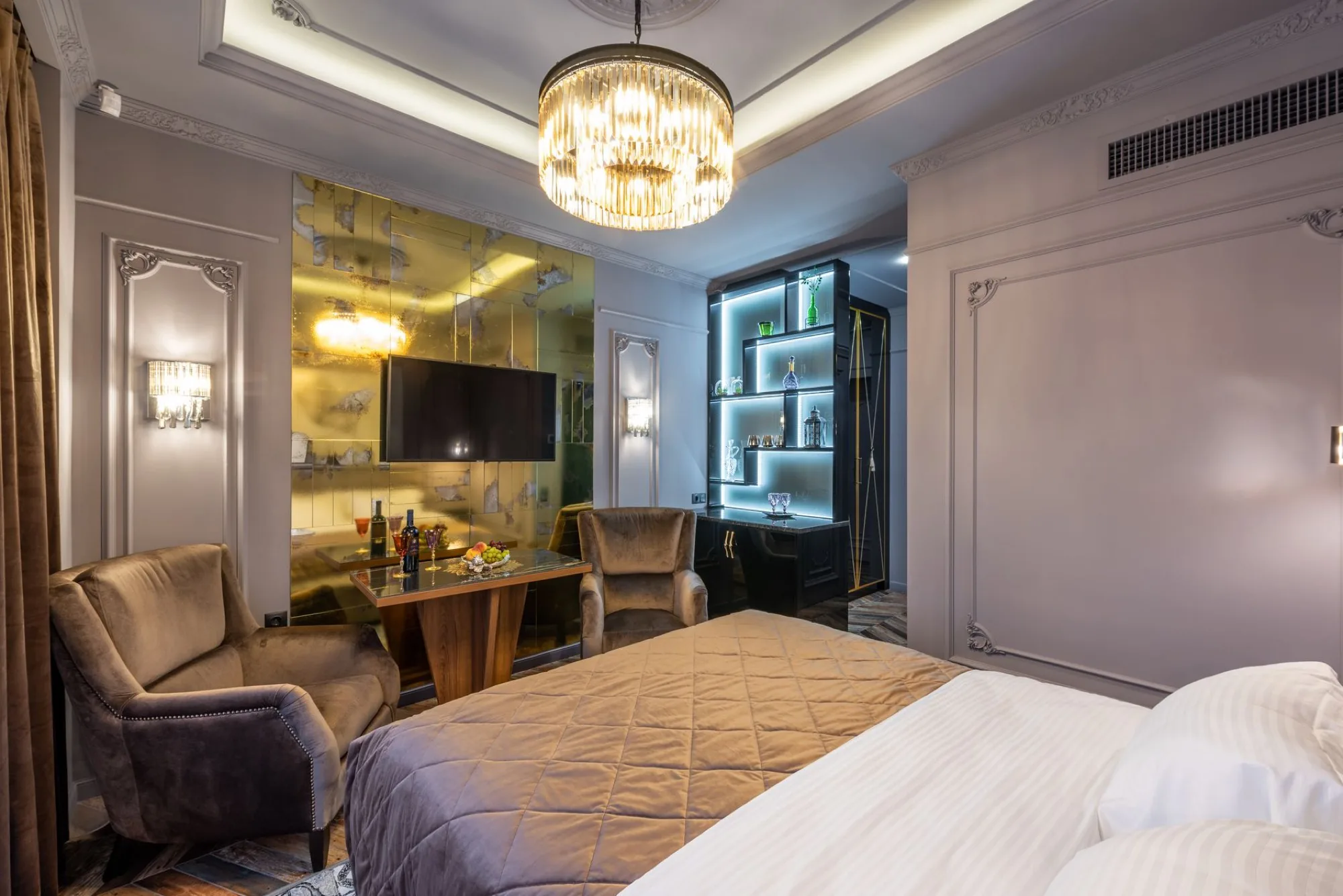
Build it right, then let a team run it
We've spent 5+ years and 700+ reviews at 4.85 stars running short-term rentals across Central Iowa so owners don't have to be the front desk. Tell us about your property and we'll help you pick the right model and run it.
More from the blog
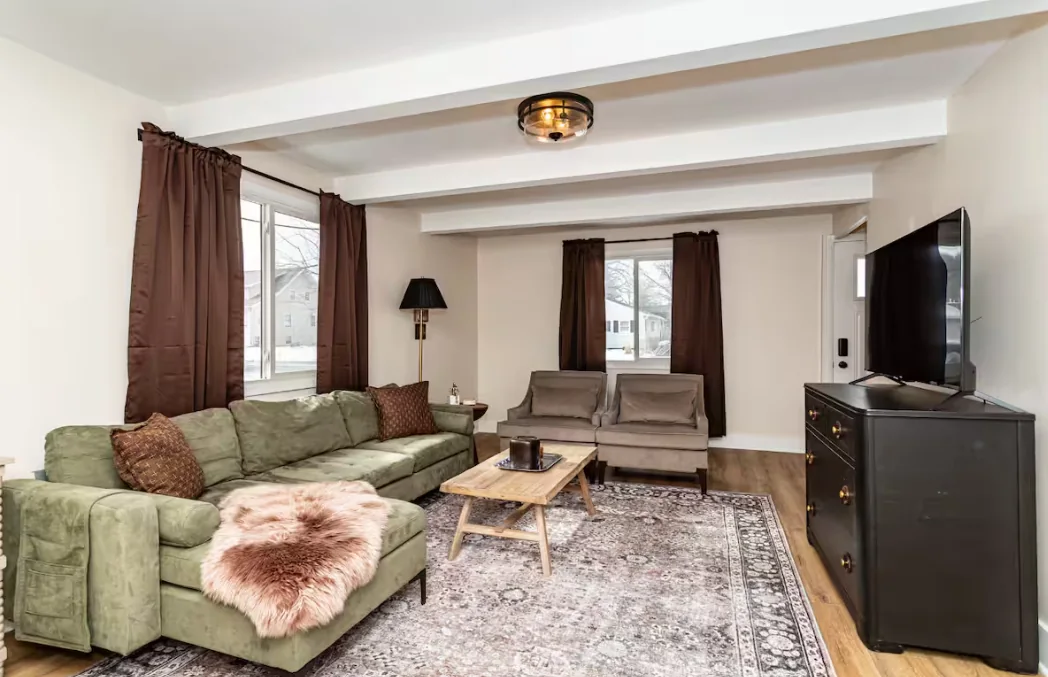
Rental Properties for Passive Income: The Honest Truth
Rental properties for passive income are only passive once someone runs them. Here's the work owners underestimate and how to get to true hands-off.
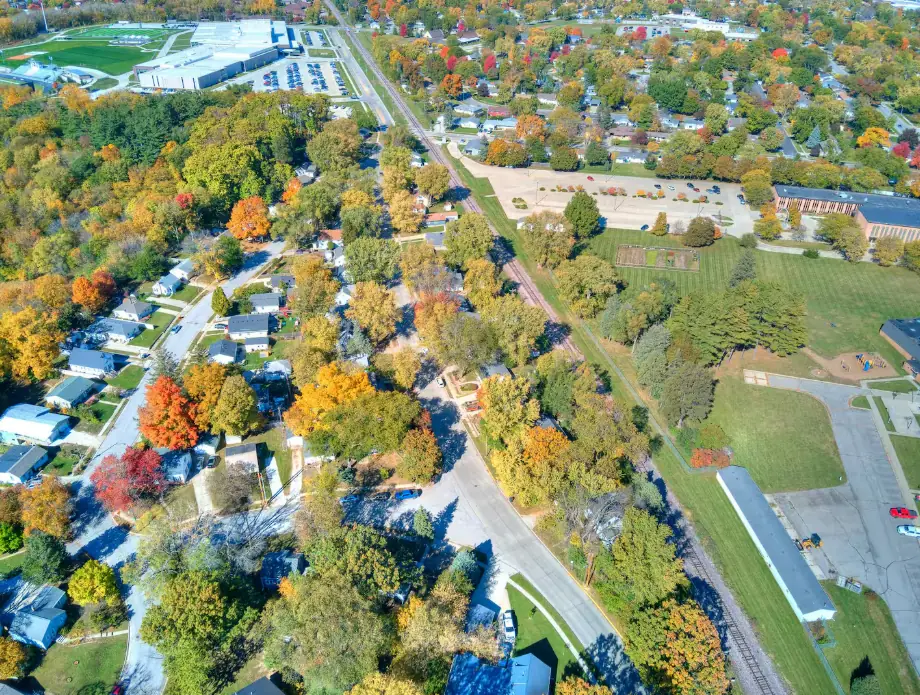
Is Airbnb Profitable? An Operator's Honest Answer
Yes, Airbnb can be profitable — but it's an outcome of how the place is run. The real levers, the forgotten expenses, and when it's not worth it.
Managing short term rentals: an owner's field guide
The five jobs behind every smooth-running rental, and the systems that make it hands-off.