Airbnb vs Long-Term Rental: Which Is Right for Your Property?
Choosing between an Airbnb and a long-term tenant is like choosing between a job that pays in tips and one that pays a salary: one has a higher ceiling and a wobblier floor, the other is steady and slightly boring, and the "right" answer depends entirely on your stomach for variance. Every property owner eventually faces this fork, chase the bigger, lumpier short-term income, or lock in a quiet, predictable long-term check. The airbnb vs long term rental question doesn't have a universal winner. It has a winner for your property, your market, and your appetite for work.
Let's actually compare them on the three axes that matter, money, effort, and risk, instead of the usual "short-term makes more!" hand-waving.
Still reading? Here's the head-to-head.
The money: gross vs. net
In a high-demand location, a short-term rental can out-earn a long-term lease on gross revenue, sometimes substantially. But short-term carries costs a long-term lease doesn't: cleaning, furnishing, utilities, supplies, higher management, and the empty nights between bookings. Long-term trades a lower ceiling for a dependable monthly number and far fewer expenses. Always compare net income, not the headline, and remember that with short-term, the right pricing strategy is what closes the gap.
The effort: business vs. autopilot
This is the gap people underestimate. A long-term tenant is close to autopilot, one lease, minimal turnover, no nightly messaging. A short-term rental is a small hospitality business: guests, cleaning, pricing, restocking, reviews. The income potential is higher, but so is the workload, which is precisely why so many short-term owners hand operations to a manager. Factor the work, or the cost of outsourcing it, into your math.
The risk: vacancy and variance
Different risk shapes. Long-term's risk is concentrated, one bad tenant or one long vacancy stings. Short-term's risk is spread out but bumpier: seasonality, demand swings, and a calendar you have to keep full. Neither is "safer" in the abstract; they just fail in different ways. Match the risk profile to your own tolerance and cash-flow needs.
Which wins for your property
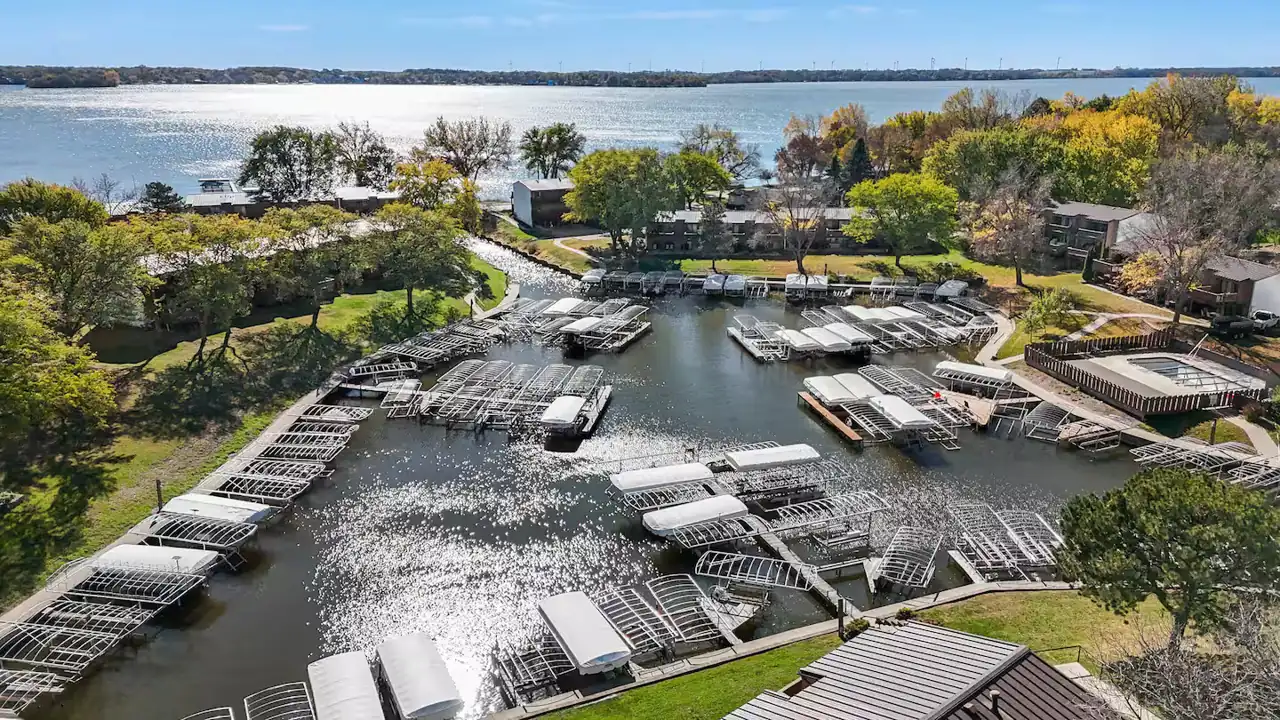
Location decides a lot. Near a campus, a lake, downtown, or an events hub, short-term demand can be strong enough to justify the extra effort. In a quiet residential pocket with thin tourist demand, a long-term tenant often nets more for far less hassle. Be honest about which one you actually own, and remember to check your local short-term rental rules before converting anything.
You own it. We run it. We model short-term, long-term, and mid-term for your specific property and run whichever one actually wins.
The option most people forget: mid-term
It's not strictly either/or. A mid-term strategy, furnished 30-plus day stays, captures much of short-term's flexibility with a fraction of the churn, and it's a great fit for slow seasons or softer markets. We break it down in mid-term rental property management.
The bottom line
Airbnb vs long-term rental isn't a contest with one champion, it's a fit question. Short-term offers a higher ceiling and more work; long-term offers stability and ease; mid-term splits the difference. Model all three against your property, market, and tolerance for hustle, then pick deliberately. For the full operating picture, see managing short term rentals.
Want the numbers run for your property? Get a free estimate and we'll model every option.
Airbnb vs Long-Term Rental FAQ
Is Airbnb more profitable than a long-term rental?
Often on gross revenue, yes, a short-term rental in a good market can out-earn a long-term lease. But short-term income is lumpier and comes with higher costs: cleaning, furnishing, utilities, supplies, and management. The right comparison is net income and effort, not headline revenue, and the winner depends heavily on your location and season.
Which is less work, Airbnb or long-term renting?
Long-term renting is far less work day to day. One tenant on a yearly lease means minimal turnover, no nightly guest messaging, and no cleaning between stays. Short-term rentals generate more income potential but run like a small hospitality business, which is why many short-term owners use a manager.
Can I switch a property from long-term to Airbnb?
Usually yes, but check local short-term rental rules first, since they're set city by city and some areas restrict them. You'll also need to furnish the property and set up operations. Many owners test demand with tools or a manager's analysis before converting a steady long-term rental.
Which is better for my property, short-term or long-term?
It comes down to location, demand, your risk tolerance, and how hands-on you want to be. High-demand spots near attractions, campuses, or events favor short-term; quieter residential areas often favor long-term. A mid-term strategy can split the difference. Modeling all three for your specific property is the only way to know.