
Airbnb Dynamic Pricing 101: Stop Leaving Money on the Table
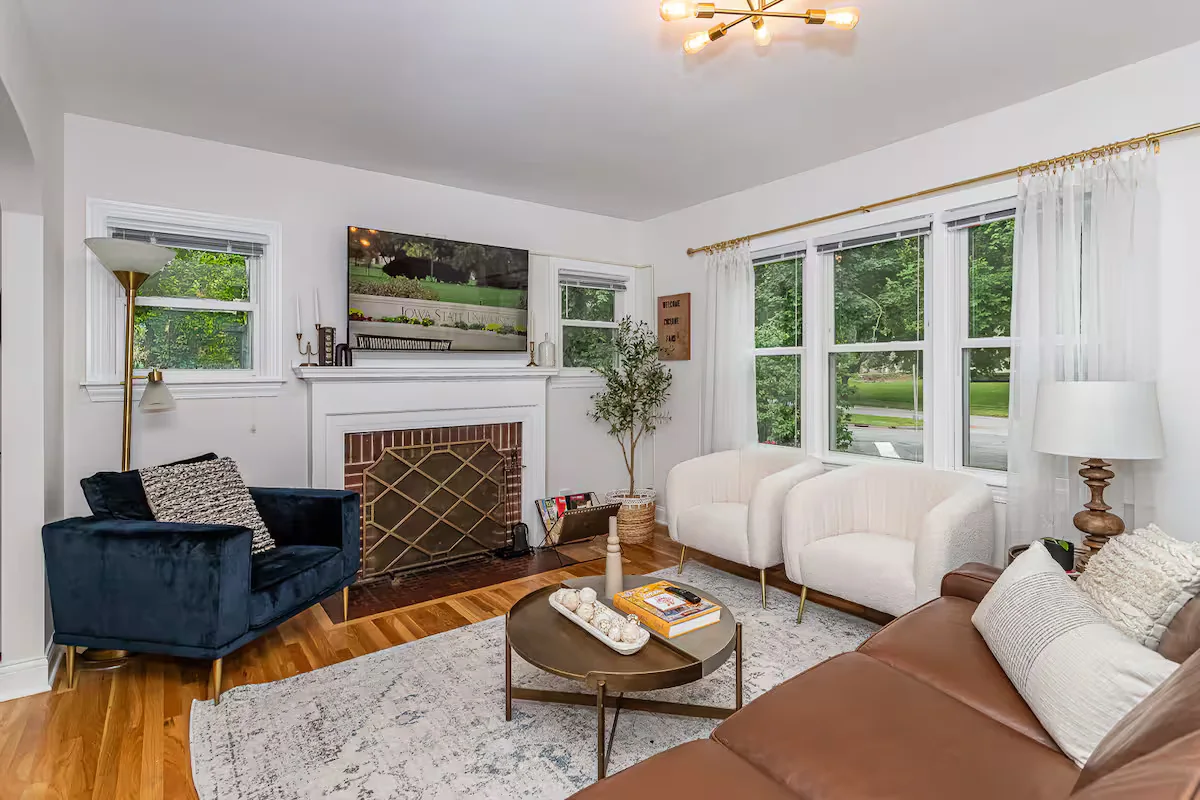
Charging one flat nightly rate all year is like a restaurant printing a single price for both a Tuesday lunch and a Valentine's Day dinner: technically simpler, quietly broke. It's 11pm on a Thursday. Forty thousand people are about to descend on town for an Iowa State home game, every hotel within twenty miles is sold out, and your rental just got booked for the same price you'd charge a random Wednesday in February. You didn't lose money, exactly. You just left a stack of it on the table and went to bed. That's the flat-rate tax, and airbnb dynamic pricing exists to stop paying it.
Pricing is the highest-leverage lever you own, and it's the one most hosts touch the least. Set it once, forget it, and the market happily keeps the difference.
Still reading? Good, because "just lower your price to stay booked" is exactly the advice that keeps owners poor. Here's the real mechanic.
Flat pricing is a slow leak
A single rate is wrong almost every night, it's just wrong in two different directions. On a high-demand weekend it's too low, so you sell out instantly and watch guests who'd have paid double walk right in. On a dead Tuesday it's too high, so the night goes empty and earns you nothing at all. Neither feels like a loss in the moment. Add them up over a year and it's a real number.
The fix isn't "charge more" or "charge less." It's "charge right, per night."
What dynamic pricing actually does
Dynamic pricing reads demand signals, the day of week, the season, how far out the date is, what comparable listings are doing, and nudges your rate up or down so each night is priced closer to what the market will bear. High demand pushes the number up. A soft midweek stretch eases it down to win the booking. It's the same discipline hotels and airlines have run for decades, finally pointed at your spare house.
This is the tactical half of a bigger idea we cover in Airbnb revenue management: a full calendar isn't the goal, the right revenue is.
The tools get you 80% there
Automated pricing tools like PriceLabs, Beyond, and Wheelhouse pull market data and adjust your rates for you. They're genuinely good and you should use one. But they're reading the broad market, not your town's calendar. They don't know that this particular weekend is graduation, or move-in, or a sold-out concert, until it's too late and the bargain-hunters have already locked in your peak nights at off-peak prices.
The other 20% is local, and it's where the money is
Here in Central Iowa the overrides are the whole game. ISU football weekends. Graduation. RAGBRAI rolling through. A big event at the fairgrounds. On those dates a host who manually overrides the tool, two or three times the baseline, earns multiples of the host who let the algorithm price it like a normal Saturday. The tool sets the floor; you set the ceiling.
You own it. We run it. The algorithm handles the quiet nights, we catch the game-day spikes, and you stop waking up to a sold-out weekend you priced like a Wednesday.
DIY or hand it off
You can absolutely run this yourself, plenty of owners do, and a pricing tool plus a glance at the local events calendar each week will beat a flat rate every time. It's just one more recurring job, and it's exactly the kind of thing owners hand off once the property stops being a hobby. We lay out that DIY-versus-hire decision in how to manage an Airbnb and what managers charge.
The bottom line
Airbnb dynamic pricing isn't a luxury feature, it's the difference between getting paid what your nights are worth and subsidizing your guests' good weekends. Use a tool for the baseline, override it for the dates that matter locally, and stop leaving money on the table while you sleep.
Want it handled? Get a free estimate, or dig into the market data yourself with a tool like AirDNA.
Airbnb Dynamic Pricing FAQ
What is Airbnb dynamic pricing?
Airbnb dynamic pricing is the practice of adjusting your nightly rate based on real demand instead of charging one flat price all year. Prices rise for high-demand dates like event weekends and holidays and ease on slow nights, so each night is priced closer to what the market will actually pay.
Does dynamic pricing really increase revenue?
Used well, yes. A flat rate leaves money on the table during peak demand and sits empty when it's priced too high for a slow night. Dynamic pricing captures more on the nights people are desperate to book and keeps you competitive on the nights they aren't. The biggest gains usually come from local overrides the tools don't see coming.
What are the best Airbnb dynamic pricing tools?
Popular tools like PriceLabs, Beyond, and Wheelhouse pull market data and adjust your rates automatically. They get you most of the way there. What they can't fully see is local context, so the smart move is to use a tool for the baseline and layer your own knowledge of local events on top.
Can I just set dynamic pricing and forget it?
Not entirely. Automated tools handle the day-to-day adjustments well, but they don't know that an ISU home game, a graduation weekend, or a big local event just spiked demand. The owners who win check the calendar against the local one and override the tool when it matters.